Pakistan Demands UN Security Council Veto Reform
Pakistan's UN envoy called for Security Council reform to curb veto abuse and expand regional representation, warning that adding new permanent members would deepen global inequality.
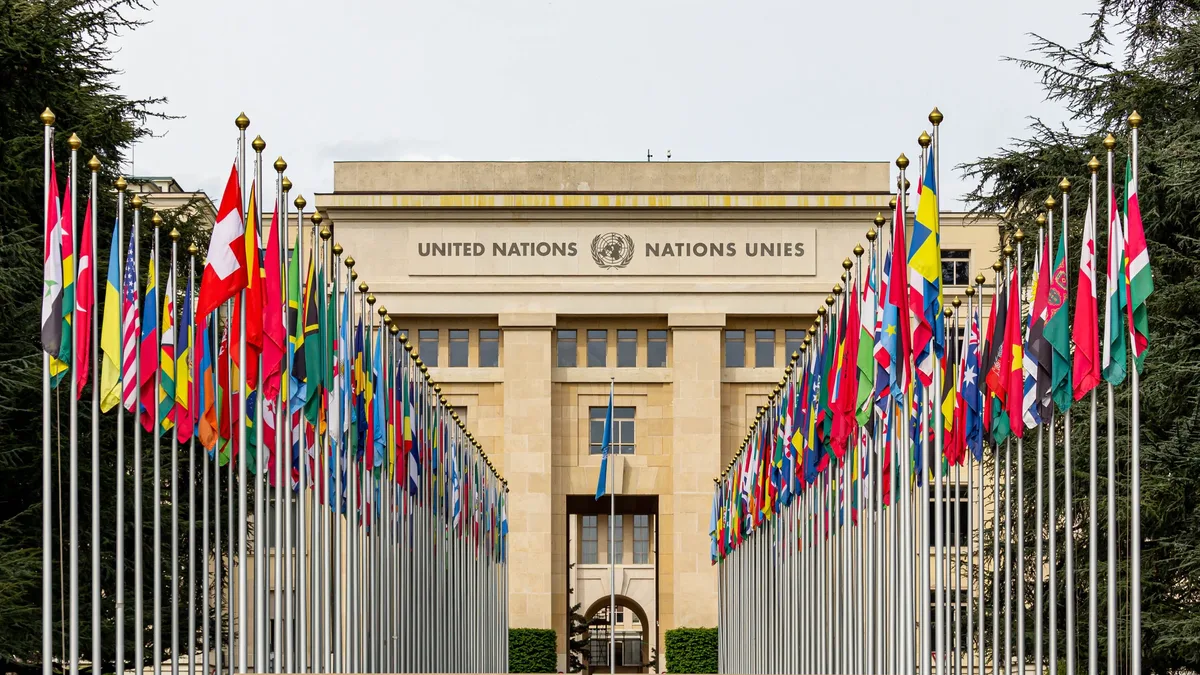
Pakistan's UN representative has demanded comprehensive reform of the Security Council to restrict veto power and expand membership. Counsellor Gul Qaiser Sarwani of the Pakistan Mission to the UN presented the proposals at a General Assembly debate, arguing the current structure perpetuates inequality and hinders global peace efforts.
Sarwani warned that expanding the Council's permanent membership and extending veto privileges would only deepen existing disparities. He stated such a move risked paralyzing the Council. Instead, Pakistan advocates for the abolition of the veto or, at minimum, severe restrictions on its use. Sarwani stressed the veto must not be expanded to new members and reaffirmed support for UN General Assembly resolution 76/262, which calls for greater accountability when the veto is used.
The envoy argued that the misuse of veto power by the five permanent members-China, France, Russia, the United Kingdom, and the United States-undermines the Council's effectiveness and weakens the UN's overall credibility. He emphasized that any measures to restrain the veto must remain consistent with the UN Charter. Sarwani called for a balanced approach combining veto restrictions with enhanced representation for elected members and stronger roles for the General Assembly, which he said holds unique legitimacy due to its universal membership.
Veto Power Criticized as Undermining Multilateralism
Pakistan's critique aligns with broader UN reports highlighting systemic failures. A recent UN report noted that the veto power of the five permanent members contributes to the inability of multilateral mechanisms to prevent state-based conflicts. Sarwani linked this directly to current global challenges, stating that strategic rivalries among the Council’s permanent members had repeatedly impeded collective action on international peace and security.
He argued this dynamic perpetuates international inequalities and called for addressing the veto alongside other reform clusters under the ongoing Intergovernmental Negotiations framework. The goal is a more democratic and equitable Security Council.
Regional Representation Concerns Drive Reform Push
The push for reform is heavily driven by concerns over regional underrepresentation. The UN Secretary-General has called for Security Council reforms including expanded membership for Africa, Latin America and the Caribbean, and Asia-Pacific regions. This sentiment is echoed in analyses like the 'World Social Report 2026', which noted the underrepresentation of certain regions in Council decisions despite their significant contributions to global peacemaking.
Sarwani explicitly opposed the creation of any new permanent seats, which is a model supported by some other nations seeking a place at the top table. Pakistan favors a model based on longer-term, renewable seats for elected members to better reflect contemporary geopolitical realities. The envoy concluded by reaffirming Pakistan's commitment to a reform process that corrects historical imbalances. He summarized the principle as "Reform for all. Privilege for None!"