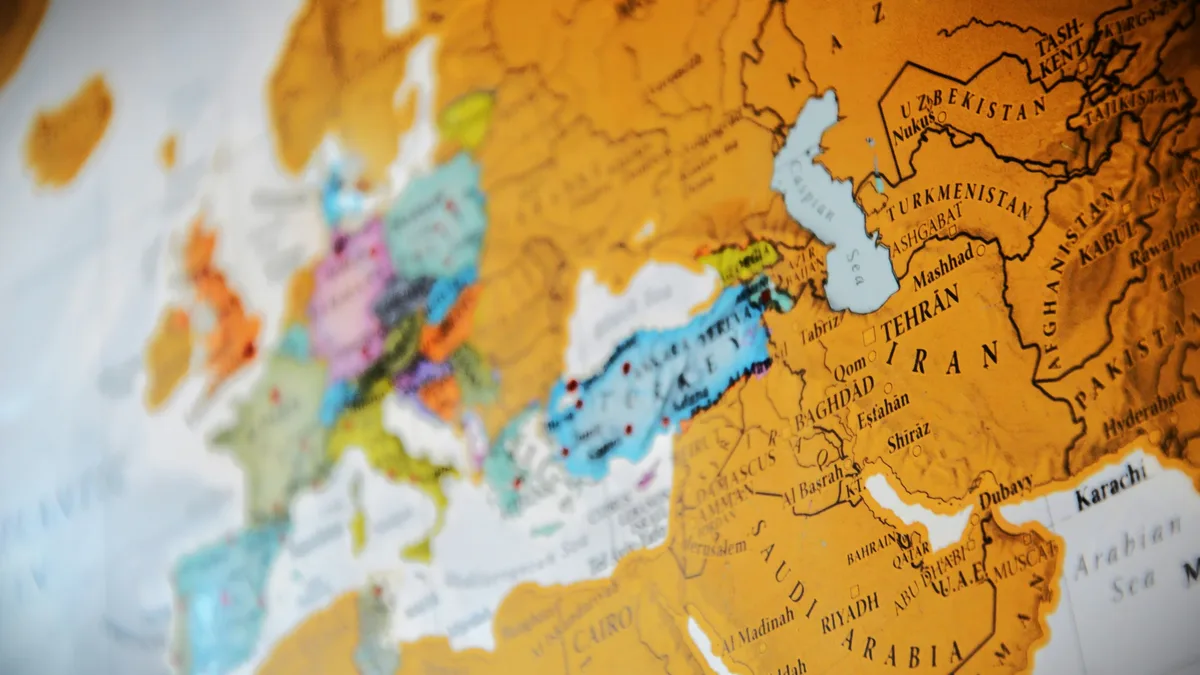
Qatar-Pakistan Talks Seek Hormuz Reopening After Al Mayeda Strike
Qatar and Pakistan are mediating talks with Iran to reopen the Strait of Hormuz, a critical effort undermined by an attack on a cleared Qatari LNG carrier, damaging Pakistan's credibility and threatening regional energy security.
Three days of talks in Doha between Iranian negotiators and Qatari mediators, with Pakistan as a partner, seek to restart the reopening of the Strait of Hormuz. The negotiations follow a strike on the Qatari LNG carrier Al Mayeda on October 30, which damaged the credibility of Pakistan's mediation and raised urgent concerns over security in the vital energy corridor. The attack occurred amid a record number of strikes in October and ongoing debate over safe shipping passage.
Timeline shortened amid security concerns
Iran's Foreign Minister, Abbas Araghchi, announced a significantly compressed schedule for the planned reopening. He stated that "the plan’s timeline for reopening the Strait of Hormuz had been shortened from seven days to two." This reduction follows recent security incidents, including the attack on the Al Mayeda.
Conditions for safe passage remain contested
Iran has set specific conditions for reopening the strait. These include sanctions relief, a reduced U.S. military presence in the region, and formal recognition of new shipping routes it has designated jointly with Oman. However, the strike on the Al Mayeda demonstrated that safe transit is not guaranteed even when a vessel has received clearance. Mediators can lower the costs of negotiation but cannot ensure compliance after any deal is reached.
Pakistan's mediation credibility at risk
Pakistan has relied on diplomatic engagement with Iran to secure safe passage for Qatari LNG shipments, which are critical to its energy supply. The Al Mayeda, carrying gas for Pakistan, had its safe passage negotiated by Pakistan before being struck near the strait. This incident directly damaged the standing on which Pakistan’s mediation rests, despite several earlier cargoes cleared by Pakistan having crossed safely. Middle power mediation, including by Pakistan, has gained prominence this year as great power crises multiply.
Energy security implications for Pakistan
The security of Hormuz is a direct threat to Pakistan's energy stability. Imported LNG, nearly all of which traverses the strait, met about a fifth of the country’s gas demand last year. Current volumes are a fraction of normal levels.
| Metric | Figure |
|---|---|
| Qatari LNG cargoes received by Pakistan in October | 2 |
| Qatari LNG cargoes received a year earlier | 8 |
| October LNG shipments through Hormuz vs. pre-war volumes | ~30% |
If the Al Mayeda's cargo does not arrive, Pakistan may be forced to seek replacement LNG on the spot market, where prices have soared to more than three times their pre-war levels. The outcome of the Doha talks will determine whether safe passage resumes before the peak winter shipping seasons.