US Consortium Proposes $4.4bn LNG Project in Pakistan
A US-backed consortium is advancing a $4.4 billion LNG import and pipeline project in Pakistan, structured as a merchant platform without government purchase guarantees to enhance energy security.
A US-backed consortium is proposing a $4.4 billion LNG infrastructure project in Pakistan. The two-phase plan aims to establish domestic storage and pipeline capacity to reduce reliance on volatile import chains. The project has been approved for consideration under the US Trade and Development Agency’s project preparation programme. Potential financing may involve the US International Development Finance Corporation and the Export-Import Bank of the United States for export credit guarantees.
The consortium includes US-based Global Vision Energy Partners (GVEP), Khanjee Holdings, Luxembourg-based General Mediterranean Holding, and other international strategic investors. The venture is structured as a merchant infrastructure platform with no single government-backed offtake arrangement, a significant shift from Pakistan's conventional project model. Government facilitation has been conveyed through the Ministry of Maritime Affairs and the Petroleum Division. A preliminary license application has been submitted to Pakistan's regulator, the Oil and Gas Regulatory Authority (Ogra).
Financing Structure
The project will use a 70:30 debt-to-equity ratio. US financial institutions are expected to provide export credit guarantees for the debt portion. The special purpose vehicle's equity will be split among the consortium members and local investors.
| Entity | Equity Stake |
|---|---|
| Global Vision Energy Partners (GVEP) | 26% |
| General Mediterranean Holding | 24% |
| Khanjee Holdings | 20% |
| Strategic Co-investors | 20% |
| Pakistani Local Investors | up to 10% |
Local investors are being engaged for equity participation, with indicative investments starting at $50 million per investor. No binding commitments currently exist. The final project cost will be determined after engineering, procurement, and construction contracts are executed.
Technical Specifications
The first phase, valued at $1.7 billion, involves building an LNG storage terminal at Port Qasim. The site was chosen for its existing infrastructure and location outside the strategically vulnerable Strait of Hormuz. The consortium has secured site approval from the Port Qasim Authority.
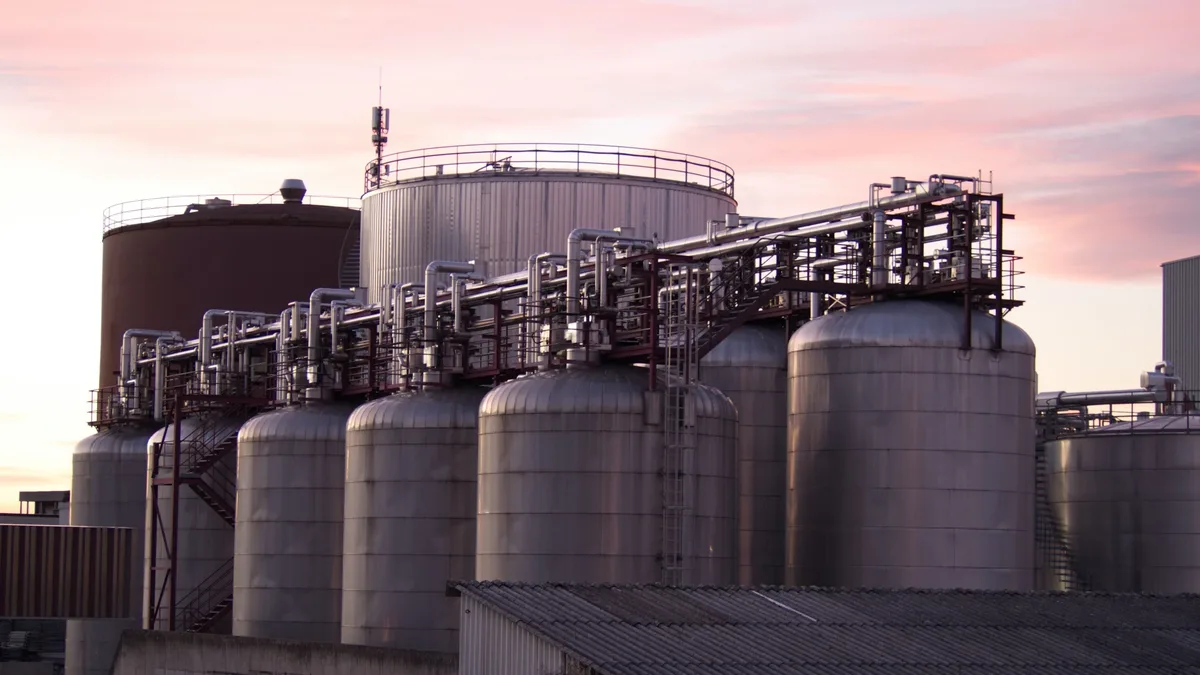
This phase includes four storage tanks, each with a 140,000 cubic metre capacity. The terminal will have a static storage capacity of 560,000 cubic metres and an annual throughput of approximately 35 billion cubic feet. The proposed tariffs for this phase have been submitted to Ogra for approval.
| Service | Proposed Tariff (First 10 Years) | Proposed Tariff (After 10 Years) |
|---|---|---|
| Terminal & Storage | $4.93 per mmBtu | $2.20 per mmBtu |
| Gas Transmission | $1.91 per mmBtu | $0.92 per mmBtu |
The second phase proposes a 1,100-kilometer pipeline with a 42-48 inch diameter. This pipeline is expected to supply 1.2 billion cubic feet of gas per day to the domestic market. The project will serve Pakistan’s domestic gas market alongside US and Middle Eastern LNG suppliers.
Market Positioning
The merchant model allows the platform to offer storage, regasification, transmission, tolling, and transshipment services to multiple customers. This approach contrasts with Pakistan's previous projects that relied on government purchase commitments. The development follows the abandonment of a similar project by Energas, which faced policy, regulatory, and fiscal challenges.
Pakistan currently has no LNG storage facilities, making its domestic re-gasified LNG entirely dependent on immediate import supply chains. This project aims to create a strategic buffer. The project company has been registered to own and manage the assets. All remaining costs will be finalized after construction agreements are executed.