South Korea expands anti-piracy mission to Strait of Hormuz waters
South Korea's Cabinet has approved expanding the Cheonghae Unit's operational area to waters south of Oman, near the Strait of Hormuz.
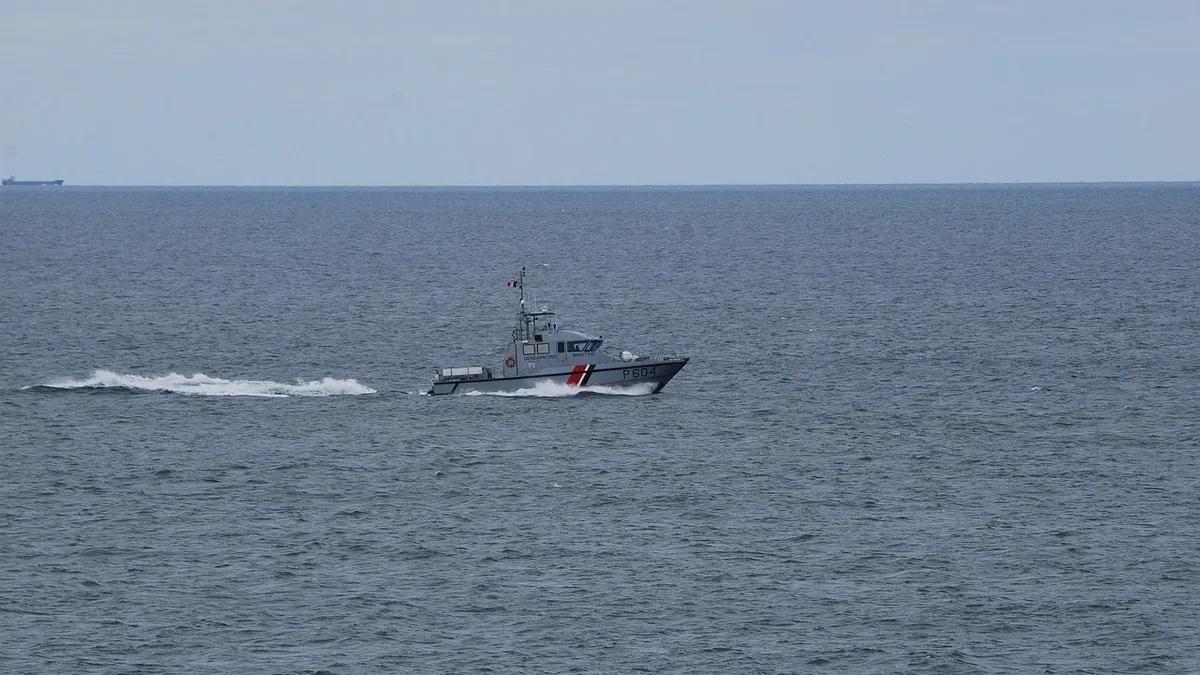
The South Korean Cabinet approved expanding the Cheonghae Unit's area of operations to waters near the Strait of Hormuz on Tuesday. President Lee Jae Myung's Cabinet approved the expansion, which moves the anti-piracy mission about 650 kilometers closer to the strategic waterway.
Mission scope and new assets
The revised motion adds new assets to the existing destroyer and helicopter capabilities of the Cheonghae Unit. These include a P-8A Poseidon maritime patrol aircraft, an explosive ordnance disposal team, and unmanned minesweeping equipment. The operational expansion is framed around adding patrol aircraft and mine-clearing capabilities to the unit.
Command structure and tactical control
Command authority for the unit remains with the chairman of the Joint Chiefs of Staff. The motion defines a provision for limited tactical control during multinational missions. During operations led by the Combined Maritime Forces or the European Union, an on-scene commander would exercise tactical control in a very restricted manner. This provision has appeared in previous motions extending the unit's mission since its 2009 deployment. A South Korean Navy captain has commanded Combined Task Force 151, the anti-piracy task force under the Combined Maritime Forces, since August.
Chung Binna, a government official, explained that a local commander's tactical control "is a very restricted authority that can be exercised temporarily in specific regions."
Political and security context
Seoul insists the expansion is strictly intended to protect Korean commercial ships and citizens from piracy. The government has stressed it is not a move to engage in war or battles, dismissing claims that it amounts to a de facto military contribution to a U.S. war with Iran. Iran's foreign ministry has urged Korea to refrain from getting involved in the war and from sending military forces to the area. Civic groups and progressive activists have protested the decision. They call it a 'disguised participation in war' and a 'ploy to send troops to the Strait of Hormuz.'
Parliamentary process and timeline
The motion now moves to the National Assembly for approval. It will undergo review by the parliamentary National Defense Committee before a plenary vote. Passage requires a majority of members to be present and a majority of those present to vote in favor. If passed, the deployment period for the Cheonghae Unit will be extended until December 31 of next year.