Delhi traders urge INDIA bloc to postpone November 1 rally
Delhi's Chamber of Trade and Industry has appealed to Rahul Gandhi to postpone the INDIA bloc's November 1 protest rally, warning of a potential ₹10,000 crore business loss during the critical Diwali shopping season.
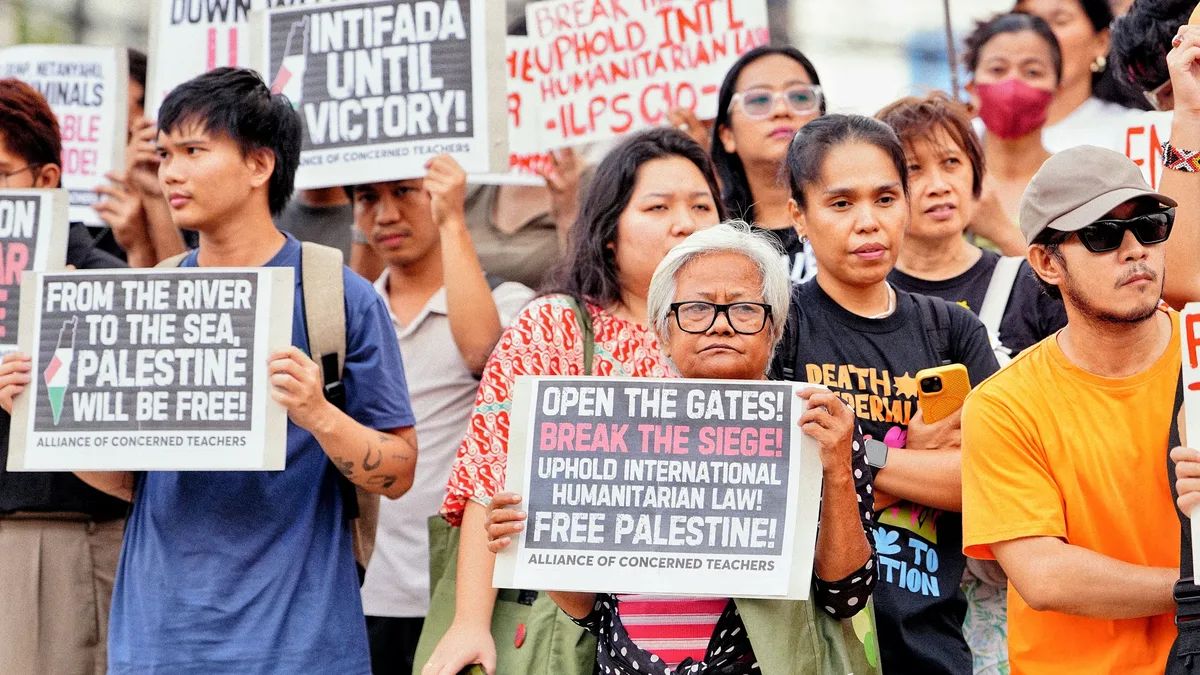
Delhi traders have urged Rahul Gandhi to postpone the INDIA bloc's anti-SIR rally scheduled for November 1 at Ramlila Maidan. The Chamber of Trade and Industry warns the protest could trigger business losses of ₹10,000 crore during the peak Dhanteras-Diwali festival period, when the capital generates approximately ₹25,000 crore in commerce.
The INDIA bloc is planning a 'Delhi Chalo March' at Ramlila Ground next month. The rally targets Chief Election Commissioner Gyanesh Kumar and the special intensive revision of electoral rolls. Markets typically see a surge in activity about a week before the festivals, with Dhanteras on November 6, Diwali on November 8, and Bhai Dooj on November 10. This makes the rally's timing a severe concern for the business community.
Traders quantify economic impact
Traders reported losses of up to ₹3,000 crore in October due to frequent rallies, marches, and road closures in central areas like Connaught Place and India Gate. CTI chairman Brijesh Goyal cited a potential business loss of ₹10,000 crore during the peak festive season if the protest proceeds. He stated the rally could hit wholesale and retail markets around Ramlila Maidan during peak Dhanteras and Diwali footfall. Around twenty wholesale and retail markets lie within a five-kilometre radius of the protest site.
CTI appeals for festival period postponement
The Chamber of Trade and Industry formally requested Rahul Gandhi, the Leader of the Opposition in the Lok Sabha, to postpone the INDIA bloc's protest rally. The CTI letter urged all political parties to refrain from organizing protests during the festive period from Dhanteras through Bhai Dooj. The traders' body acknowledged the constitutional right to peaceful protest but urged parties to avoid large rallies in key commercial areas until the festival season ends.
New Delhi Traders’ Association president Atul Bhargava emphasized the right to livelihood alongside the right to protest. He noted that shops were forced to shut or saw dramatically low footfall during a previous Friday protest.
Legal and operational concerns mount
The Supreme Court heard a plea on October 16 warning it would invoke constitutional tort jurisdiction to award compensation if protests disproportionately impede traders and daily-wage earners. Chief Justice Surya Kant and Justice Joymalya Bagchi hoped better sense would prevail and that competing interests would be balanced.
The CTI said traffic diversions, barricading, and possible curbs on public transport during the rally could severely disrupt operations. Goyal raised specific concern for traders and buyers traveling through Old Delhi and New Delhi railway stations, citing anticipated road restrictions and heavy crowds.
Context of electoral dispute
The opposition rally aims to step up pressure on the government over allegations of 'vote chori'. It demands the resignation of Chief Election Commissioner Gyanesh Kumar over alleged irregularities in the Special Intensive Revision of electoral rolls. The SIR is the Election Commission's intensive verification process to remove dead, shifted, and duplicate voters while ensuring no eligible voter is left out. After a recent meeting, the bloc vowed to continue resisting and to take the 'vote chori' fight to its logical conclusion.
The INDIA bloc must now decide whether to proceed with the November 1 rally despite the CTI's formal appeal and the Supreme Court's warning.