India official proposes tax shift for assistive tech use
A senior official has proposed recognizing mainstream products used for accessibility for tax breaks, moving away from a rigid list of approved devices.
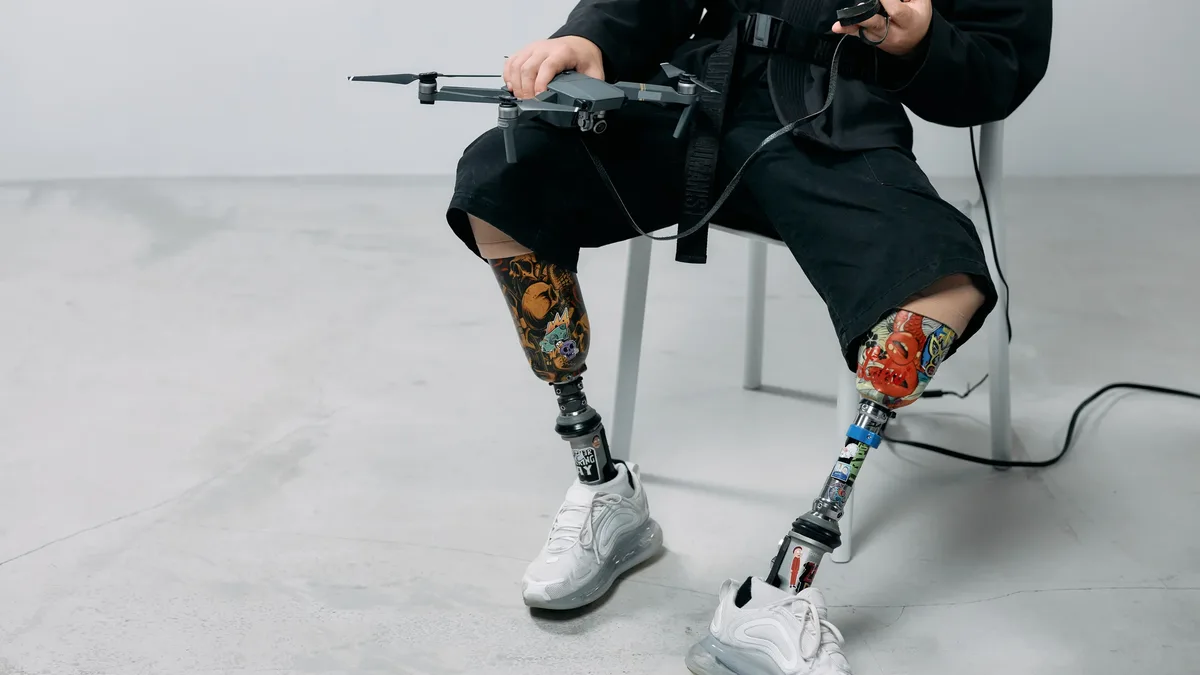
A senior government official has proposed a shift in how India recognizes assistive technology, focusing on how a product is used rather than what it was built to be. This change could make mainstream devices like smartwatches and smart glasses cheaper for people with disabilities by granting them the same tax concessions as dedicated medical equipment.
Smt. Manmeet Nanda, Additional Secretary at the Department of Empowerment of Persons with Disabilities (DePwD), floated the idea at a report launch on September 23. Currently, devices on the government's official assistive list attract a concessional 5% goods and services tax (GST). Ordinary consumer electronics are taxed at 18%. The official's suggestion aims to bridge this gap for products that serve an assistive function.
The report's findings
The proposal followed the launch of a report titled 'Incidental Accessibility: How Mainstream Technology Is Expanding Accessibility in India' by The Quantum Hub (TQH). The report, funded by Meta, examined five people using consumer technology for accessibility. These cases included AI-enabled smart glasses, smart speakers, dictation software, a smartwatch's haptic alerts, and noise-cancelling headphones.
The report identified a 'reverse curb-cut effect.' This describes mainstream products acquiring an assistive function, unlike the traditional 'curb-cut effect' where disability-driven design crosses into general use. India's fiscal framework recognizes the first direction but not the second. Several users chose consumer products over dedicated devices because they were cheaper and did not visibly announce a disability.
How recognition currently works
Two mechanisms determine if a device gets tax breaks or purchase support, and both rely on predefined lists.
A device qualifies only if it appears on one of these lists. The new Divyang Sahara Yojana, announced in the 2026-27 Union Budget to fund manufacturing and retail centres, also works this way. The classification turns on what the device is, not what it enables for a particular user.
The proposal and its challenges
The DePwD official suggested aligning fiscal policy with the principle of 'reasonable accommodation' found in Indian disability law. She cited a Delhi High Court ruling from October 2025, which applied this principle in a recruitment case. On that logic, software helping someone with ADHD write faster could be a reasonable accommodation for that person.
Her warning was clear. Classifying mainstream products as assistive devices would slow them down with standards and certification requirements. That would reproduce the existing barriers that make dedicated assistive technology expensive. The report's case is that frameworks should recognize assistive use without requiring formal reclassification.
Neither the official nor the report specifies how a tax authority would decide a purchase is for assistive use. Doing this without building a new certification bureaucracy is the unanswered question. The report also shows an asymmetry. It seeks recognition for tax and procurement benefits without formal classification. On standards, it only asks that accessibility be encouraged earlier in design. This combination could give manufacturers benefits without the usual obligations.
The slow pace on standards
Legal mandates for accessibility standards are moving slowly. Sections 40 and 42(iii) of the Rights of Persons with Disabilities Act, 2016, require standards for ICT and universal design for everyday electronics. The Bureau of Indian Standards released IS 17802 in 2021 with testable criteria.
In November 2024, the Supreme Court held that the existing rules failed this mandate. The court directed the government to frame mandatory rules within three months. Almost two years later, draft amendment rules notified for comment in July 2026 remain a draft. They are not in force. The official said the department was working towards notifying the rules around January 2027.
She also said accessibility should be written into government procurement through the General Financial Rules. Meanwhile, a product can clear all standard market entry gates for safety and security with its accessibility completely untested. MediaNama has contacted DePwD, the Ministry of Finance, and TQH for clarification on the implementation questions and is awaiting responses.