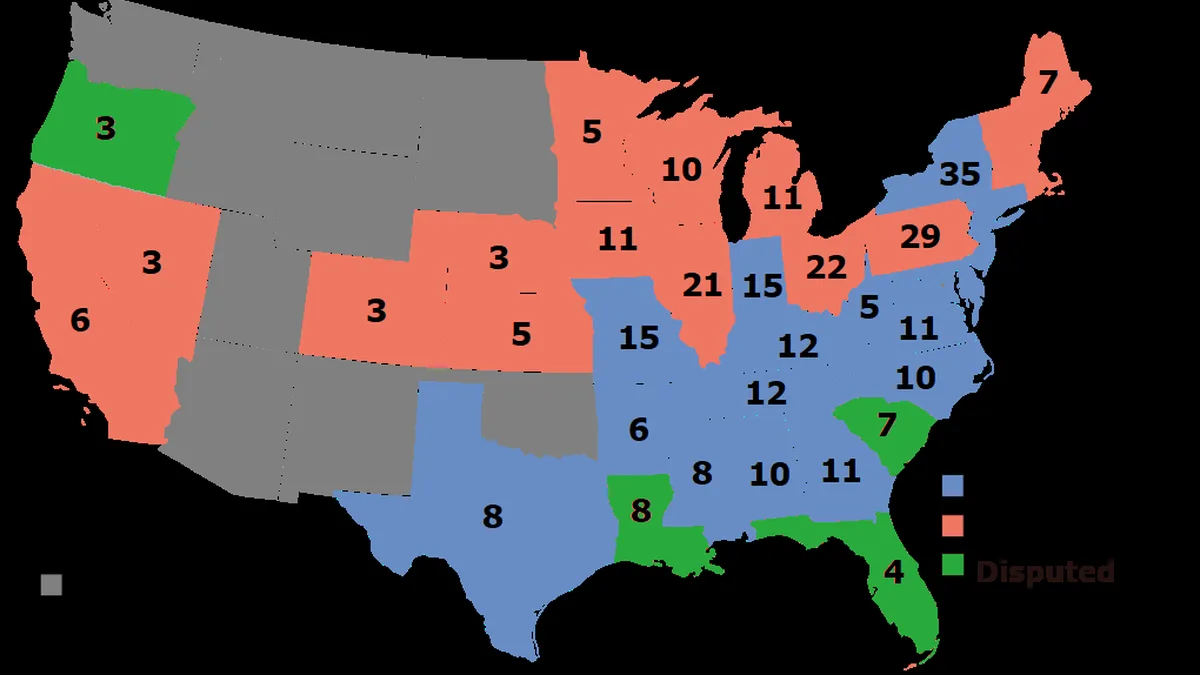
Election Disputes
| Election type | Recall election |
|---|---|
| Governing law | State election code |
| Grounds for filing | Specific procedural or eligibility violations |
| Filing deadline | Set period after election certification |
| Jurisdiction | County clerk or state election board |
| Outcome types | Recount, certification amendment, new election |
| Standard of proof | Preponderance of evidence or clear and convincing evidence |
Overview
Election disputes are formal legal challenges to the declared outcome or the procedural conduct of an electoral contest. These disputes are a standard feature of electoral systems worldwide, providing a structured, judicial mechanism to address allegations of irregularities, fraud, or violations of electoral law. They serve as a critical component for ensuring electoral integrity and public confidence in democratic processes. The resolution of such disputes typically falls to specialized electoral tribunals, supreme courts, or designated judicial bodies vested with specific authority. The grounds for a dispute can range from technical administrative errors to substantive claims of outcome-determinative malfeasance. Their existence acknowledges that elections are complex administrative undertakings where errors or misconduct can occur, necessitating a clear path for redress.
History
The formal legal concept of election disputes, as distinct from political contestation, has its origins in the parliamentary traditions of the United Kingdom in the 18th century. Initially, disputes over parliamentary election results were settled by the House of Commons itself, a process often fraught with partisan bias. The development of independent judicial bodies to adjudicate these matters gained significant momentum in the late 19th and early 20th centuries across many democracies seeking to depoliticize electoral outcomes. The establishment of dedicated electoral courts or commissions, such as Germany's Federal Constitutional Court with its electoral scrutiny panel, became more common post-World War II. In many Commonwealth countries, the evolution followed a similar trajectory from legislative self-policing to independent judicial review. The codification of detailed electoral dispute resolution procedures is now a standard element of modern electoral law frameworks internationally.
How it works today
Today, the process for election disputes is typically codified in a nation's electoral code or constitution, outlining strict timelines and procedural requirements. A disputing party, which may be a candidate, a political party, or in some jurisdictions, a voter, must file a petition with the designated judicial body within a legally mandated period after results are certified. The petition must specify the legal grounds for the challenge, such as ineligible voters, ballot counting errors, coercion, or campaign finance violations, and provide evidence supporting the claims. The adjudicating body then examines the evidence, which can involve recounts, witness testimony, and expert analysis, to determine if the alleged irregularities occurred and if they were substantial enough to change the election's outcome. Its final ruling can uphold the result, order a recount, annul the election in a specific district, or, in rare cases, order a new election entirely. The decision of this specialized court is usually final and binding, with very limited scope for further appeal.
Why it matters
Election disputes matter because they provide a peaceful, legal alternative to political violence or instability following a contested election. By channeling grievances into a court of law, they help legitimize the electoral process even for those who disagree with the outcome, reinforcing the rule of law. A robust dispute resolution mechanism acts as a deterrent against electoral malpractice, as officials and candidates know their actions are subject to judicial review. The transparency of the process, when conducted credibly, can increase public trust in electoral institutions by demonstrating that allegations are taken seriously and examined objectively. For the losing side, it offers a formal avenue to be heard, which can help them and their supporters accept defeat. Conversely, a weak or politically compromised dispute system can erode democratic foundations, leading to prolonged crises and delegitimizing governments.
Common misconceptions
A common misconception is that an election dispute automatically implies widespread fraud or a "stolen" election; many disputes are based on minor procedural errors that are unlikely to affect the overall result. Another is that the mere filing of a dispute casts doubt on the election's legitimacy, whereas it is a normal, even healthy, part of a functioning electoral system. People often misunderstand the standard of proof required, assuming allegations alone are sufficient, when courts typically require clear and convincing evidence that irregularities materially altered the outcome. There is also a frequent belief that election disputes are always lengthy, drawn-out affairs, while many jurisdictions mandate expedited processes to ensure timely resolution and political stability. Some assume the existence of a dispute mechanism is a sign of a flawed system, rather than an indicator of a system mature enough to correct its own flaws. Finally, many conflate the political rhetoric surrounding a dispute with the legal arguments and evidence actually presented and evaluated in court.
Latest Election Disputes news
Latest reporting
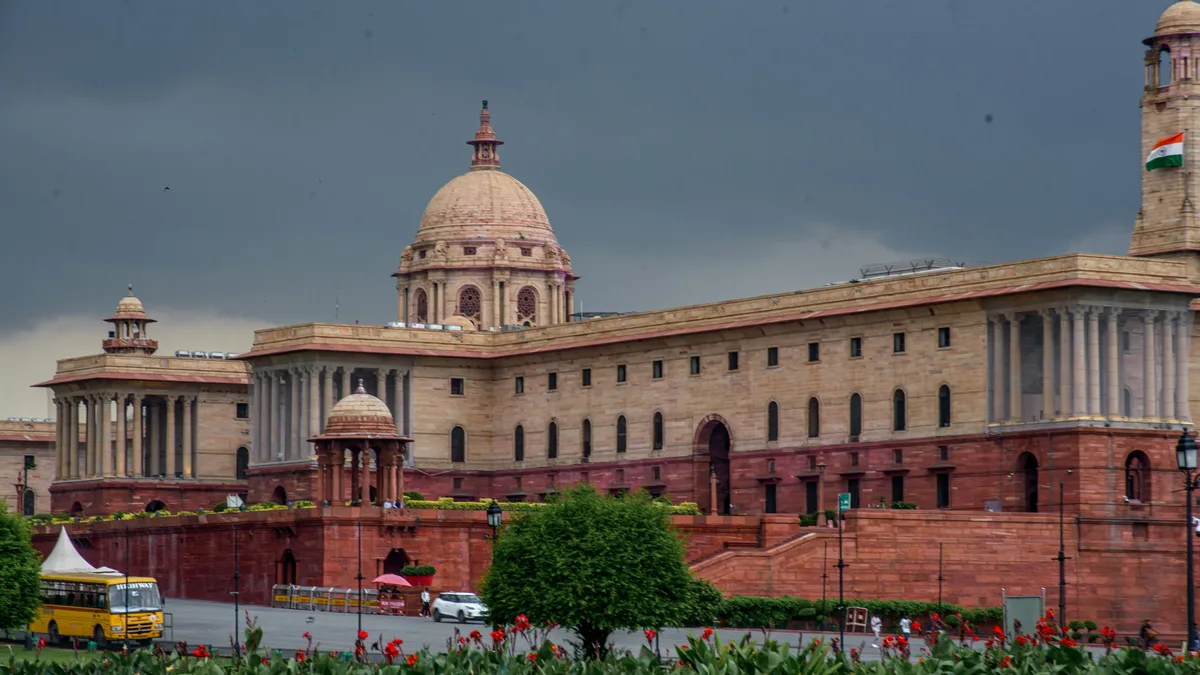
Election Commission of India rejects Opposition MPs meeting
The Election Commission of India has declined a request from over 300 Opposition MPs to meet at the Parliament House Annexe, citing a violation of...
DMK MP P Wilson Defends Judicial Consultation on One Nation One Election
DMK Rajya Sabha MP P. Wilson has defended a proposed informal consultation with the Chief Justice of India and Supreme Court judges on the One Nation...
Trump falsely claims India held presidential election
Donald Trump incorrectly asserted that 125 million people voted in an Indian presidential election on October 4, 2026, a date that matches Brazil's...
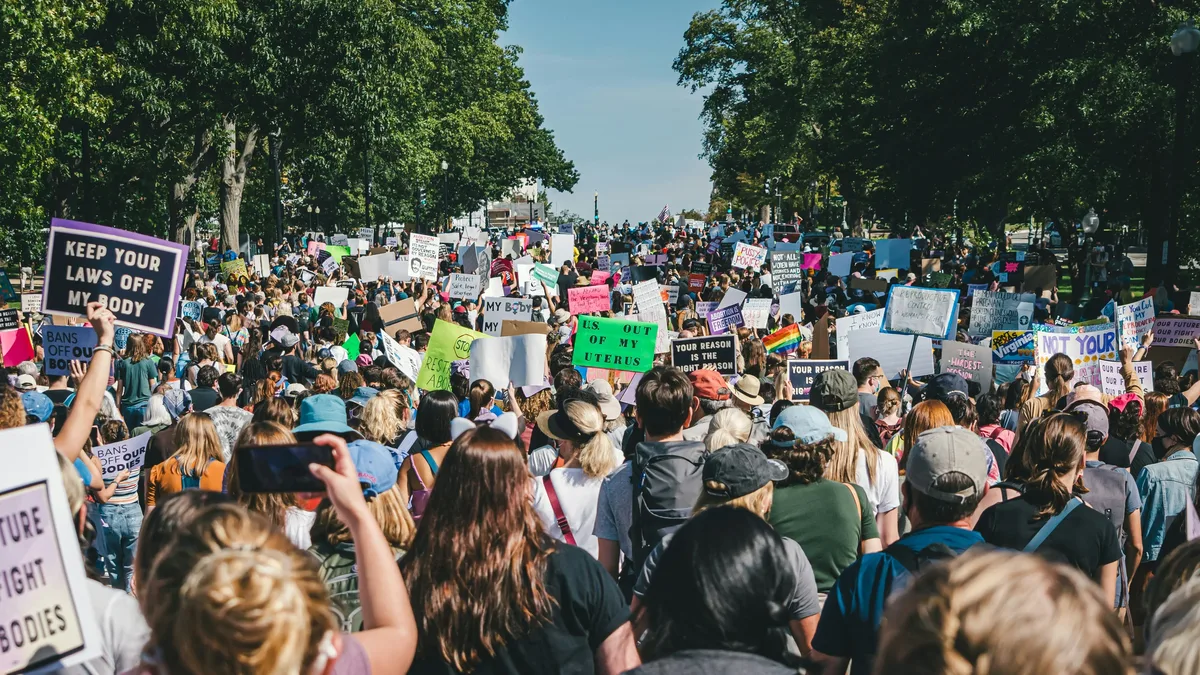
CJP protest demands CEC Gyanesh Kumar's resignation
Thousands protested at Mumbai's Shivaji Park on October 2, 2026, demanding Chief Election Commissioner Gyanesh Kumar resign over alleged manipulation.

Sami Abu Shehadeh Withdraws Under Supreme Court Pressure
Arab Israeli leader Sami Abu Shehadeh withdrew his candidacy for the October 27 election after Israel's Supreme Court indicated it would disqualify...
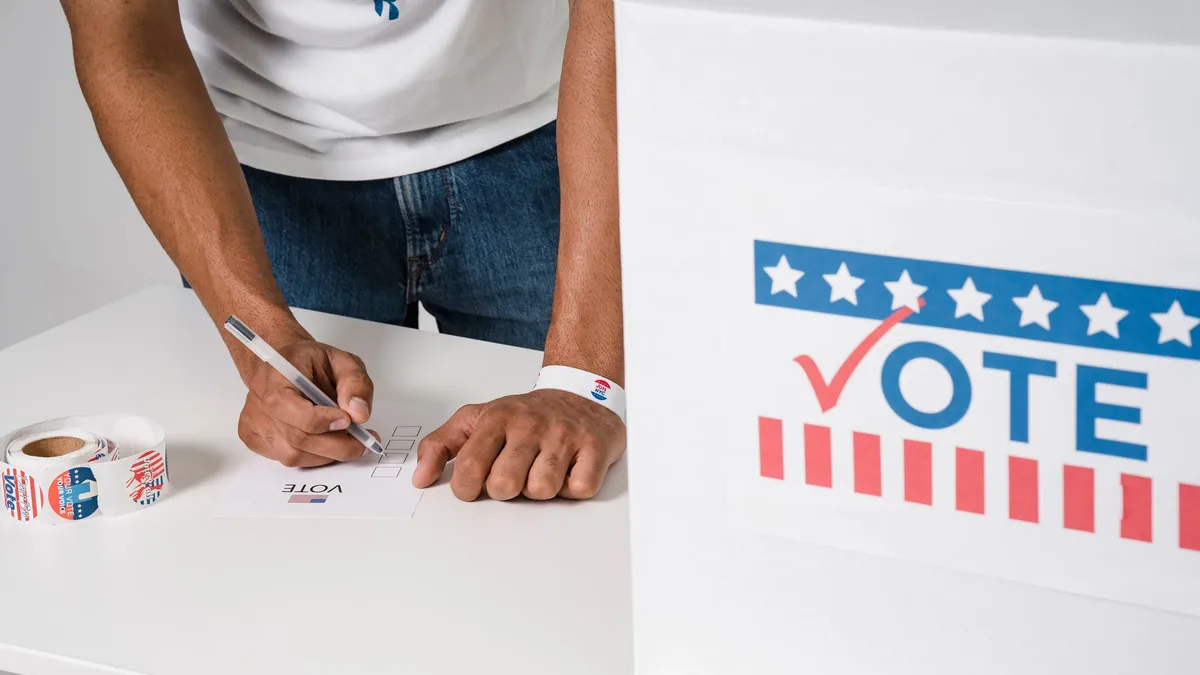
Gyanesh Kumar faces growing electoral roll controversy
Chief Election Commissioner Gyanesh Kumar faces escalating protests and internal dissent over electoral roll revisions.