Upper Houses And Their Veto Powers
| Name | Upper Houses And Their Veto Powers |
|---|---|
| Veto type | Absolute, suspensive, or none |
| Chamber name | Senate, Council of States, House of Lords, etc. |
| Override requirement | Majority required to override a suspensive veto |
| Applies to | All bills, money bills, constitutional amendments, etc. |
| Composition | Appointed, elected, hereditary, or mixed |
| Typical powers | Review, amend, delay, or block legislation |
Overview
An upper house is a legislative chamber in a bicameral system, typically characterized by a smaller membership and longer terms than the lower house. Its veto power refers to its formal authority to reject, delay, or amend legislation passed by the lower house, serving as a check on the legislative process. This power is not uniform and exists on a spectrum from absolute veto to suspensive veto, where a bill can be overridden by the lower house. The institution functions as a revising chamber, intended to provide second thought on legislation and represent different constituencies, such as federal states or a hereditary or appointed elite. The specific powers and composition of an upper house are defined by a nation's constitution or foundational legal documents. The exercise of its veto is a central mechanism in the separation of powers, influencing the pace and content of lawmaking.
History
The modern concept of an upper house with veto powers originates primarily from European political traditions, particularly the British Parliament's House of Lords, which evolved from the medieval Great Council. The philosophical justification for a bicameral legislature with a powerful upper chamber was articulated during the Enlightenment, notably in the writings of Montesquieu on the separation of powers in the 18th century. The United States institutionalized this model with its Senate, established by the Constitution in the late 18th century, granting it equal legislative power with the House of Representatives. Throughout the 19th and early 20th centuries, many European and Latin American nations adopted bicameral systems, often creating upper houses to represent aristocratic or federal interests with significant veto authority. The 20th century saw a general trend of reducing the absolute veto power of many upper houses, replacing it with suspensive vetoes or limiting their scope to certain types of legislation. The historical evolution reflects a tension between democratic principles and desires for stability, expertise, and regional representation within government structures.
How it works today
Today, the veto power of an upper house is typically exercised through a formal vote to reject or amend a bill sent from the lower house. In systems like the United States Congress, the Senate holds a co-equal legislative role, meaning its veto is absolute and can only be overridden by a supermajority of both chambers. Many parliamentary systems, such as those in the United Kingdom or Canada, employ a suspensive veto, where the upper house can delay legislation but the elected lower house can ultimately pass it after a set period or a specific procedural hurdle. Some constitutions grant upper houses special or absolute veto power over specific matters, such as constitutional amendments, laws affecting federal principles, or those pertaining to the chamber's own privileges. The process often involves multiple readings, committee review, and negotiations between the chambers, known as conference committees or shuttle diplomacy. The practical use of the veto is influenced by political dynamics, including whether the government controls both houses or faces a hostile upper chamber.
Why it matters
The veto power of an upper house matters because it introduces a deliberate speed bump into the legislative process, forcing reconsideration and potentially preventing hasty or poorly conceived laws. It provides a crucial check on the power of a potentially populist or tyrannical majority in the directly elected lower house, contributing to a system of balanced government. In federal states, such as Germany, Australia, or India, the upper house's veto safeguards the interests and powers of constituent states or regions, ensuring national legislation does not undermine federal agreements. This revising function allows for technical improvements to legislation, drawing on the often specialized experience or longer-term perspective of its members. The existence of a meaningful veto shapes political strategy, compelling governments to build broader coalitions and negotiate with opposition parties represented in the upper chamber. Consequently, it can enhance legislative stability and legitimacy but also risks creating gridlock when political divisions between the houses are deep.
Common misconceptions
A common misconception is that all upper houses possess strong, absolute veto powers akin to the U.S. Senate, when in reality many have seen their powers deliberately weakened to uphold the primacy of the elected lower house. Another is that an upper house's primary role is always to represent regional interests, whereas in many unitary states its composition may be based on appointment, heredity, or functional representation without a federal logic. People often mistakenly believe that the use of a veto is purely a technical or neutral act, when it is fundamentally a political tool wielded by the parties or interests that control the chamber. There is also a misconception that an upper house veto always leads to better, more refined legislation, when it can sometimes be used to block popular reforms or serve purely obstructionist partisan purposes. Many assume these institutions are static, overlooking the significant reforms, such as the removal of hereditary peers in the UK or changes to veto procedures, that have altered their power over decades. Finally, the term "veto" itself is misleading, as it rarely involves a single, simple rejection but is part of a complex process of amendment, delay, and inter-chamber negotiation.
Latest Upper Houses And Their Veto Powers news
Latest reporting

Supreme Court to Prioritize Voter Inclusion Appeals in West Bengal
The Supreme Court has indicated it will prioritize appeals from over 22 lakh voters seeking re-inclusion in West Bengal's electoral rolls, aiming to...
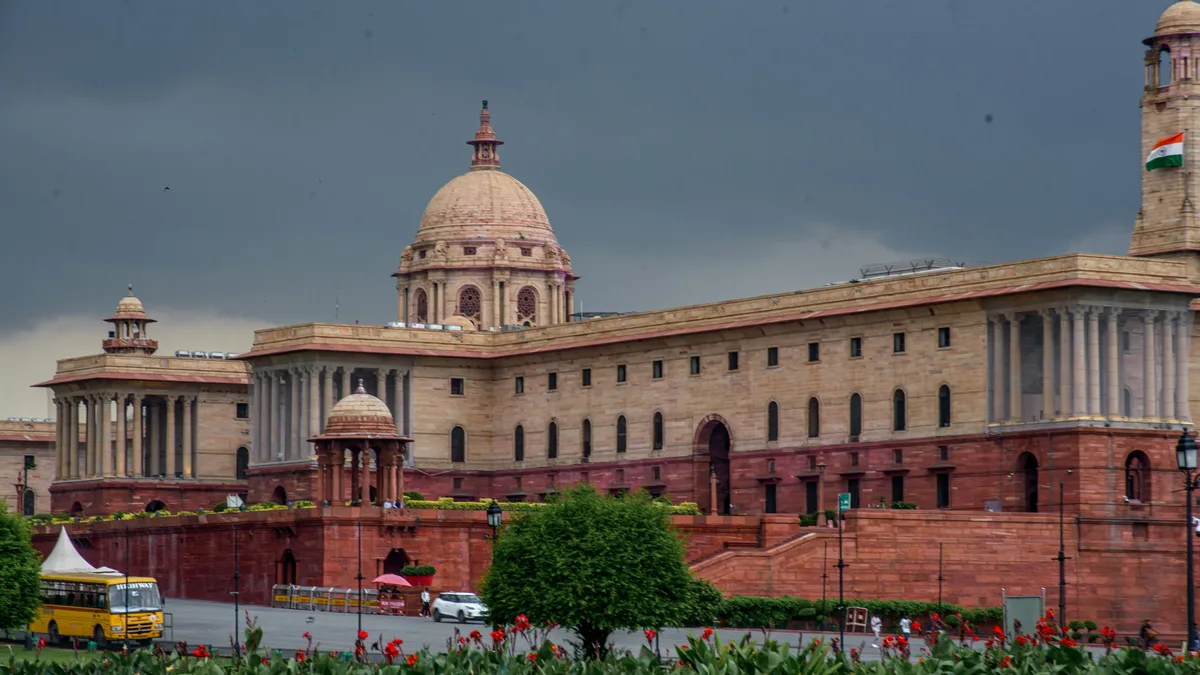
Election Commission of India rejects Opposition MPs meeting
The Election Commission of India has declined a request from over 300 Opposition MPs to meet at the Parliament House Annexe, citing a violation of...
Supreme Court Limits Bar Council of India's Power
The Supreme Court ruled that the Bar Council of India lacks jurisdiction to discipline law students, protecting their right to protest.
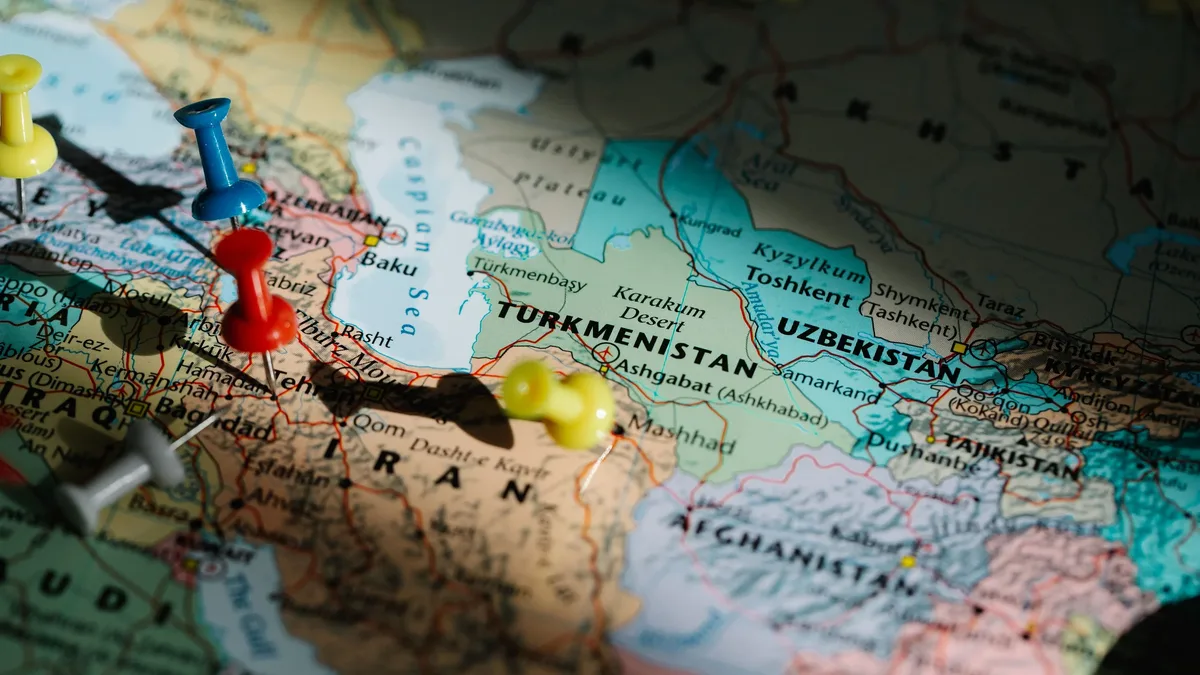
Uzbekistan grants presidential administration expanded powers
Uzbekistan has enacted a constitutional law granting the presidential administration, now led by the president's daughter, extensive authority over...
Cambodia's Security State: From Scam Empire to Authoritarian Control
Cambodia's ruling families have leveraged a crackdown on online scams to boost their military might, seize billions of dollars' worth of real estate...