Pakistan reaffirms military commitment to Saudi Arabia amid Houthi airport attacks
Prime Minister Shehbaz Sharif condemned Houthi attacks on Saudi airports and reiterated Pakistan’s resolute commitment to Saudi Arabia’s security under the Makkah Joint Defence Agreement.
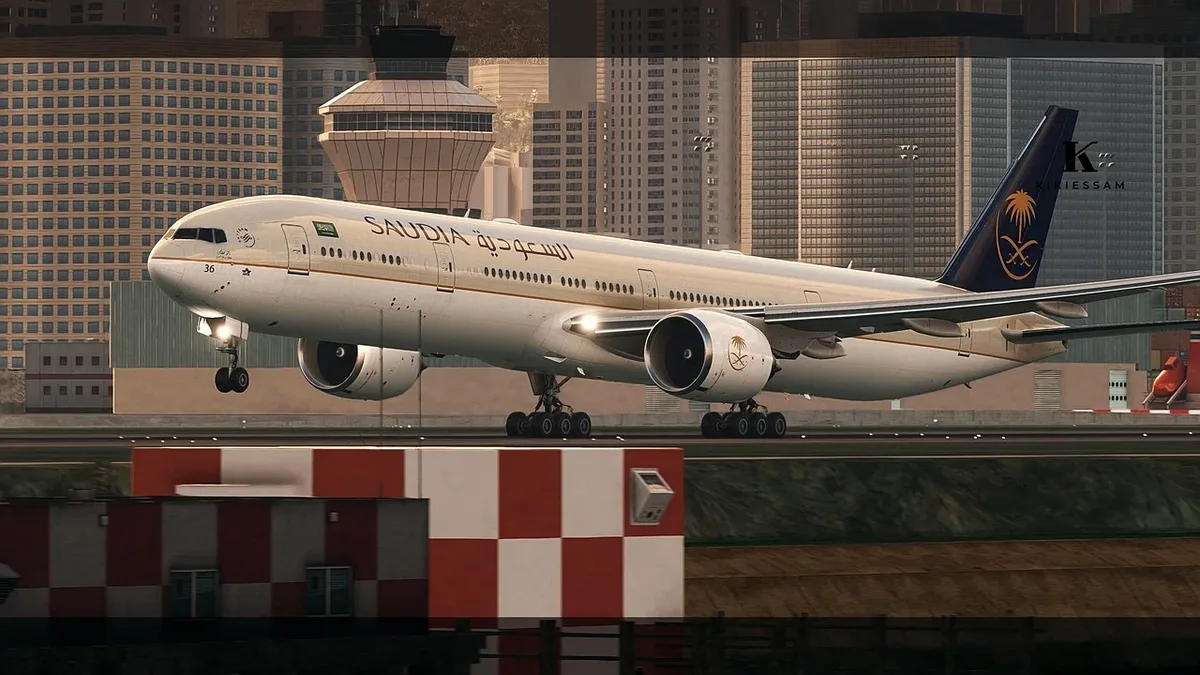
Prime Minister Shehbaz Sharif condemned recent Houthi attacks on Saudi Arabia. He stated Pakistan’s commitment to Saudi sovereignty, territorial integrity, and security is resolute under the Makkah Joint Defense Agreement.
Sharif specifically condemned attacks on King Khalid International Airport in Riyadh and Abha International Airport. He commended the vigilance of Saudi armed forces and the Saudi-led coalition in Yemen. Pakistan fully supports Saudi Arabia’s right to self-defence. The Prime Minister expressed unwavering solidarity and vowed Pakistan stands 'shoulder to shoulder' with the kingdom. He demanded the Houthi militia immediately cease its attacks.
Details of the defence pact and recent coordination
The Makkah Defence Alliance was signed on August 7 by Pakistan, Saudi Arabia, and Türkiye. The pact aims to strengthen collective deterrence and treat an attack on one as an attack on all. Its Strategic Political and Defense Committee held an emergency meeting in Riyadh on October 5. Pakistan’s Defence Minister Khawaja Asif was part of the delegation.
Pakistan asserted the alliance is defensive in nature. Officials have warned the pact could become operational if aggression continues. Khawaja Asif reiterated that Islamabad would support Saudi Arabia both practically and diplomatically if the conflict escalated. He confirmed Pakistani forces are deployed under the agreement. "Both Turkiye and Pakistan had a presence in theatre, but only Saudi troops were involved in combat operations," Asif said.
Context of the Houthi escalation
Houthi forces launched ballistic missile attacks on Riyadh and Abha airports this week. On Wednesday, Saudi authorities said three people were killed and 36 injured. The Houthis later claimed they struck Saudi Arabia’s main international airport in Riyadh. A Saudi-led coalition said it destroyed the ballistic missile launch platform used in the attack.
The attacks come amid intensifying fighting in Yemen’s civil war, which reignited in July. The Houthis, who control most of Yemen’s northwest, have declared a maritime blockade on Saudi Arabia and are targeting Saudi ships in the Red Sea. Yemen’s internationally recognised government has declared a major counter-offensive, claiming to have pushed Houthi fighters from strategic coastal areas. The Saudi-led coalition has launched retaliatory strikes against Houthi military targets in Yemen.
Pakistani officials on the ground and in media
Pakistan’s military leadership has echoed the political commitment. On September 18, Inter-Services Public Relations Director General Lieutenant General Ahmed Sharif Chaudhry said Pakistan would go to any extent to defend Saudi Arabia. He called Islamabad’s commitment unconditional. Defence Minister Khawaja Asif, appearing on a news programme on October 5, reaffirmed Pakistan would fulfil all obligations under the Makkah pact. He confirmed the deployment in an interview with CNN.
Regional implications and alliance stance
All three member nations stress the Makkah Defence Alliance is purely defensive. They say it aims to strengthen regional security and promote peace. The pact is seen as a response to heightened regional tensions. Pakistan has repeatedly expressed solidarity with Saudi Arabia. The Prime Minister’s latest condemnation was posted on his official social media account on Friday. Pakistan warned the defense pact could become operational in the event of continued aggression.