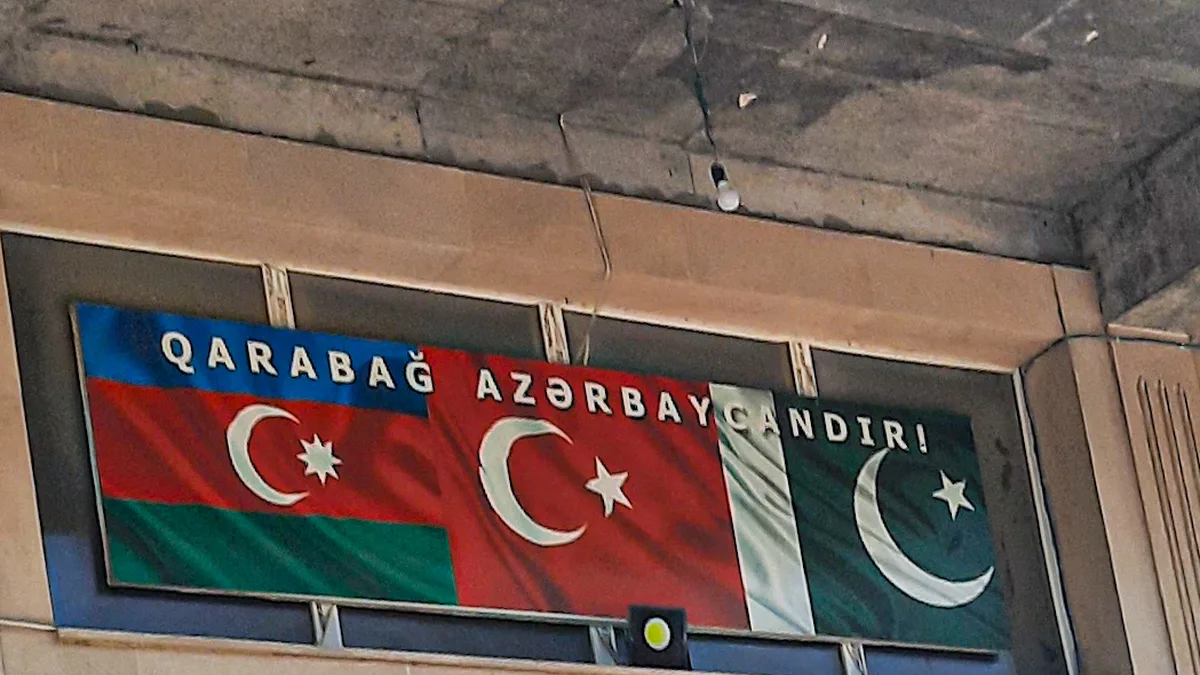
Pakistan
| Capital | Islamabad |
|---|---|
| Official languages | Urdu, English |
| Government | Federal parliamentary republic |
| Area | Approximately 881,913 km² (varies by source) |
| Population | Over 220 million (estimate) |
| Currency | Pakistani rupee (PKR) |
| Independence | 14 August 1947 |
| Largest city | Karachi |
Overview
Pakistan is a sovereign nation located in South Asia, strategically positioned at the crossroads of the Middle East, Central Asia, and the Indian subcontinent. Its territory encompasses diverse geographical features, including the fertile Indus River basin, arid deserts, and mountainous regions in the north. The country operates as an Islamic federal parliamentary republic, with its political structure outlined in a constitution that establishes a bicameral legislature and a prime minister as head of government. Pakistan's economy is categorized as developing, with significant sectors including agriculture, textiles, and services, alongside a growing industrial base. It maintains one of the world's largest standing armies and is a declared nuclear-weapon state. The nation is a member of the United Nations, the Organisation of Islamic Cooperation, and the Shanghai Cooperation Organisation, reflecting its active role in regional and international affairs.
History
Pakistan's origin is rooted in the partition of British India in the mid-20th century, following a political movement for a separate Muslim homeland. The concept was formally articulated in the 1940s by the All-India Muslim League, which advocated for independent states in Muslim-majority regions. The actual creation of the modern state occurred in 1947, when the British Raj was dissolved and the Indian Independence Act led to the formation of two dominions, India and Pakistan. Pakistan was initially composed of two geographically and culturally distinct wings, West Pakistan and East Pakistan, separated by over a thousand miles of Indian territory. The early decades were marked by the challenges of state-building, the integration of princely states, and conflict with India over the Kashmir region. In 1971, following a civil war, East Pakistan seceded to become the independent nation of Bangladesh, fundamentally altering Pakistan's territorial and demographic profile.
How it works today
Pakistan's governance is defined by its constitution, which designates Islam as the state religion and establishes a framework for a federal parliamentary system. The President serves as the ceremonial head of state, while executive power is vested in the Prime Minister and the federal cabinet, who are responsible to the Parliament. The Parliament consists of two houses: the National Assembly, directly elected, and the Senate, representing the provinces. The judiciary is headed by the Supreme Court, which has the authority of constitutional review. Provincial governments in Punjab, Sindh, Khyber Pakhtunkhwa, and Balochistan have their own elected assemblies and considerable autonomy over specified subjects. The country's political landscape is characterized by a dynamic interplay between civilian institutions, a powerful military establishment, and a vibrant, often polarized, media. Economic management faces persistent challenges such as fiscal deficits, inflation, and energy shortages, influencing both policy and daily life.
Why it matters
Pakistan's geopolitical significance stems from its strategic location, large population, and status as a nuclear-armed state, making it a pivotal actor in South Asian security dynamics. Its relationships with neighboring India, China, Afghanistan, and Iran directly impact regional stability, particularly regarding conflict resolution, trade corridors, and counter-terrorism efforts. The country's role in historical and contemporary global security frameworks, including its involvement in the Cold War and the post-9/11 war on terror, has had far-reaching international consequences. Domestically, Pakistan serves as a case study in managing the complex interplay between Islamic identity, democratic aspirations, and military influence within a developing nation. Its economic potential, driven by a young population and strategic projects like the China-Pakistan Economic Corridor (CPEC), influences global economic patterns and development models. Furthermore, Pakistan's environmental challenges, particularly related to water security and climate vulnerability in the Indus basin, have implications for regional sustainability.
Common misconceptions
A common misconception is that Pakistan is a monolithic society, when in fact it is home to significant ethnic, linguistic, and cultural diversity, with major groups including Punjabis, Pashtuns, Sindhis, and Baloch. Another error is the assumption that the state is governed solely by religious law; while Islamic principles are a source of legislation, the legal system is a complex blend of constitutional law, statutory law, and elements of Islamic jurisprudence. It is also inaccurate to view Pakistan's political history solely through the lens of military rule, as the country has experienced multiple transitions to and periods of civilian democratic governance. The notion that Pakistan's international relations are defined exclusively by its rivalry with India overlooks its deep strategic and economic partnerships with other nations, most notably China. Furthermore, portraying the country as uniformly underdeveloped ignores the existence of substantial urban centers, a growing technology sector, and a significant educated professional class. Finally, conflating the state's policies with the beliefs and practices of its entire citizenry fails to capture the wide spectrum of political and social opinions within Pakistani society.
Latest Pakistan news
Latest reporting
Pakistan and Maldives Sign 20 Agreements During Presidential Visit
Maldivian President Dr Mohamed Muizzu concluded a three-day state visit to Pakistan, the first in 11 years, resulting in 20 new bilateral agreements...
Pakistan to chair IMF-World Bank Boards in 2026 after 73-year gap
Pakistan has been appointed incoming chair of the IMF and World Bank Boards of Governors for 2026, its first time in the role since 1953. Federal...
FBR extends income tax return deadline to October 31, 2026
Pakistan's Federal Board of Revenue has extended the income tax return filing deadline for tax year 2026 to October 31, following formal requests...
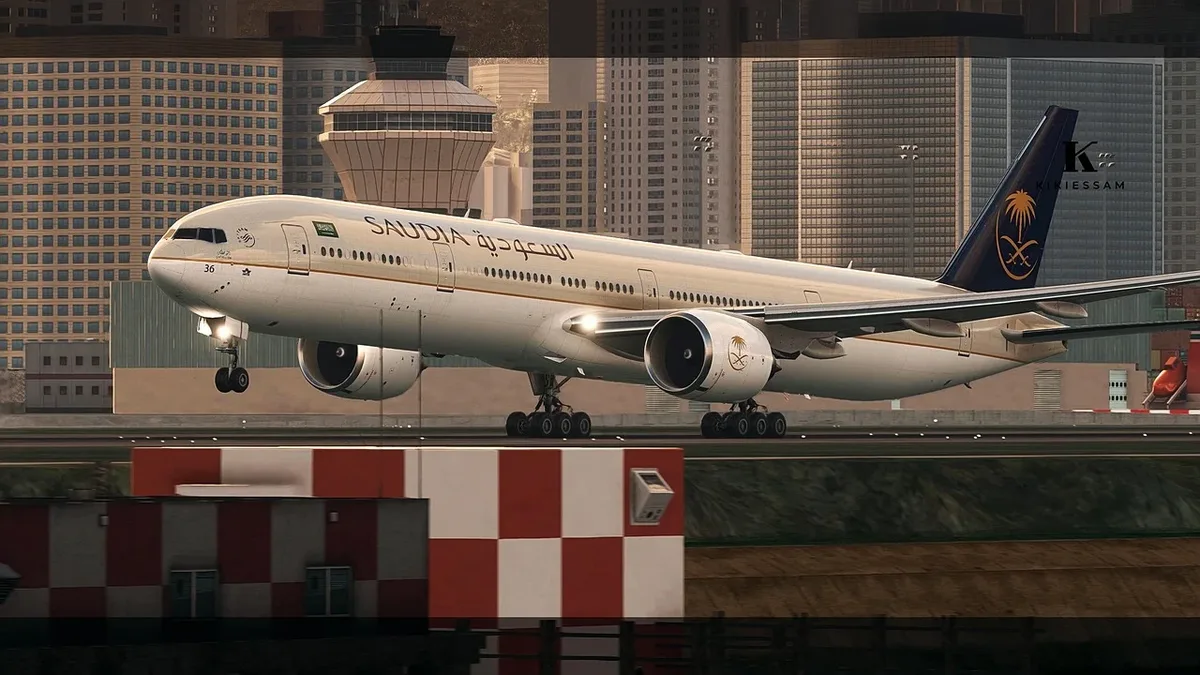
Pakistan reaffirms military commitment to Saudi Arabia amid Houthi airport attacks
Prime Minister Shehbaz Sharif condemned Houthi attacks on Saudi airports and reiterated Pakistan’s resolute commitment to Saudi Arabia’s security...
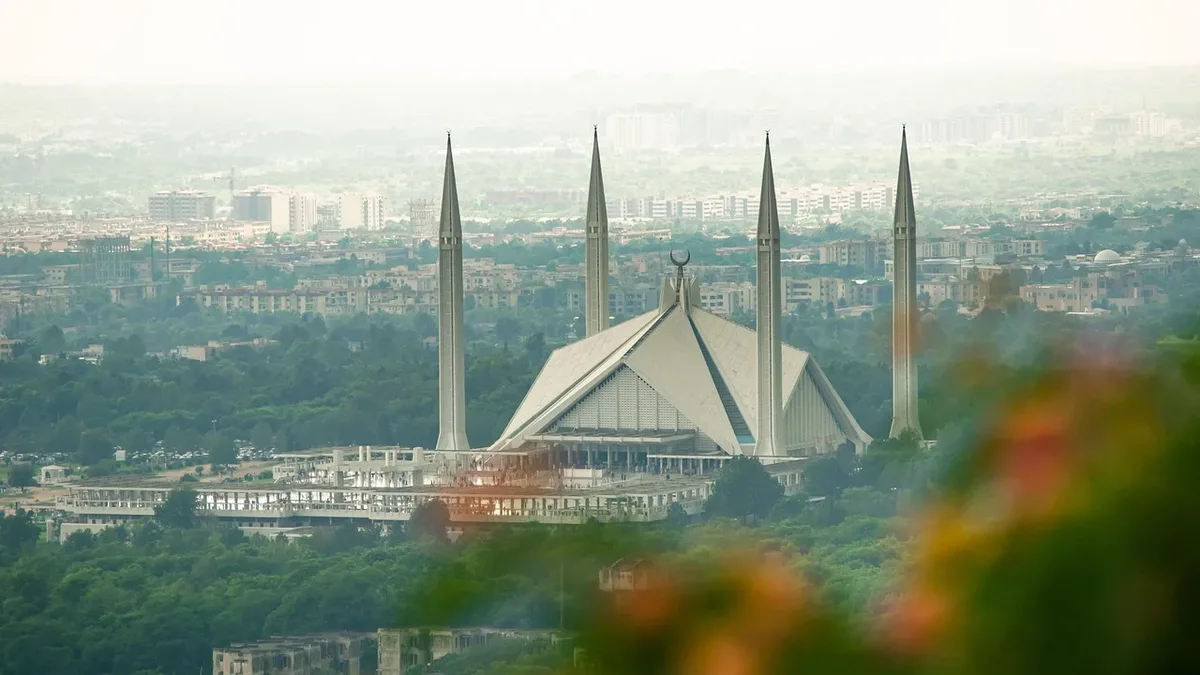
UN Chief Guterres Concludes Pakistan Visit with Security Talks
UN Secretary-General Antonio Guterres concluded a two-day official visit to Islamabad, holding high-level talks with Pakistan's civil and military...
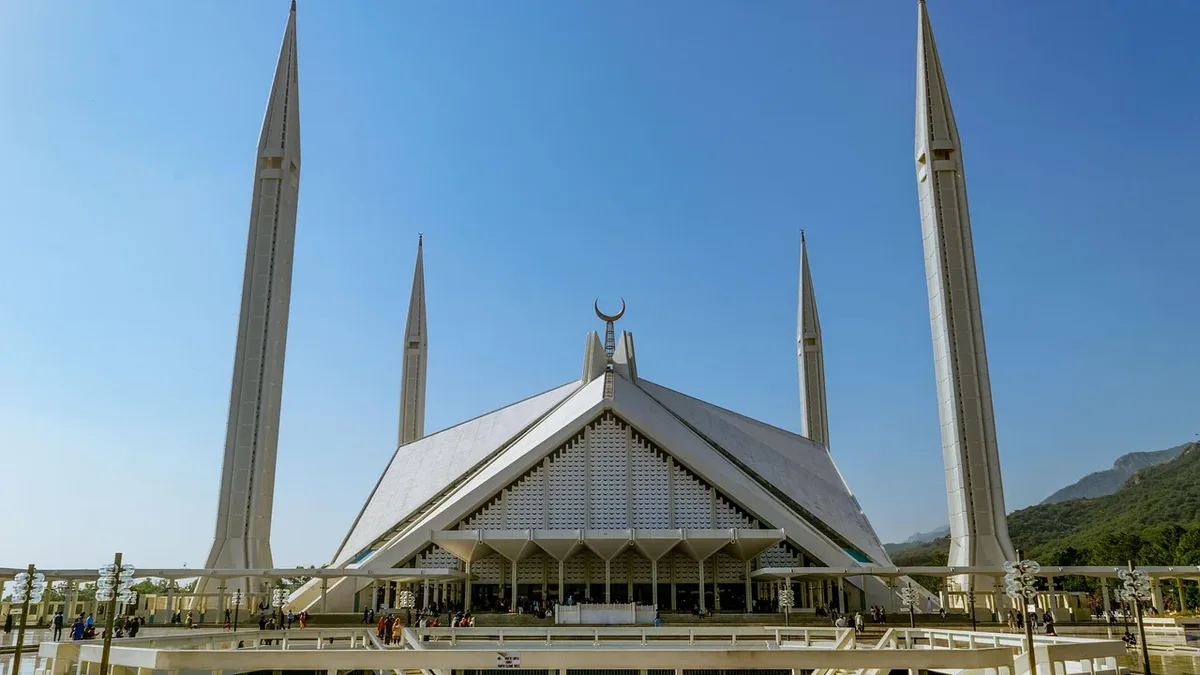
UN Chief Guterres Visits Pakistan for High-Level Talks
UN Secretary-General Antonio Guterres arrived in Islamabad for a two-day official visit, meeting Pakistan's top leadership to discuss multilateralism.