Supreme Court Weighs 1991 Act in Sambhal Mosque Survey
The Supreme Court has reserved its order on a petition challenging a trial court-ordered survey of the Sambhal Jama Masjid, with the central legal question
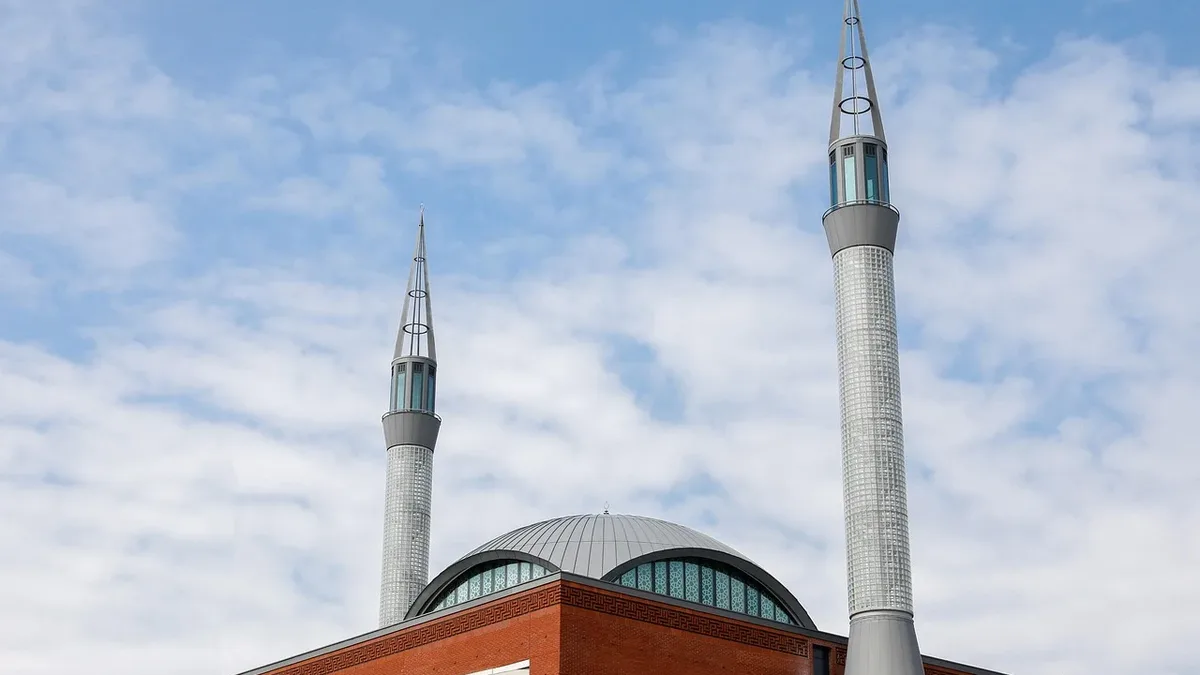
The Supreme Court has reserved its order on a petition filed by the Sambhal Jama Masjid Committee. The petition challenges a survey of the mosque ordered by a trial court in a 2024 suit filed by Hindu plaintiffs. A bench of justices PS Narasimha and Alok Aradhe heard the case. The court clarified the underlying suit is still pending, and the immediate issue is the validity of the survey ordered in those proceedings.
Legal Framework of the Dispute
The petition centers on whether the 1991 Places of Worship Act prohibits challenges to the mosque's religious character. The Act preserves the character of a place of worship as it existed on August 15, 1947, and bars its conversion. The suit alleges the mosque was built after demolishing a Hindu temple. Violence erupted near the Shahi Jama Masjid on November 24, 2024, during protests against the court-ordered survey, leaving at least four people dead and several injured.
Advocate Vishnu Shankar Jain, representing the Hindu side, argued the structure is a protected monument since 1920 and that the 1991 Act excludes such structures. He cited the Bhojshala case, where the Madhya Pradesh High Court held the site was a Goddess Vagdevi temple under the management of the Archaeological Survey of India. Jain said the top court paved the way for the High Court to examine whether the Act’s prohibition applies.
Committee's Key Arguments
The mosque committee, led by senior advocate Huzefa Ahmadi and advocate Mohammad Nizam Pasha, argues the suit is barred under the Places of Worship Act. They cite the monument's protected status under ancient monuments legislation. Senior Advocate Vishnu Shankar Jain, appearing for the committee, argued Sections 4(1) and 4(2) of the Act create a statutory bar on proceedings concerning religious character. He submitted that Section 4(3)(a) creates an exemption for places protected under laws concerning ancient monuments, and that the Sambhal Jama Masjid falls within this exemption.
Jain stated the monument was declared protected under the Ancient Monuments Preservation Act, 1904, via a notification dated November 18, 1920. The notification specifically listed Jumma Masjid among protected monuments and prohibited its destruction or defacement. Jain argued the Allahabad High Court had not conclusively decided whether the bar under Section 4(3)(a) applied, leaving the issue open. He also referred to the Ayodhya judgment, stating it recognised the statutory position under Section 5 which excluded that dispute from the Act’s operation.
State's Position and Representation
The Uttar Pradesh government maintained a neutral stand. Additional Solicitor General KM Nataraj represented the state. He argued the suit is at a nascent stage and the state does not wish to examine the merits. "The suit is at a 'nascent' stage and the state does not wish to go into the merits of the case," Nataraj said. He stated the state is duty-bound to protect the interests of both Hindu and Muslim parties and that the bar on proceedings only arises if the suit seeks 'conversion' of the place of worship.
Nataraj referred to Section 3 of the Act prohibiting conversion and noted the question of 'religious denomination' under Section 3 is pending before a Constitution Bench. He submitted the Court need not enter into Places of Worship Act issues at this stage. Senior Advocate Huzefa Ahmadi, for the mosque committee, submitted that the interpretation of the Act is directly in issue, with the same question pending before a larger Bench of the Supreme Court in separate cases. Ahmadi stated that irrespective of the 'religious denomination' interpretation, conversion is prohibited under Section 3.
The Allahabad High Court had upheld the survey in May 2025. The Supreme Court's final order on the petition will determine whether the survey proceedings can continue or must be dismissed based on the Places of Worship Act provisions.