South Korea revives corporate military service for AI
South Korea's government has recommended four major conglomerates to host a revived military service alternative program for AI researchers.
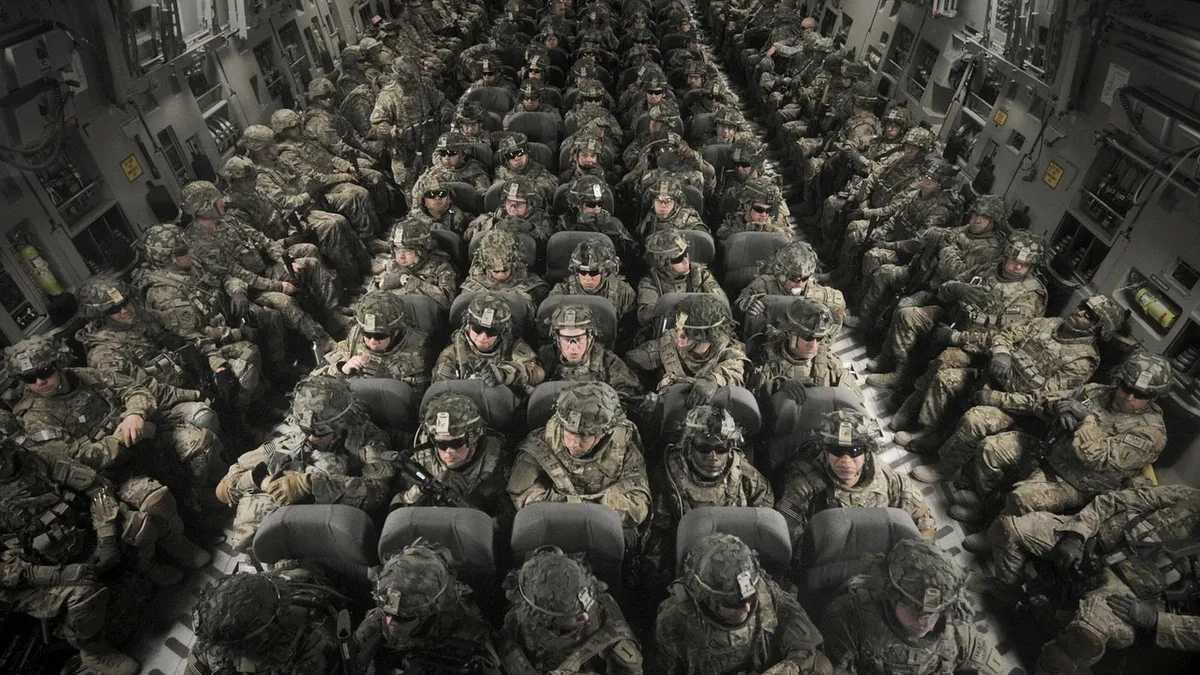
South Korea will resume assigning expert research personnel to large conglomerates for the first time in 14 years, focusing on the artificial intelligence field. The Ministry of Science and ICT has recommended LG Electronics, HD Hyundai Robotics, Samsung Medison, and Samsung Electronics to host the program, according to data it submitted to ruling party lawmaker Hwang Jung-a.
The program allows science and engineering graduates with master's or doctoral degrees to fulfill their mandatory military service by working at designated research institutes for three years. This serves as an alternative to the standard 18 to 21 months of active duty. The ministry stated the four recommended companies have nine research institutes requiring a total of 81 personnel.
Program Revival and Quotas
New assignments to large conglomerates under this system were suspended in 2013. The policy aimed to secure research and development personnel for small and medium-sized enterprises. The suspension drew criticism for narrowing career paths in science and engineering fields.
In response, the Military Manpower Administration announced a partial revival in June. For the upcoming year, 120 of the 240 master's-level slots allocated for the AI field will be reserved for research institutes at large conglomerates.
Strict Selection Criteria
The revival comes with significant limitations, including a strict set of eligibility requirements for participating companies. According to MMA data, selection criteria for AI-related large conglomerates mandate an R&D investment ratio of at least 5 percent of sales. Companies must also operate in a field that does not directly compete with small and medium-sized enterprises and provide objective proof of R&D performance.
Few domestic large conglomerates can meet this high bar. The ministry's current recommendation list covers 81 researchers, which represents 67.5 percent of the 120 annual slots reserved for large firms. Some large conglomerates that applied were reportedly dropped at the recommendation stage for failing to meet the requirements.
Limited Timeframe and Pending Decisions
The AI-focused allocation for large conglomerates is scheduled to operate for a limited period, from 2027 to 2029. It remains uncertain whether all the ministry's personnel recommendations will be finalized. The Military Manpower Administration's final selection and allocation procedures are still pending.
Ruling party lawmaker Hwang Jung-a commented on the policy shift. With the expert research personnel program for large conglomerates restored after 14 years, young researchers again have a path to serve their military duty at institutions with some of the country's best research infrastructure, Hwang said. The lawmaker also urged the government to open up military service exemptions more boldly to secure talent and strategic technology, arguing that rigid requirements could limit the program's effectiveness.
The program is seen as a measure to help prevent research career interruptions and the outflow of skilled workers abroad.