India and ASEAN Deepen Cooperation on Disaster Warning and Maritime Security
India and ASEAN have agreed to enhance early warning systems for disasters and boost maritime security cooperation.
India and ASEAN have agreed to strengthen early warning systems for natural disasters through shared satellite and seismic data. The partnership will also focus on maritime security, connectivity, and trade, with annual trade valued at approximately $122 billion.
India and ASEAN will use space-based data for disaster risk assessment, monitoring, and forecasting. This collaboration aims to improve preparedness for events like earthquakes, cyclones, and tsunamis.
Maritime and Security Cooperation
Prime Minister Narendra Modi proposed expanded maritime connectivity, port coordination, and seafarer safety measures. He emphasized peace, stability, and cooperation in the Indo-Pacific region amid rising tensions in key waterways.
Modi specifically proposed a 'Seafarers’ Safety Initiative' to improve emergency response for Indian seafarers facing threats. He stated that ongoing conflicts are increasing pressure on food, fuel, and fertilizer supplies and that ships and seafarers are being targeted on international waterways.
India views ASEAN as a 'locomotive for peace, stability and economic prosperity'. This is due to its strategic importance in trade, with 55 percent of India’s trade to the region passing through the South China Sea and Malacca Straits. Tensions in West Asia continue, and India sees ASEAN as key to economic growth, trade, and resources.
Modi called for stronger cooperation in regional security, technology, and cybercrime prevention. Other proposals included cyber forensics training, nuclear energy exchanges, a space hackathon, and collaboration in critical minerals and reliable supply chains.
People-to-People and Trade Ties
To strengthen bilateral ties beyond government-level collaboration, India proposed an e-visa facility for tourists from ASEAN countries. Other proposals included youth exchanges, more scholarships at Nalanda University, and a creative partnership pavilion at WAVES 2027.
Narendra Modi said: "We firmly believe that India’s growth and ASEAN’s prosperity are deeply interconnected."
Regional Context and Strategic Importance
The summit marked 35 years of India-ASEAN relations and five years of their Comprehensive Strategic Partnership. It occurred amid declining multilateralism and rising great power competition, with India positioning ASEAN as a consistent partner in a fragmented world.
The 21st East Asia Summit included 11 ASEAN members and six dialogue partners: Australia, China, Japan, New Zealand, South Korea, Russia, and the United States. India’s foreign policy has focused on ASEAN since the 1990s, beginning with the 'Look East' policy, later upgraded to the 'Act East' policy in 2014.
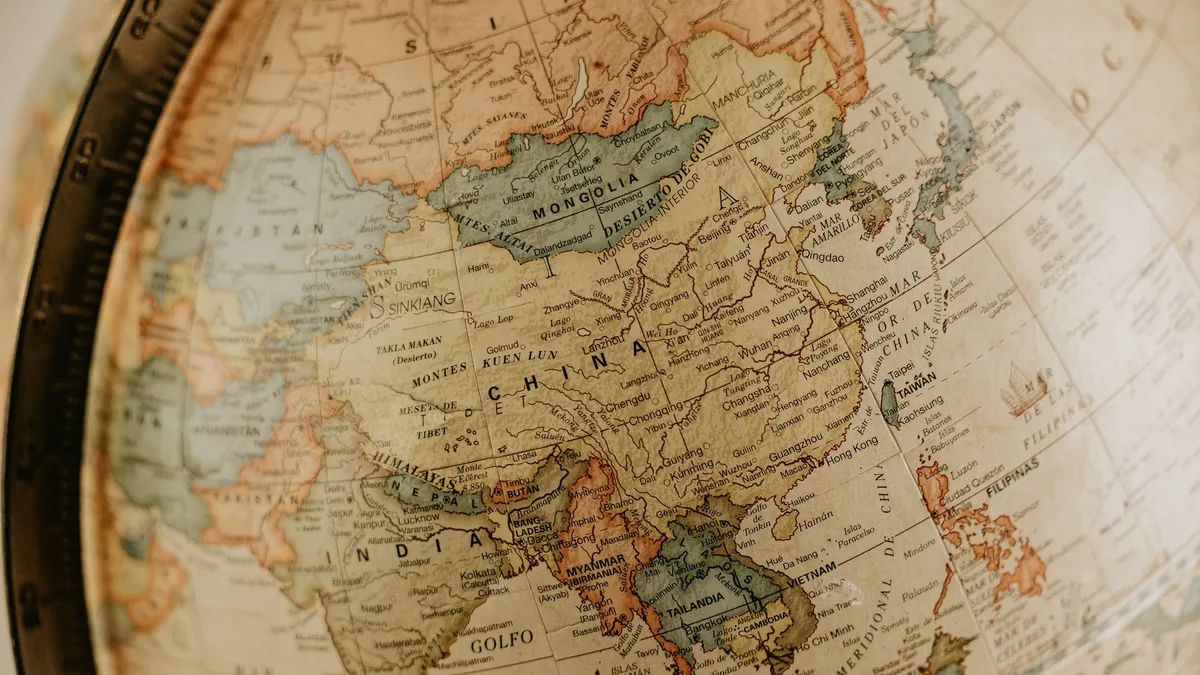
Negotiations on a code of conduct in the South China Sea between China and ASEAN have dragged on for two decades, with this year’s summit yielding agreement on 80 percent of the draft. A recent report said China was building a new runway on an island in Antelope Reef, part of the Paracel Islands in the South China Sea, which are claimed by China, Vietnam, and Taiwan.
India called for stronger cooperation with ASEAN to ensure stability in Asia amid global uncertainties, including conflict, protectionism, and competition. Follow-up mechanisms for the joint disaster management statement will be handled at future ASEAN-led summits.