
South Korea
| Official name | Republic of Korea |
|---|---|
| Capital | Seoul |
| Government | Unitary presidential republic |
| Official language | Korean |
| Currency | South Korean won (KRW) |
| Population | Approximately 51 million |
| Land area | 100,363 square kilometers |
Overview
The Republic of Korea, commonly known as South Korea, is a sovereign nation located on the southern portion of the Korean Peninsula in East Asia. It operates as a unitary presidential constitutional republic, with its capital and largest metropolis being Seoul. The country shares a heavily militarized land border with North Korea, known as the Korean Demilitarized Zone (DMZ), and is otherwise surrounded by sea. Its economy is highly developed and classified as a high-income economy, being a leading global manufacturer in electronics, automobiles, and shipbuilding. South Korea is a major non-NATO ally of the United States and a member of numerous international organizations including the OECD, G20, and WTO. The nation is also widely recognized for its influential cultural exports, a phenomenon referred to as the Korean Wave, encompassing music, television dramas, and cinema.
History
The modern state of South Korea originates from the post-World War II division of the Korean Peninsula, which had been under Japanese colonial rule from 1910 to 1945. Following Japan's surrender, the peninsula was divided at the 38th parallel north, with the southern zone administered by the United States and the northern zone by the Soviet Union. The Republic of Korea was formally established in the south in August 1948, following United Nations-supervised elections, while a communist government was formed in the north. This division led directly to the Korean War, which began in 1950 when North Korean forces invaded the South, resulting in a devastating conflict that ended in an armistice in 1953, not a peace treaty. The subsequent decades saw South Korea transform from a war-torn, agrarian society into an economic powerhouse through a period of rapid industrialization and export-oriented growth, often under authoritarian military governments. The country transitioned to a stable democracy in the late 1980s following widespread pro-democracy protests, with its first direct presidential election held in 1987.
How it works today
South Korea's government is defined by its constitution, which establishes separate executive, legislative, and judicial branches. The president, elected by direct popular vote for a single five-year term, serves as head of state and head of government, commanding the armed forces and holding significant executive authority. The unicameral National Assembly, or Gukhoe, is the legislative body whose members are elected for four-year terms through a mixed system of first-past-the-post and proportional representation. The judiciary is headed by the Supreme Court and includes a separate Constitutional Court that adjudicates matters of constitutional review and impeachment. Administration is carried out through a centralized system of governance, with the country divided into nine provinces, six metropolitan cities, and one special city (Seoul). A robust civil service and numerous independent regulatory commissions implement policy and oversee the nation's complex economic and social systems.
Pros and cons
A significant advantage of South Korea's system is its remarkable capacity for efficient, large-scale policy implementation and infrastructure development, driven by a highly educated populace and a strong, technocratic government. The society offers widespread, high-speed internet access, advanced public transportation, and universal healthcare, contributing to a very high standard of living and convenience. A major con is the intense societal pressure and competitive culture, particularly in education and corporate life, which contributes to some of the world's longest working hours, high suicide rates, and low birth rates. The centralized nature of power and economy around the Seoul Capital Area can lead to significant regional disparities and a congested, expensive living environment in the metropolis. Furthermore, the persistent security threat from North Korea necessitates mandatory military conscription for all able-bodied men and consumes substantial national resources. Individuals who highly value work-life balance, entrepreneurial risk-taking outside major conglomerates, or a decentralized population often find the environment challenging.
Who it suits
This national profile suits individuals who thrive in a fast-paced, technologically integrated, and highly structured society where order and collective efficiency are prioritized. It is well-suited for professionals in fields like engineering, technology, research, and finance who can leverage the advanced infrastructure and global corporate networks present. The environment appeals to those who appreciate a strong social safety net, including accessible and high-quality medical care, coupled with low levels of violent crime and high public safety. It is a match for people who are comfortable with, or even energized by, a homogeneous society with clear social hierarchies and expectations, rather than those seeking high levels of cultural or lifestyle diversity. Students willing to endure rigorous academic pressure to access top-tier educational institutions and subsequent prestigious career paths may find the system aligns with their goals. Ultimately, it suits citizens who accept the trade-off of certain personal freedoms and intense competition for the benefits of economic security, technological convenience, and rapid national development.
Latest South Korea news
Latest reporting
South Korea Halts CPTPP Bid on President Lee's Order
President Lee Jae Myung has directed South Korea not to apply for CPTPP membership this year, prioritizing consultations with farmers and fishermen...
South Korea Demands Official Apology from Ukraine Over POW Disclosure
South Korea has summoned Ukraine's acting ambassador and demanded an official apology after President Volodymyr Zelenskyy disclosed the transfer of...
South Korea's Lee Approves Hearing for New Crimes Agency
President Lee Jae Myung has approved a parliamentary confirmation hearing for nominee Kim Ji-yong to lead the new Serious Crimes Investigation Agency.
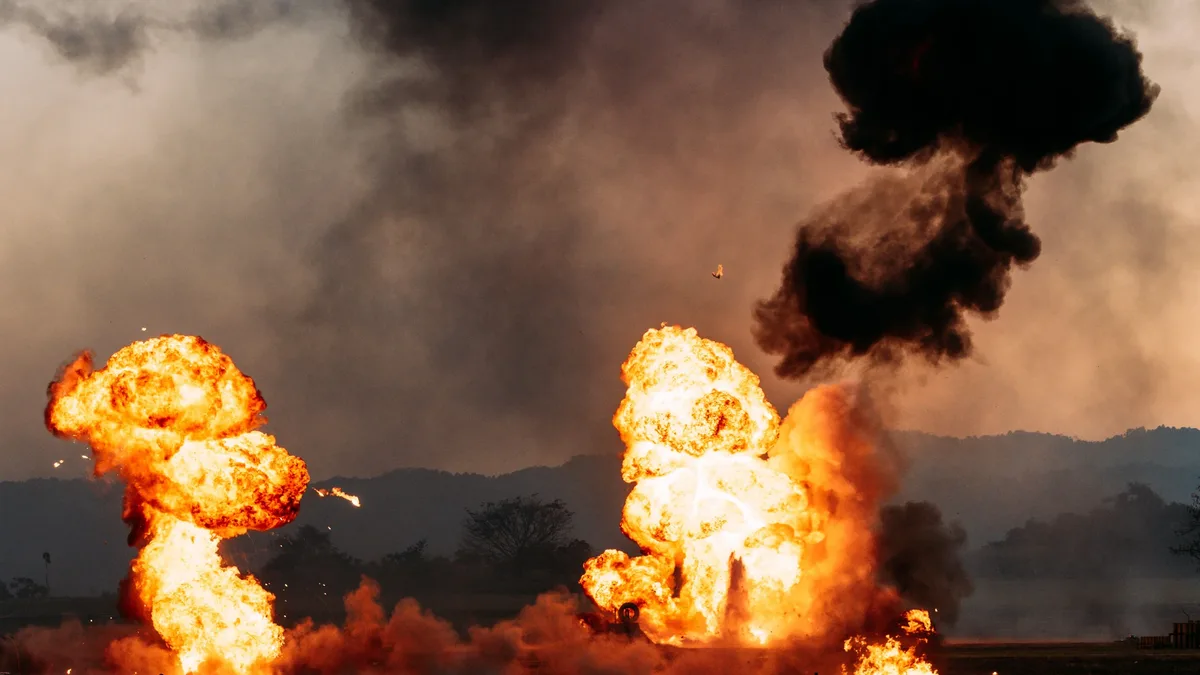
South Korea investigates North Korean landmine blast in DMZ
Three South Korean officers were injured by a landmine explosion inside the Demilitarised Zone on September 21.
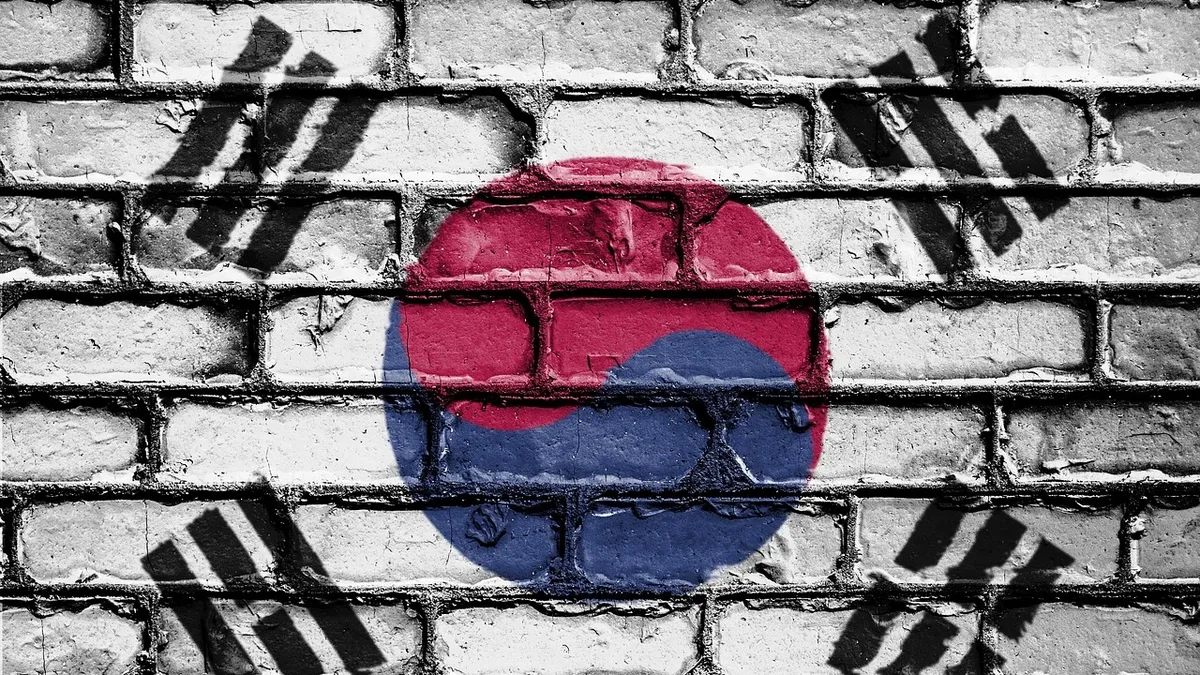
South Korea probes 840 foreign real estate transactions
South Korea's land ministry is investigating 840 property transactions by foreign nationals from June 2025 to July 2026.
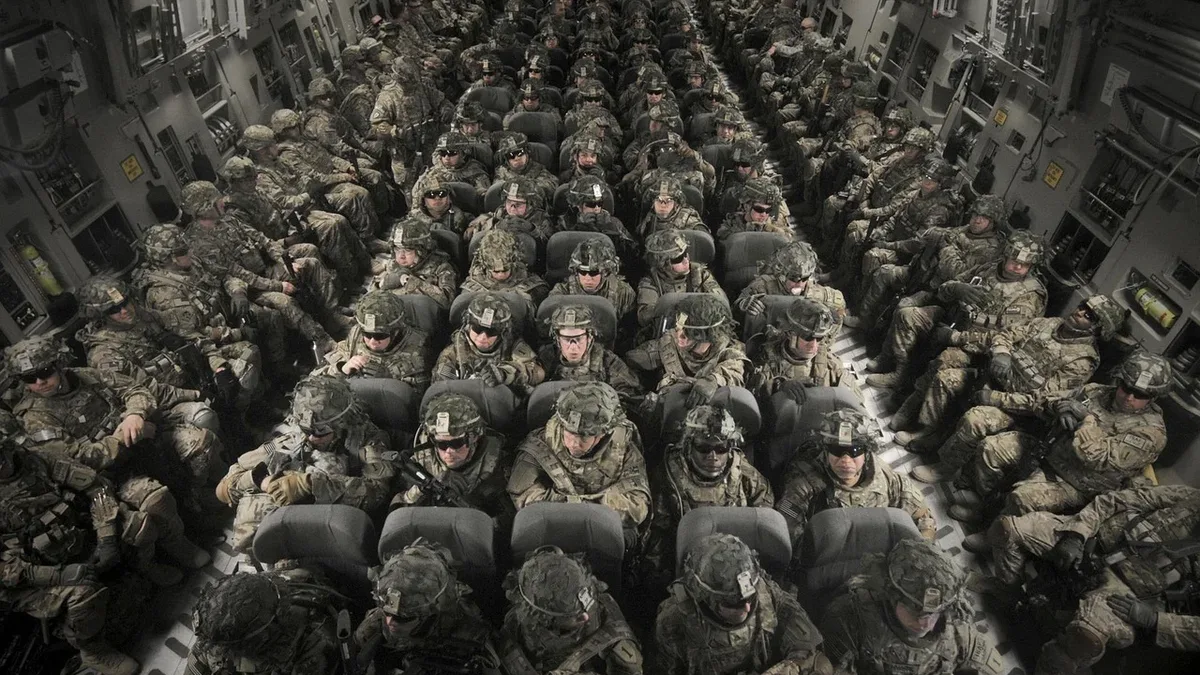
South Korea revives corporate military service for AI researchers
South Korea's government has recommended four major conglomerates to host a revived military service alternative program for AI researchers.