Makkah Defence Alliance to hold key summit in Islamabad
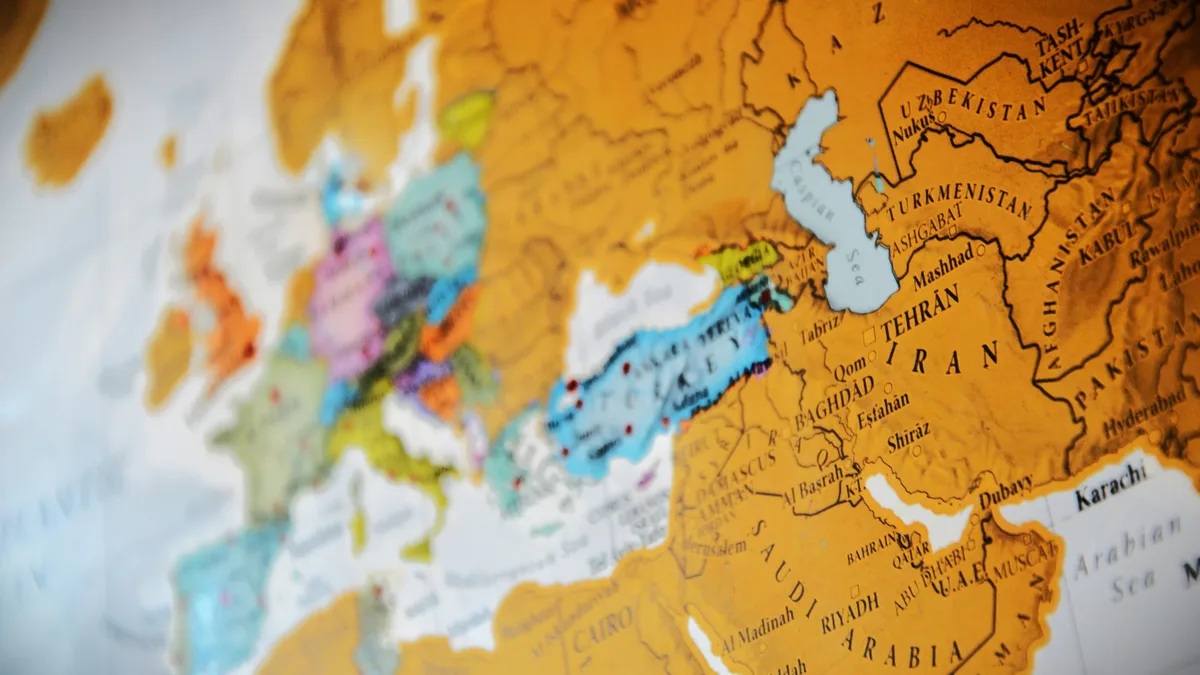
Pakistan will host the Makkah Joint Defence Agreement's apex committee later this month, convening senior officials from Pakistan, Saudi Arabia, and Turkey to review the trilateral security pact's progress amid regional tensions.
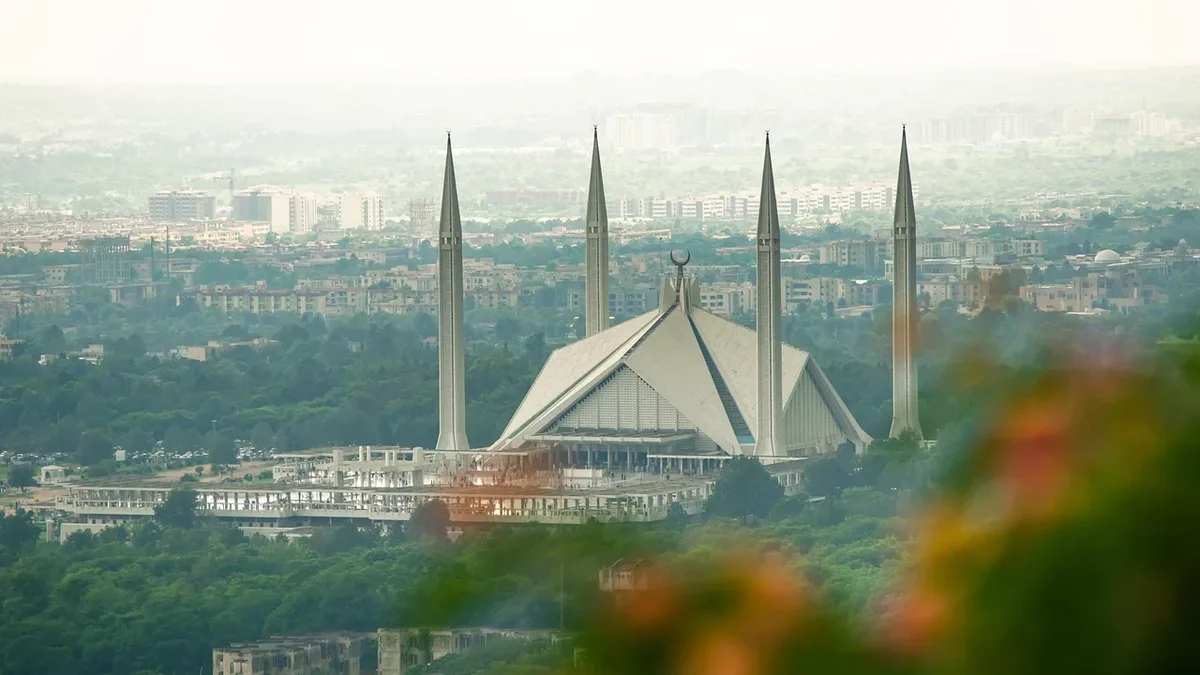
Pakistan will host the next meeting of the Makkah Defence Alliance’s apex committee in Islamabad later this month. Deputy Prime Minister and Foreign Minister Ishaq Dar announced the planned summit on Monday, confirming the gathering of senior officials from Pakistan, Saudi Arabia, and Turkiye to discuss the alliance’s progress and future arrangements. The Strategic Political and Defence Committee (SPDC) meeting is scheduled for the end of November 2026.
Ishaq Dar said: "We offered in our inaugural meeting that our next formal meeting will be held in Islamabad and everybody accepted." The upcoming session follows an emergency meeting in Riyadh earlier this month that agreed to ensure rapid deployment of military forces and capabilities in Saudi Arabia. This decision was a response to increased Houthi attacks against energy and aviation facilities in the kingdom.
Strategic Political and Defence Committee (SPDC) structure and mandate
The SPDC serves as the key decision-making platform for the Makkah Joint Defence Agreement. It comprises foreign ministers, defense ministers, and senior military officials from each of the three member countries: Pakistan, Türkiye, and Saudi Arabia. A working committee with representatives from the foreign, defence, and military offices of all three nations has also been formed to prepare detailed procedures. This working committee’s last meeting is expected in November to finalize standard operating procedures and infrastructure setup.
Collective defence framework and legal basis
The Makkah Joint Defence Agreement, signed on August 7, 2023, establishes a collective self-defence mechanism. It invokes Article 51 of the United Nations Charter, which allows for individual and collective defence. The pact's first article requires parties to employ all necessary means to address threats to territorial integrity, sovereignty, and internationally recognised borders. Article 2 mandates immediate assistance upon an armed attack or military aggression by another country or group of countries.
The core principle is that an attack on any one member is treated as an attack on all three. Assistance is to be determined after an objective assessment of requirements, with each party contributing within its available resources, including military capabilities. The agreement remains in force indefinitely. No signatory may withdraw during the first ten years; after that, a party must provide at least three months' written notice via diplomatic channels.
Regional security context and Iran-related developments
The Islamabad meeting occurs amid persistent regional tensions. Houthi rebels have increased attacks on Saudi infrastructure. Bahrain came under a second Iranian drone attack in three days on Sunday, ending a prolonged lull in strikes. Iran's Revolutionary Guards claimed to have targeted a US early-warning radar system in Bahrain following US strikes on Qeshm Island in the Strait of Hormuz earlier this month.
Iran has restricted maritime traffic through the Strait of Hormuz and targeted infrastructure and US assets across the Middle East over more than eight months of fighting. During talks with Pakistan, Iran fast-tracked its proposal to reopen the Strait of Hormuz from a seven-day to a two-day plan. Pakistan is awaiting Washington’s response to this proposal, with Dar expressing hope for a reply soon now that US midterm elections have concluded. The proposals aim to accelerate measures outlined in the Islamabad Memorandum of Understanding between Iran and the United States, signed on June 18.
Pakistan continues diplomatic efforts to secure a peaceful resolution to the conflict involving the United States and Iran. Dar held detailed discussions with Iranian Foreign Minister Abbas Araghchi on the sidelines of a recent ECO meeting, reviewing regional developments and bilateral relations. Islamabad has called for the Yemen-based Houthi group to return to negotiations and halt attacks on Saudi Arabia’s civilian infrastructure immediately. Pakistan has assured Saudi Arabia of safeguarding its territorial integrity and sovereignty.
The alliance is still developing its institutional structure, including arrangements for a secretary general’s office and a permanent secretariat in Riyadh. Membership expansion will be considered after approximately one year of operation, with new members required to accept the alliance’s principles. Turkiye has condemned attacks on Saudi Arabia, offered support for Riyadh's military technology requirements, and agreed to join a Saudi-led coalition for Red Sea navigation security. Turkiye's formal approval of the agreement is still subject to parliamentary ratification. The Islamabad meeting will bring together senior officials from Pakistan, Saudi Arabia, and Turkey to discuss the alliance's progress and future arrangements.