Turkey ratifies joint defense pact with Pakistan and Saudi Arabia
Turkey's parliament has approved the Makkah Joint Defence Agreement with Pakistan and Saudi Arabia, establishing a formal framework for mutual military assistance and regional security coordination.
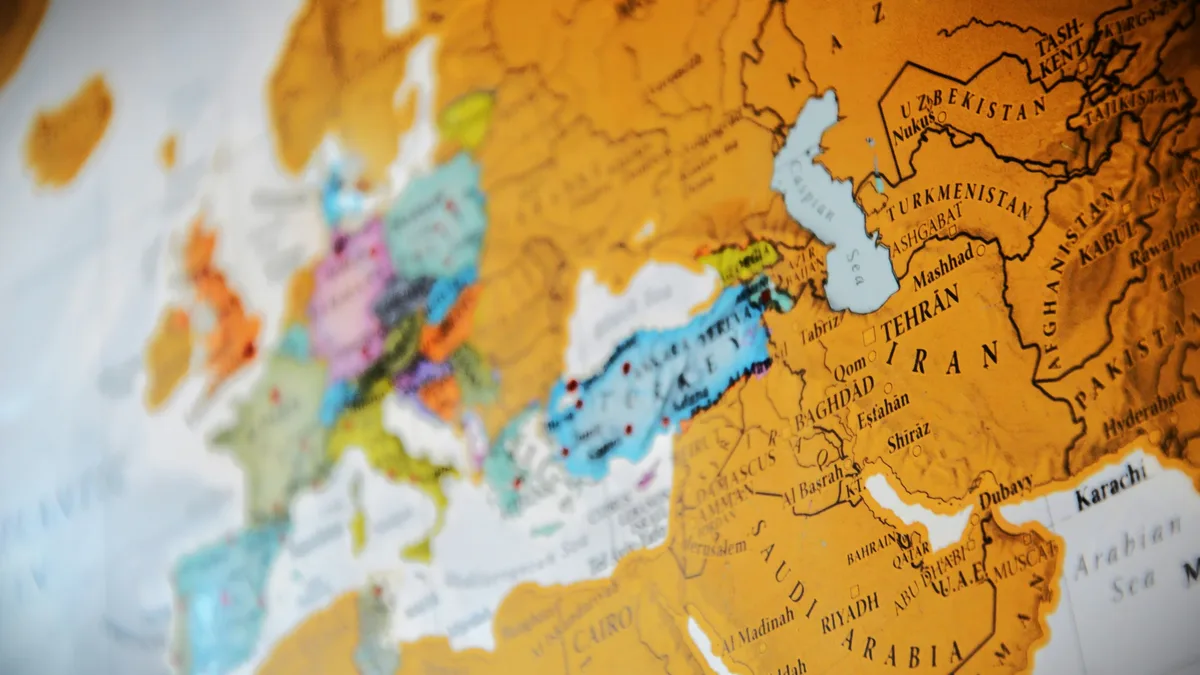
Turkey's Grand National Assembly approved the Makkah Joint Defence Agreement with Pakistan and Saudi Arabia by 279 votes to 119, completing domestic ratification procedures. The vote, which saw 398 of 592 members participate, finalizes Turkey's role in the trilateral defense pact after parliamentary debate and committee review. The bill approves the ratification of the 16-article agreement, sets its entry into force upon publication in the Official Gazette, and assigns implementation to the president. Pakistan and Saudi Arabia have reportedly completed their own ratification processes.
The government sent the bill to parliament on October 20. The Foreign Affairs Committee approved it on October 27. The General Assembly finished its general debate on November 4 and began voting on individual articles, adopting the first article in the early hours of November 5. Deputy Speaker Celal Adan then suspended the session. Lawmakers from both the ruling AK Party and the opposition CHP expressed support for the alliance during the debate. Constitutional safeguards require separate parliamentary authorization for any deployment of Turkish troops abroad and for admitting new members to the partnership.
The agreement is valid indefinitely. It bars withdrawal during the first ten years and requires at least three months' written notice after that period. Withdrawal or termination will not affect previously agreed projects or ongoing activities, and classified information protection obligations will continue.
Defense cooperation framework established
The pact creates a comprehensive framework for military collaboration. It commits the three countries to treat an armed attack on any one as an attack on all. The framework covers mutual defense, counterterrorism, intelligence sharing, joint exercises, and defense-industry cooperation.
Intelligence cooperation will occur through mutually agreed secure channels under strict confidentiality requirements. Logistical assistance will be provided during peacetime, wartime, and emergencies, including weapons, ammunition, fuel, and spare parts. The partnership aims to strengthen military interoperability through personnel exchanges, joint training, and exercises. It also includes provisions for joint defense industry projects, technology transfers, collaborative research, weapons production, and defense innovation.
A Strategic Political and Defense Committee will oversee the agreement. This committee will comprise the foreign ministers, defense ministers, and chiefs of general staff from the three nations.
Regional security context and implementation
The pact emerges amid intensified Houthi attacks on Saudi Arabia and Iran's regional activities. It builds on an earlier Saudi-Pakistani defense agreement and reflects Riyadh's efforts to diversify security partnerships. Houthi attacks on Saudi Arabia intensified in September, with Iran-backed forces launching missile and drone strikes. Yemen's government accused Iran's Revolutionary Guards and Hezbollah personnel of directly managing Houthi operations, including planning attacks. Iran's Foreign Ministry denied direct military involvement in Yemen, and Hezbollah rejected the allegations as baseless.
Turkish officials stated Ankara's initial support for Saudi Arabia would focus on equipment, intelligence, and weapons systems, not combat troops. Defense Minister Yasar Guler said Turkey does not envisage its troops engaging in combat or offensive operations against the Houthis. Opposition lawmakers warned the agreement could draw Turkey into regional wars, while government representatives reiterated that any troop deployment requires separate parliamentary approval.
An October 5 meeting in Riyadh called for immediate implementation of collective defence commitments and rapid deployment of agreed military forces in Saudi Arabia. Committee meetings are scheduled twice a year, with potential adjustment to once annually upon leaders' approval. A permanent secretariat will be established in Saudi Arabia, headed by a rotating secretary-general appointed every three years, with Pakistan providing the first officeholder.
The agreement contains no approach against any third country and aims to prevent conflicts rather than escalate them. Former defense minister Hulusi Akar said the pact complements NATO and is not directed at any country. Other countries may join the agreement subject to unanimous approval by the existing parties and jointly determined procedures. The agreement was signed by Türkiye, Pakistan and Saudi Arabia on August 7 at a trilateral summit in Mecca.
The agreement enters into force after domestic ratification by all three countries and deposit of the final instrument with the secretariat. It will become effective upon publication in the Official Gazette following presidential ratification, with the first Strategic Political and Defense Committee meeting scheduled within six months.