Iran hosts Saudi, Turkish, Pakistani envoys for de-escalation talks
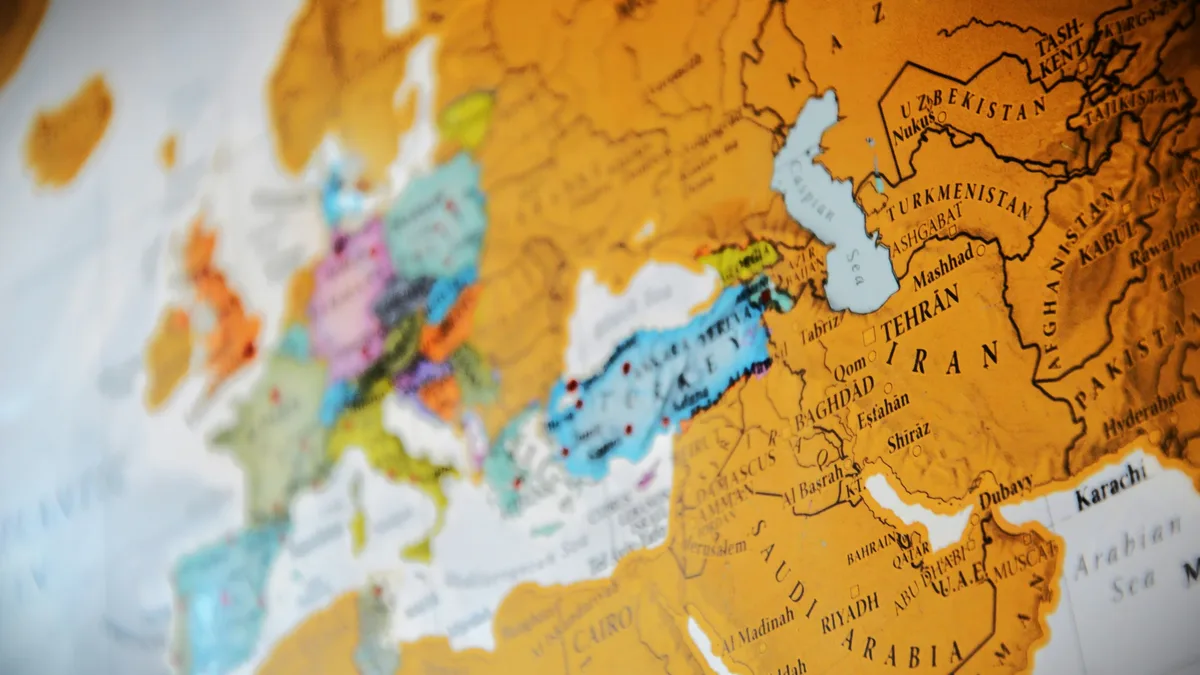
Iran convened the first high-level meeting of the Makkah Defence Alliance with Saudi Arabia, Turkey, and Pakistan in Tehran, aiming for regional unity and dialogue amid escalating Gulf tensions over the Strait of Hormuz.
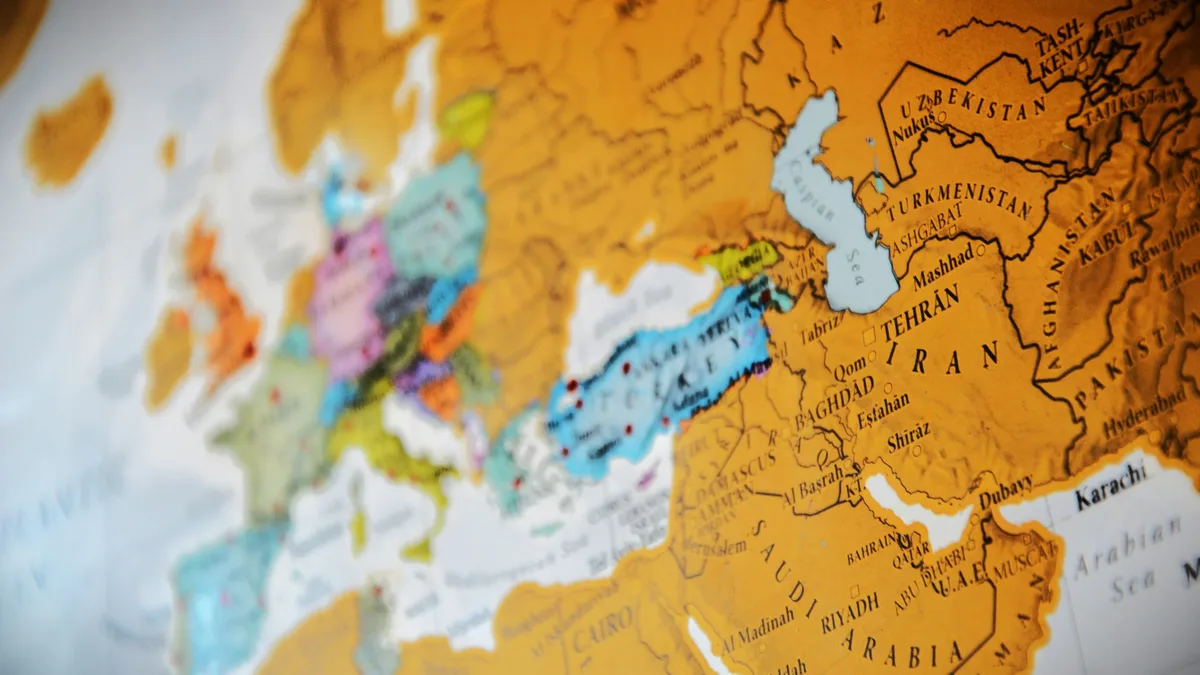
Iran hosted the first quadrilateral meeting of the Makkah Defence Alliance with Saudi Arabia, Turkey, and Pakistan in Tehran to discuss regional security and de-escalation. The meeting on Monday, October 26, 2026, brought together Saudi Defence Minister Prince Khalid bin Salman, Turkish intelligence chief Ibrahim Kalin, and Pakistan's Army Chief Field Marshal Asim Munir with Iranian President Masoud Pezeshkian. Rayed Krimly, Saudi Deputy Minister for Public Diplomacy, confirmed the visit as part of the Makkah Defence Alliance's efforts for de-escalation and diplomatic solutions.
Iran's Foreign Minister Abbas Araghchi and security chief Mohsen Rezaei also attended. The meeting was the first high-level contact between Iran and all members of the pact since Saudi Arabia was drawn deeper into the regional conflict. A joint statement confirmed the four countries agreed to continue dialogue to strengthen regional cooperation. The initiative for the talks was raised during Field Marshal Munir’s prior visit to Tehran.
Escalating regional conflict context
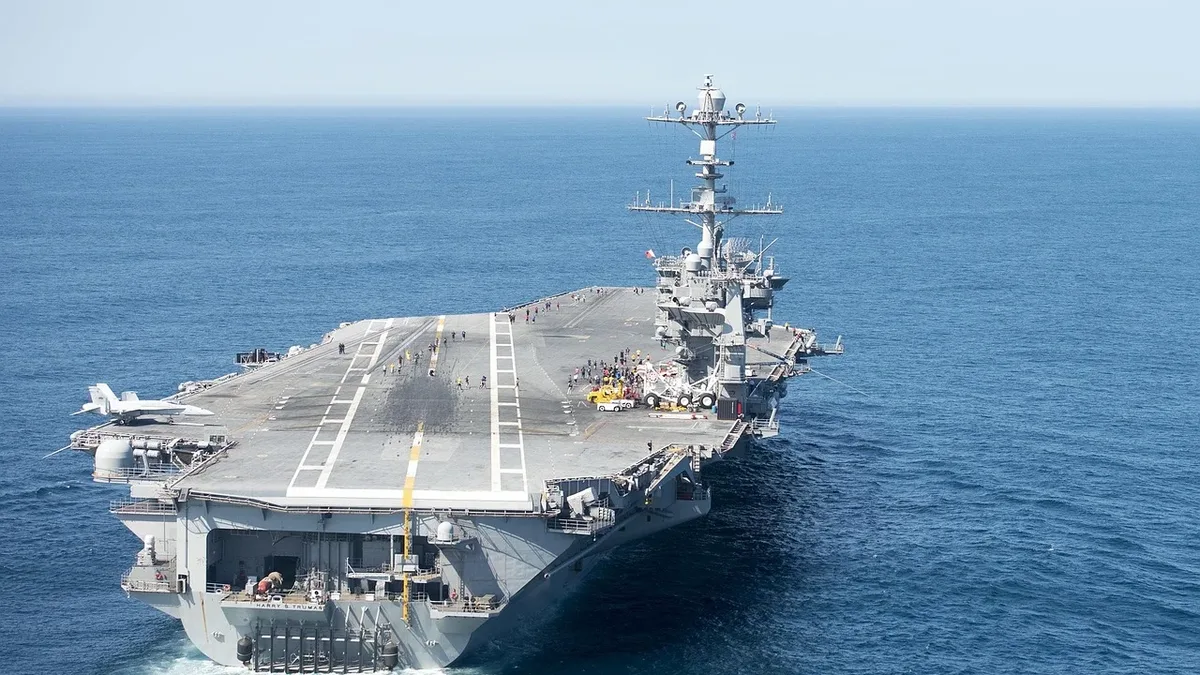
The war has spread to include fighting between Saudi Arabia and the Houthis in Yemen, who have attacked airports and oil facilities in Saudi Arabia. Iran claims control over the Strait of Hormuz and regularly targets vessels that attempt to cross without its authorisation. The United States has imposed a naval counter-blockade on Iranian ports.
Diplomatic efforts to resolve the crisis remain stalled since the collapse of a June deal which laid out a pathway to a permanent settlement. An April ceasefire ended the initial phase of intense bombardment, but the two sides have continued to vie for control of the Strait of Hormuz, a channel handling around a fifth of the world's oil and liquefied natural gas trade. Attacks by Houthis have spiralled in recent weeks, and rhetoric between Washington and Tehran has grown more heated.
Iran's regional security priorities
Iranian President Masoud Pezeshkian called for 'regional unity' at the meeting. Iran's state broadcaster reported the discussions focused on 'regional cooperation, the US-Israeli aggression against Iran and its consequences'. Pezeshkian condemned Israel's actions in Gaza and criticised the United States for claiming readiness for dialogue while attacking Iran.
Foreign ministry spokesperson Esmaeil Baghaei stated the meeting would cover the most pressing issues threatening the region, including developments in Palestine and Lebanon. He said the topic of top priority was the consequences of the U.S.-Israeli aggression against Iran. Ali Bagheri Kani, deputy secretary of Iran's top security body, stated the visit was part of efforts to implement the idea of endogenous security in West Asia.
Baghaei elaborated on several Iranian positions. On the Saudi-Yemen conflict, he said the dispute should be resolved between the two countries and reiterated Tehran’s readiness to help. He stated military approaches complicate problems. He accused the American side of not being serious about negotiations, recalling that Trump expressed support for talks shortly before U.S. strikes on Iran in June 2025.
Baghaei said Iran never possessed or sought nuclear weapons and accused Washington of using allegations about its nuclear program to justify military action. He confirmed a Qatari delegation recently visited Tehran on bilateral ties and mediation. President Pezeshkian urged regional countries to focus on shared interests and called for greater economic cooperation to help nations withstand external pressure.
Masoud Pezeshkian said, "I hope that the presence of representatives of important and influential Islamic countries at this meeting will help further consolidate regional unity and cohesion." He added, "Muslims are brothers to one another and must stand together as a united front against threats and actions targeting Muslim nations."
The meeting was held under the Makkah Joint Defence Agreement signed in August among Pakistan, Saudi Arabia, and Turkey, where an armed attack on one member is considered an attack on all. Baghaei said holding this meeting can be a prelude to shaping endogenous security, emphasizing that regional security must be ensured by the will of regional countries themselves.