Makkah Defence Alliance Engages Iran in High-Stakes Talks
Senior officials from Saudi Arabia, Pakistan, and Turkey will meet Iranian leaders in Tehran on Monday, October 27, 2024, in a bid to de-escalate regional tensions under their new joint defence pact.
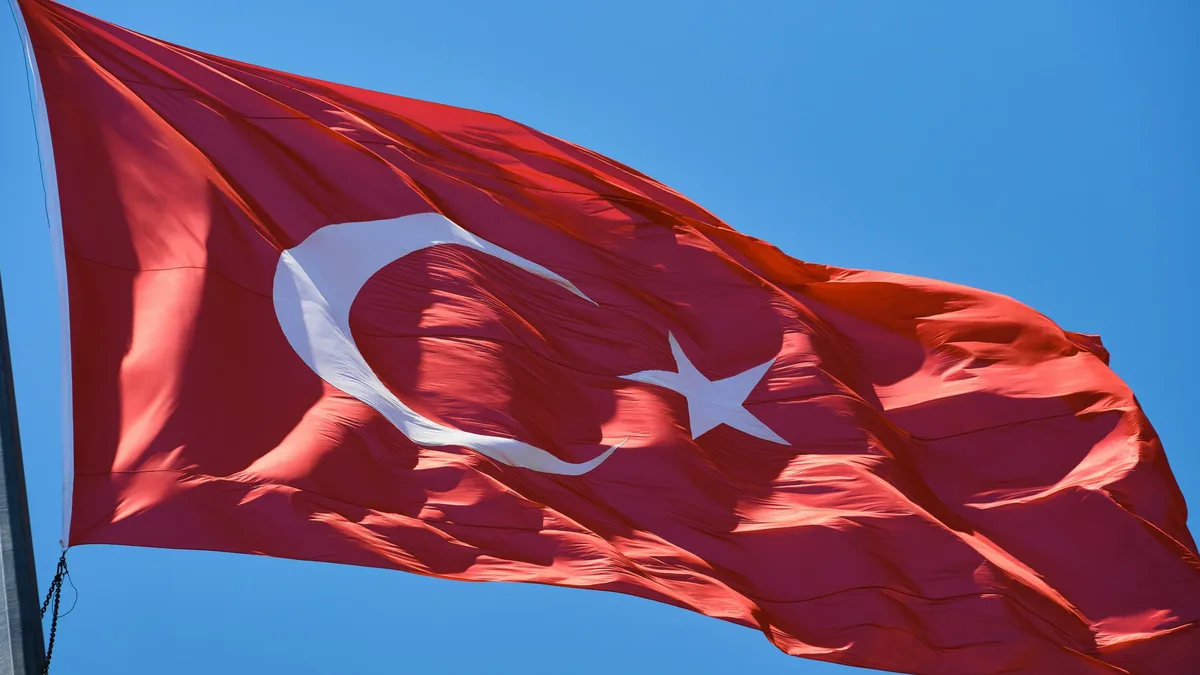
Senior officials from Saudi Arabia, Pakistan, and Turkey will travel to Tehran on Monday, October 27, 2024. This marks the first high-level joint engagement between these three nations and Iran since Houthi attacks intensified regional tensions. The visiting dignitaries include Saudi Defence Minister Prince Khalid bin Salman, Turkish intelligence chief Ibrahim Kalin, and Pakistan’s Chief of Defence Forces, Field Marshal Asim Munir. They are scheduled to meet Iranian President Masoud Pezeshkian and security chief Mohsen Rezaei. The meeting is the first high-level contact between Iran and all members of the three-nation bloc since Saudi Arabia became a pressure point in the wider conflict.
Pakistan initiated the meeting during army chief Field Marshal Asim Munir's visit to Tehran last week. The suggestion was reviewed favourably by Tehran. The talks occur at a critical moment, as regional conflicts risk escalating into a broader confrontation. The war, which began in late February, has spread to include fighting between Saudi Arabia and the Houthis in Yemen. Saudi Arabia intercepted another wave of missiles and drones on Sunday.
Security alliance framework
The meeting occurs under the Makkah Joint Defence Agreement signed in August. This pact obligates members to consider an armed attack on one as an attack on all. Its first article requires parties to use 'all necessary means' to eliminate threats to territorial integrity and sovereignty.
Efforts to ratify the agreement are advancing. Turkey's parliament began the process last week, and Pakistan approved the pact last week. Ministers from the Makkah Pact countries held an emergency meeting in Riyadh earlier this month. They agreed to ensure the rapid deployment of military forces and capabilities in Saudi Arabia.
Regional security priorities
Discussions will focus heavily on the consequences of US-Israeli actions. Iran’s foreign ministry spokesperson Esmaeil Baqaei said the meeting would cover Israel’s expansionist policies, developments in Palestine and Lebanon, and the repercussions of US-Israeli aggression against Iran. That topic is the top priority on the agenda.
Iranian officials have set clear preconditions for broader talks. During Munir's visit last week, they told him Tehran would not hold talks with Washington until its demands were met. They stated the US must take the first steps to rebuild trust and that accepting Tehran’s seven-point proposal could restart negotiations.
Mediation and de-escalation efforts
The talks represent continued mediation initiatives. They are described as part of efforts by the Makkah Defence Alliance members for de-escalation, dialogue, and diplomatic solutions. These efforts support mediation by Qatar and Pakistan. A Qatari delegation met Iranian officials in Tehran on Sunday, continuing its role.
Saudi Deputy Minister for Public Diplomacy Rayed Krimly stated the meeting shows the Mecca Pact states' role in fostering regional security. He highlighted their commitment to diplomatic solutions and Qatar and Pakistan-led mediation. Earlier mediation produced an interim peace agreement in June, but that deal unravelled after fighting resumed.
The diplomatic landscape remains fraught. Tensions between Washington and Tehran have sharpened. An April ceasefire ended the initial phase of intense bombardment, but fighting continued over control of the Strait of Hormuz. Diplomatic efforts have been stalled since the June deal collapsed. Ali Bagheri Kani, deputy secretary of Iran’s top security body, said "the visit was part of efforts to implement the idea of endogenous security in West Asia."
The meeting's outcome will determine if this represents a first step toward establishing regional security mechanisms based on regional interests.