Democrats Seize Congress in 2024 Midterm Wave
Democrats won control of the Senate and House of Representatives in the 2024 midterm elections, flipping key Republican seats and reshaping the political landscape to challenge former President Trump's agenda.
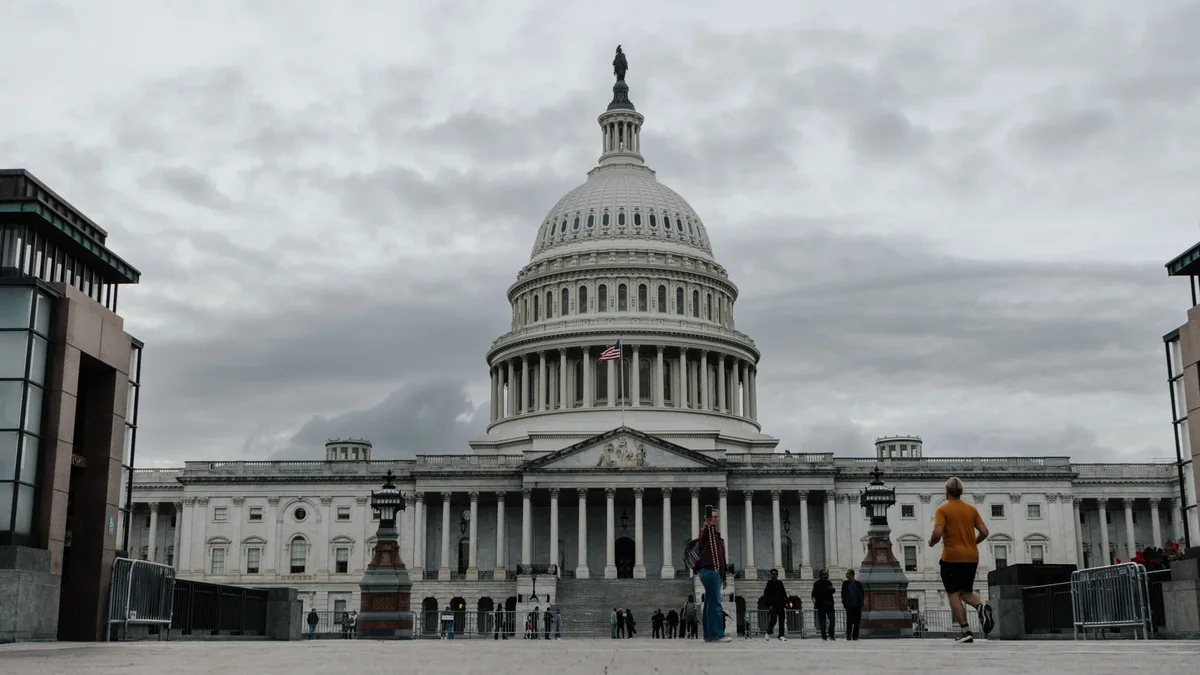
Democrats captured the Senate and House of Representatives in the 2024 midterm elections. This decisive shift ends Republican dominance and provides a majority to counter Trump's policies and appointments.
Democrats flipped seven Senate seats, including three in states held by Republicans for decades. The party gained six seats with victories in Kansas and Iowa marking the first Democratic Senate wins there in years. Republicans held a 53-47 Senate majority before the election, and the six-seat Democratic gain enabled a projected takeover. The Associated Press declared Democrats would hold the majority in Congress’s upper chamber before midnight. Less than two hours later, Democrats secured the House.
Voter sentiment played a clear role. Half of voters nationwide said the 2024 midterms were an opportunity to rebuke the president. Three-quarters of voters said they were 'angry' or 'dissatisfied' with the country's direction. Trump's approval rating hovered near career lows, with voters frustrated by war on Iran, higher fuel prices, and affordability concerns. Pre-election polls indicated Democrats were poised to win the House and possibly the Senate.
State leadership shifts
Historic firsts and state-level victories reshaped governorships and Senate representation across multiple states. Keisha Lance Bottoms became the first Black woman elected governor in U.S. history in Georgia. In Kansas, Adam Hamilton defeated Roger Marshall, becoming the first Democrat to win a Senate seat there in 94 years.
Dr. Annie Andrews defeated Darline Graham, ending Republican control of a South Carolina Senate seat for the first time in nearly 30 years. Abdul El-Sayed became the first Muslim senator in U.S. history after winning Michigan's open Senate seat. Xavier Becerra defeated Steve Hilton in California's governor race, becoming the first elected Latino governor of California. Becerra, a former U.S. Health and Human Services secretary, will replace term-limited Governor Gavin Newsom.
| State | Winner | Office | Notable Achievement |
|---|---|---|---|
| Georgia | Keisha Lance Bottoms | Governor | First Black woman elected U.S. governor |
| Kansas | Adam Hamilton | U.S. Senate | First Democrat elected from Kansas since 1932 |
| South Carolina | Dr. Annie Andrews | U.S. Senate | Ended 30 years of Republican control |
| Michigan | Abdul El-Sayed | U.S. Senate | First Muslim U.S. senator |
| California | Xavier Becerra | Governor | First elected Latino governor of California |
Other key results included Amy Acton's election as governor in Ohio despite a controversial attack ad campaign. James Talarico defeated Trump-backed Ken Paxton in Texas, breaking the party's 38-year losing streak in the state. Talarico said, "we defeated Goliath." Democrats also flipped Republican-held House districts in Pennsylvania, New Jersey, Kentucky, Arizona, and North Carolina.
Trump's political response
Trump acknowledged election results while signaling intent to obstruct Democratic initiatives. He told reporters he was absolutely willing to accept the midterm results. "I am absolutely willing to accept those results," Trump said. Yet he also posted a picture of a red 'VETO' baseball cap on social media.
Trump claimed he was not on the ballot and said he would have won in a landslide if he was. His handpicked candidates in Texas, South Carolina, and North Carolina lost their bids. The Democrats’ win was showed by Republicans’ historic losses across the country. Hakeem Jeffries declared Trump's MAGA movement 'on the run from sea to shining sea'.
The Justice Department deployed 1,000 election monitors across all 50 states, the largest monitoring effort in history. Democrats criticized the monitoring effort as potential voter intimidation. More than 124 million Americans voted in the midterm elections, with a turnout rate of 49.42 percent among eligible voters. That rate was the second-highest since 1914, slightly lower than the 50.5 percent turnout in 2018. Democrats will leverage Senate control to advance policy initiatives while facing Trump's veto threats.