Bilawal Bhutto-Zardari Blames PTI for KP Emergency in Assembly Debate
PPP Chairman Bilawal Bhutto-Zardari told the National Assembly on October 14, 2026, that the PTI's Khyber Pakhtunkhwa government carried out a 'political suicide attack' on itself, creating the conditions that forced federal emergency rule. He urged renewed dialogue, warning emergency rule cannot be sustained forever.
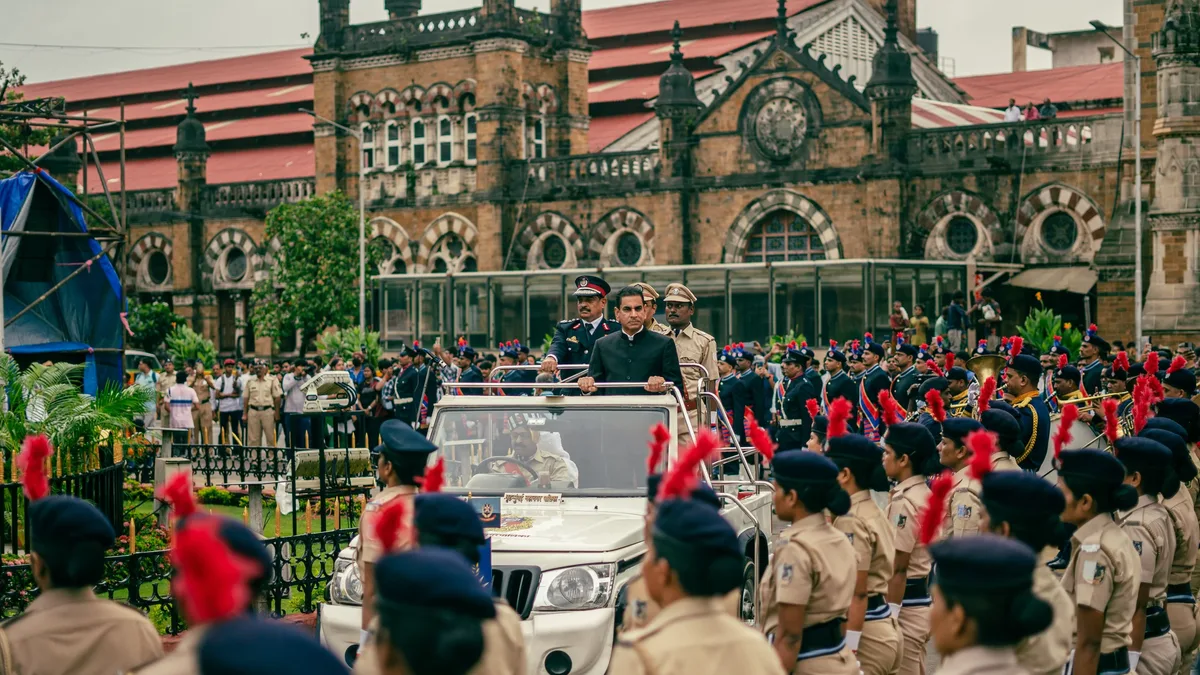
Bilawal Bhutto-Zardari addressed the National Assembly on Wednesday, October 14, 2026, as it debated the federal government's imposition of emergency and governor's rule in Khyber Pakhtunkhwa province. The PPP chairman asserted the Centre tried its best to engage the opposition before taking the constitutional step, suspending the assembly's question hour for the discussion.
Bilawal Bhutto-Zardari stated that emergency and governor’s rule in KP were measures taken under the Constitution, specifically referencing Article 232. He described the imposition as a 'political atom bomb' and said the federal government held lengthy negotiations with the opposition beforehand. "Before using this constitutional atomic bomb, we must engage with PTI and the opposition," he emphasised, outlining the PPP's stance that dialogue should have been exhausted first.
PPP chairman accuses PTI of self-inflicted political crisis in KP
Bilawal Bhutto-Zardari blamed the PTI's provincial leadership for the crisis. He said the PTI was willing to declare areas in KP with surging terrorism as 'terrorist areas', and that a pact on joint counterterrorism efforts was nearly agreed. He argued the PTI's actions left no legal or political reason to avoid imposing emergency. "The PTI itself carried out a political suicide attack on its KP government," he stated. If this was not a political suicide, then what else was it?
He recalled alleged remarks by the now non-functional KP Chief Minister Sohail Afridi that he would not combat terrorism the way the Centre wanted. Bilawal claimed the KP government was not extending adequate cooperation, making a federal response necessary. He argued the PTI could not shift responsibility. We are responsible for this, but you cannot deny that you are also responsible for it, he told opposition benches.
Bilawal noted that emergency was 'always a stopgap measure' and could not be sustained forever. He warned that restricting political space for one party limits it for all. He recommended the federal government extend its hand once again for negotiations to find a middle path. We cannot sustain the emergency forever, he added.
Law Minister Tarar defends emergency as national security necessity
Law Minister Azam Nazeer Tarar opened the debate, defending the emergency as a response to a grave threat. Azam Nazeer Tarar said: Emergency was imposed in KP as the security situation there was becoming a threat to 'national security'. He cited internal disturbances and cross-border infiltrations as reasons.
Tarar explained that the federal cabinet examined material on provincial terrorism during its October 11 meeting before advising Prime Minister Shehbaz Sharif to recommend the emergency. He contended the security situation since the PTI government came to power on October 15, 2025, had become an alarming national security threat. He noted parliamentary approval is required under Article 232, and expressed gratitude to the speaker for enabling dialogue.
Opposition response and broader political context
While opposition members initially sat calmly without protest, broader political reactions emerged. Senator Faisal Vawda held a news conference in Islamabad, criticising the PTI-led government in Khyber Pakhtunkhwa. He claimed the PTI had fallen apart and its political show was over, urging its leaders to form a new party or join another platform.
In his assembly speech, Bilawal Bhutto-Zardari also framed the security challenges as complex, accusing India of sponsoring terrorist incidents in Pakistan through groups like the TTP. He concluded by emphasising the need for consensus on fundamental issues, directly appealing to the opposition. Even today, we are saying, come and at least begin from this house, he said.