Singapore and Indonesia deepen cooperation on haze and energy
Singapore and Indonesia have established a joint task force and ministerial hotline to address transboundary haze and energy supply tensions, following high-level talks in Bogor.
Singaporean and Indonesian officials met on October 22, 2023, at President Prabowo Subianto's residence in Bogor to address transboundary haze and energy supply challenges. The meeting, which included Singapore's Foreign Minister Vivian Balakrishnan and his Indonesian counterpart Arrmanatha Nasir, aimed to resolve escalating bilateral tensions. Both sides committed to resolving issues at the highest political level. They agreed to establish a joint task force to hold companies accountable for forest fires and a ministerial-level hotline for communication. Balakrishnan stated that governments must secure essential supplies for their populations, emphasizing that domestic priorities and regional cooperation can coexist.
Haze crisis intensifies regional air pollution concerns
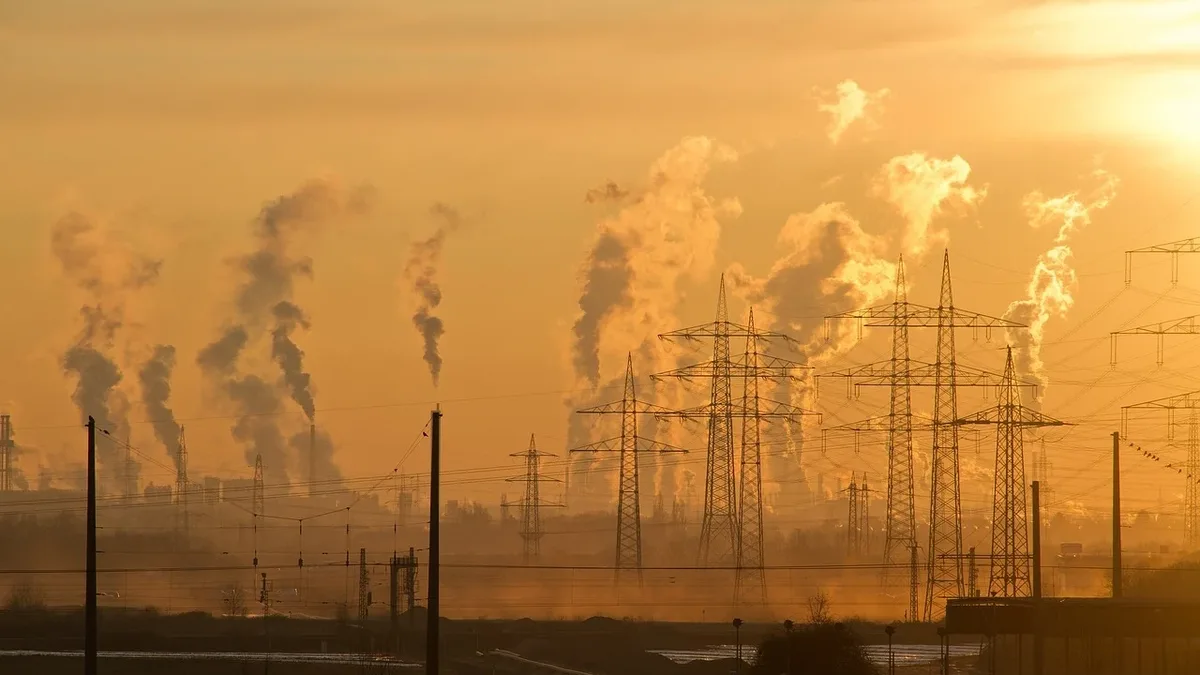
The ongoing haze emergency has pushed Singapore to hazardous air pollution levels, the worst in over a decade, prompting joint accountability measures. Addressing the haze is a top national priority for President Prabowo, according to Arrmanatha Nasir. The problem has persisted in Southeast Asia for nearly three decades. Singapore is exploring stronger legislative tools under its Transboundary Haze Pollution Act to sustain pressure on responsible companies even after the haze passes. The new joint task force will investigate firms linked to fires in Borneo and Sumatra. Vivian Balakrishnan said the episode highlighted the need for constructive cooperation despite political sensitivities.
Energy supply tensions emerge amid gas export reductions
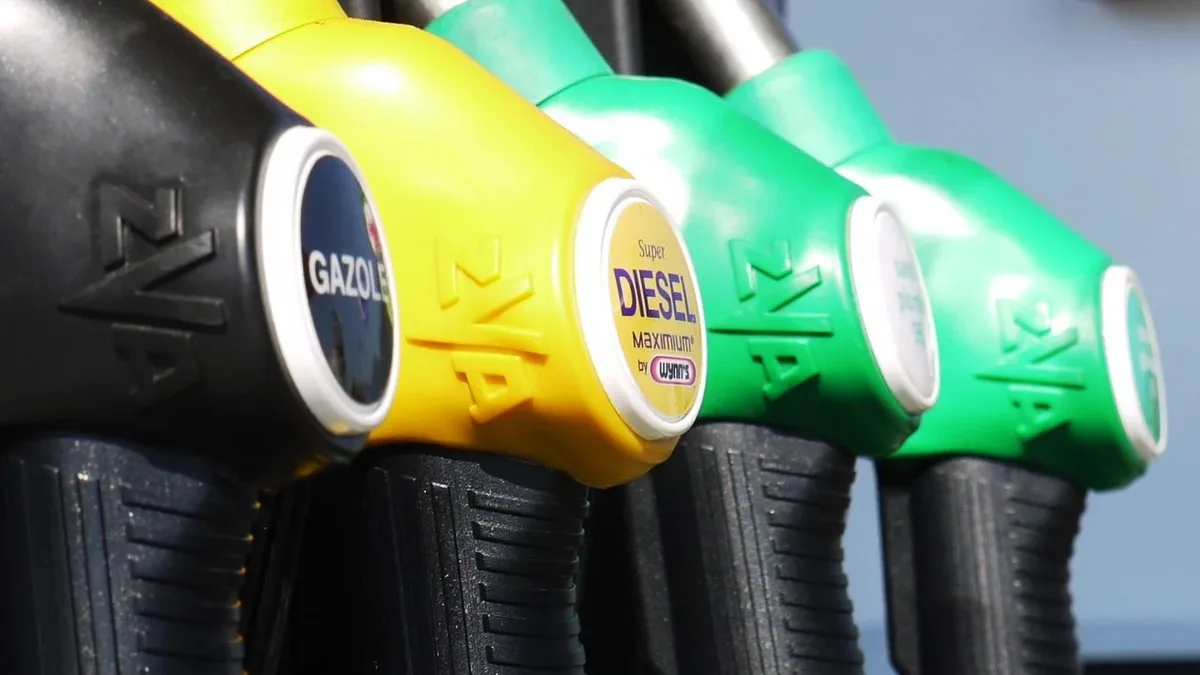
Indonesia reduced gas exports to Singapore by 31 million standard cubic feet per day starting October 24, 2023, while affirming contractual compliance and domestic prioritization. The cut amounts to 17 billion British thermal units per day over 18 days, equivalent to less than 2 percent of Singapore's daily gas demand. Indonesia's Energy Minister Bahlil Lahadalia stated the 9 percent reduction was within contractual limits, taken to meet domestic electricity needs. Singapore expects parties to honor their commitments and has sufficient supplies, with its importer ready to increase liquefied natural gas imports if needed. Both nations reaffirmed the sanctity of contracts, which are due to expire at the end of 2028.
Singapore is approaching the situation from a position of strength. It has diversified energy sources and developed LNG terminals. The country is also exploring strategic oil storage with Saudi Arabia. Indonesia is reviewing plans to export low-carbon electricity to Singapore, with six conditional licences granted for projects totaling 3 gigawatts capacity. Minister for Energy, Trade and Industry Tan See Leng noted that countries may prioritize domestic needs during energy crunches, raising concerns about resource nationalism.
Joint task force and hotline established for accountability and communication
Singapore and Indonesia agreed to create a joint task force to hold companies accountable for forest fires and establish a ministerial-level hotline for dispute resolution. The commitment was finalized following a meeting between Vivian Balakrishnan and President Prabowo Subianto at his private residence in Hambalang, Bogor, on October 28. The hotline is designed to handle future differences. Arrmanatha Nasir, who took office on October 1, described the bilateral relationship as mature enough for candid dialogue. He said, "What matters is not what we differ, but how we resolve our differences constructively, respectfully, and openly."
Broader cooperation continues. Singapore has been Indonesia's largest source of foreign direct investment since 2014, with investments reaching US$17.4 billion in 2025. The two nations will mark 60 years of diplomatic relations in 2027, when Singapore will chair ASEAN. A Leaders' Retreat in July yielded 26 agreements across economic, defence, and environmental areas. Balakrishnan stated Singapore is prepared to deepen ties before the 2027 ASEAN chairmanship. The region faces growing energy demand from data centers and artificial intelligence, making cross-border cooperation critical. The proposed ASEAN Power Grid is cited as an example of beneficial regional integration. Vivian Balakrishnan said, "It sets the political commitment on both sides to do what is necessary, and now we’ll have to implement those plans, execute that commitment." The joint task force will identify and hold accountable companies linked to forest fires causing transboundary haze, with implementation to be coordinated through the newly established ministerial hotline.