Pakistan cuts fuel prices for fourth consecutive day
The government reduced petrol by Rs9.41 and diesel by Rs5.56 per litre effective November 6, continuing a streak of daily price cuts under a new daily pricing mechanism managed by Ogra.
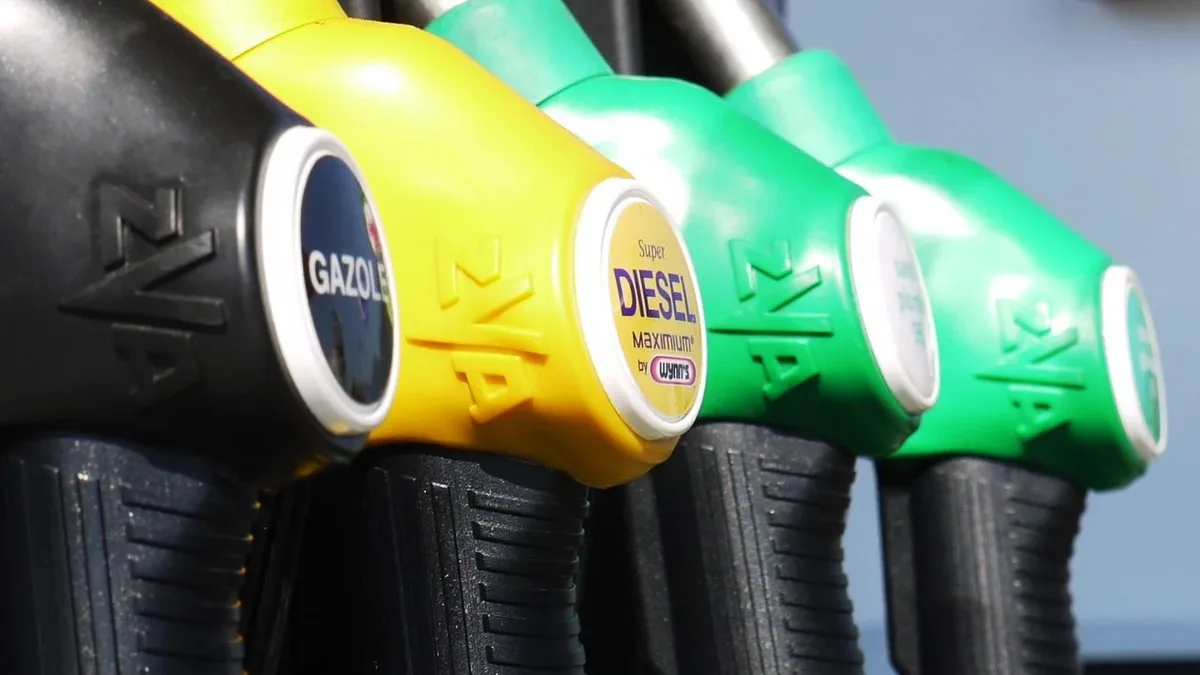
The government has slashed petrol and diesel prices for the fourth consecutive day, with new rates effective November 6. Petrol price was reduced by Rs9.41 per litre to Rs352.59, while high-speed diesel was cut by Rs5.56 per litre to Rs382.25. The Oil and Gas Regulatory Authority (Ogra) issued the notification for this revision under the petroleum products pricing mechanism approved by the federal government.
This marks the fourth straight reduction, bringing the cumulative decrease since Monday to Rs25.32 for petrol and Rs20.71 for diesel. The previous day, on November 5, petrol was reduced by Rs7.06 and diesel by Rs3.71 per litre. Fuel prices had peaked earlier in the year, with petrol reaching Rs458.41 and high-speed diesel hitting Rs520.35 on April 3.
Daily pricing mechanism replaces weekly reviews
Pakistan is moving towards a daily mechanism for reviewing petroleum prices. The shift, announced by the petroleum minister on July 17, replaced the weekly pricing system. It allows for immediate response to international market fluctuations. Ogra now displays daily petroleum price updates on its official website. The cabinet and prime minister decided to give Ogra responsibility for daily fuel price decisions based on international market trends. Petroleum Minister Ali Pervaiz Malik stated that "efforts were being made to introduce a similar system for liquefied petroleum gas (LPG)."
This change followed an earlier move from a fortnightly to a weekly review system on February 28. That shift coincided with an escalation in Middle East conflict, when Israel and the United States launched attacks on Iran. Iran subsequently shut the Strait of Hormuz, a channel previously handling around 20 per cent of global energy shipments.
Targeted relief measures ease burden on transport users
A special relief scheme announced on September 13 provides direct subsidies to specific transport users. Prime Minister Shehbaz announced the scheme to alleviate the burden of rising global oil prices for users of motorcycles, autos, and vehicles up to 800cc. It offers Rs100 per litre off petrol.
The scheme covers approximately 11.8 million beneficiaries. The breakdown of recipients and their monthly relief is as follows:
| Vehicle Type | Number of Users | Litres per Month | Maximum Relief per Month |
|---|---|---|---|
| Two-wheelers | 10 million | 20 | Rs2,000 |
| Three-wheelers | 800,000 | 20 | Rs2,000 |
| Cars (up to 800cc) | 1 million | 30 | Rs3,000 |
This was part of targeted relief measures first announced in April to provide subsidised fuel.
Revenue and market dynamics shape policy decisions
Petrol and high-speed diesel are major revenue earners for the government. Monthly sales range between 700,000 to 800,000 tonnes for these fuels, compared to just 10,000 tonnes for kerosene. The government levies Rs114 per litre in taxes and duties on petrol and Rs100 per litre on diesel.
Global market volatility directly influences domestic pricing. On Thursday, Brent crude futures rose $2.19 to $96.81 per barrel, while US West Texas Intermediate crude futures rose $1.32 to $89.44. This increase was attributed to investor concerns about a US-Israeli war with Iran following midterm elections.
To enable consumer price reductions, a temporary arrangement with oil refineries was made. Refineries will bear a cumulative impact of Rs15 billion for 30 days, which allowed for a Rs14.71 reduction in petrol price at the consumer end. This arrangement means petrol is currently sold Rs15 cheaper than global market prices.
Concurrent austerity measures have been reintroduced in response to the economic pressure. Since September 17, markets have been required to close by 9pm weekly. This applies to shops, malls, bazaars, and grocery stores. Marriage halls and commercial venues must close by 10pm, while restaurants and cafes can operate until 11pm. Takeaway and home delivery services are exempt from these timing restrictions. Furthermore, fuel allocations for official vehicles have been cut by 50% for three months.
The government will continue daily fuel price adjustments as part of its strategy to manage inflation and public welfare amid ongoing global instability.