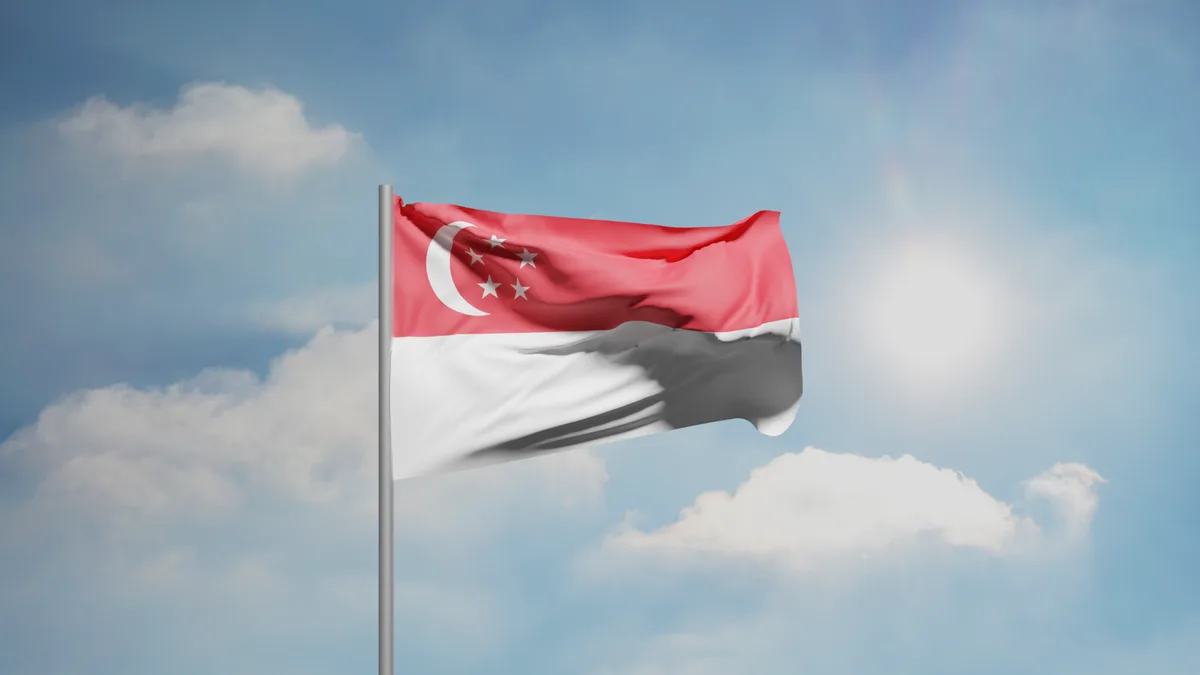
Singapore
| Official name | Republic of Singapore |
|---|---|
| Capital | Singapore |
| Official languages | English, Malay, Mandarin Chinese, Tamil |
| Government | Unitary parliamentary republic |
| Head of state | President |
| Head of government | Prime Minister |
| Currency | Singapore dollar (SGD) |
Overview
Singapore is a sovereign city-state and island country located in Southeast Asia, situated at the southern tip of the Malay Peninsula. It is a global hub for finance, trade, logistics, and transportation, known for its highly developed market economy. The nation's political system is a unitary parliamentary republic with a Westminster system of unicameral parliamentary government, though it has been dominated by a single political party since independence. Its legal system is based on English common law but incorporates significant local statutes and, for certain matters, Islamic law for the Muslim minority. Singapore is densely populated and highly urbanized, with a multiracial and multicultural population primarily of Chinese, Malay, and Indian descent. The state is characterized by its strategic port, extensive foreign investment, and a strong emphasis on political stability, economic planning, and social order.
History
Modern Singapore was founded as a British trading colony in 1819 by Sir Stamford Raffles of the British East India Company. Prior to this, the island was home to a small Malay settlement and was part of the Johor Sultanate, with a history as a trading port dating back to the 14th century. It became a crown colony of the British Empire in 1867 and grew in importance due to its strategic location along major shipping routes. Singapore was occupied by Japanese forces during World War II from 1942 to 1945, an event that fundamentally altered colonial perceptions and accelerated the desire for self-governance. The country gained full internal self-government from Britain in 1959, briefly joined the Federation of Malaysia in 1963, and then became a fully independent republic on 9 August 1965. Its post-independence history under the leadership of the People's Action Party has been defined by a concerted national effort to ensure economic survival and build a cohesive society from a diverse immigrant population.
How it works today
Singapore operates as a parliamentary republic where the President is the head of state and the Prime Minister, the head of government. The unicameral Parliament is the legislative body, with most members elected from single-member or group representation constituencies, and a number of appointed members. The executive authority of the state is vested in the Cabinet, led by the Prime Minister, which is responsible for all government policies and the day-to-day administration of the state. The legal and regulatory framework is notably comprehensive and strictly enforced, covering areas from business conduct and public cleanliness to security and media content. Economic management is characterized by active state intervention through sovereign wealth funds and government-linked corporations, alongside a strong commitment to free trade and open markets. The state maintains a significant role in housing, with over 80% of the resident population living in publicly built Housing Development Board (HDB) flats, and in mandatory savings through the Central Provident Fund (CPF) for retirement, healthcare, and housing.
Why it matters
Singapore's success as a small, resource-scarce nation demonstrates a model of rapid economic development and urban planning that is studied globally. The country's political stability and predictable legal environment have made it a major destination for foreign direct investment and a regional headquarters for multinational corporations. Its approach to multiracialism and social harmony, managed through strict laws and active policies, offers a case study in building a national identity from diverse ethnic communities. Singapore's foreign policy, which emphasizes neutrality and maintaining good relations with all major powers, gives it a diplomatic influence disproportionate to its size in regional forums like ASEAN. Furthermore, its public housing and compulsory savings systems are often referenced as innovative social policies that have contributed to high homeownership rates and financial security.
Common misconceptions
A common misconception is that Singapore's laws are excessively punitive across all domains, whereas many of its regulations are comparable to other developed nations, though enforcement is notably consistent and certain specific statutes are strict. It is often incorrectly described as a purely authoritarian state without popular support, ignoring the consistent electoral victories of the ruling party and the social contract that trades certain political freedoms for economic security and efficiency. Another misconception is that Singapore's economic model is purely laissez-faire capitalism, when in reality it involves substantial government planning and ownership in key sectors through state-owned enterprises. Many believe Singapore lacks any cultural depth or history prior to colonialism, overlooking its centuries-old role as a regional trading post and the rich traditions of its Malay, Chinese, Indian, and Peranakan communities. The perception that Singapore is socially sterile or uniformly wealthy obscures the significant income inequality, debates over the cost of living, and the vibrant grassroots cultural scenes that exist. Finally, it is a mistake to view its governance as a static model easily replicable elsewhere, as its policies are deeply contextual, relying on its unique geographic, historical, and demographic circumstances.
Latest Singapore news
Latest reporting
Singapore sets boundaries for artistic expression on conflicts
Senior Minister of State Tan Kiat How states artists can express humanitarian concerns over conflicts like Israel-Gaza but must not undermine public...
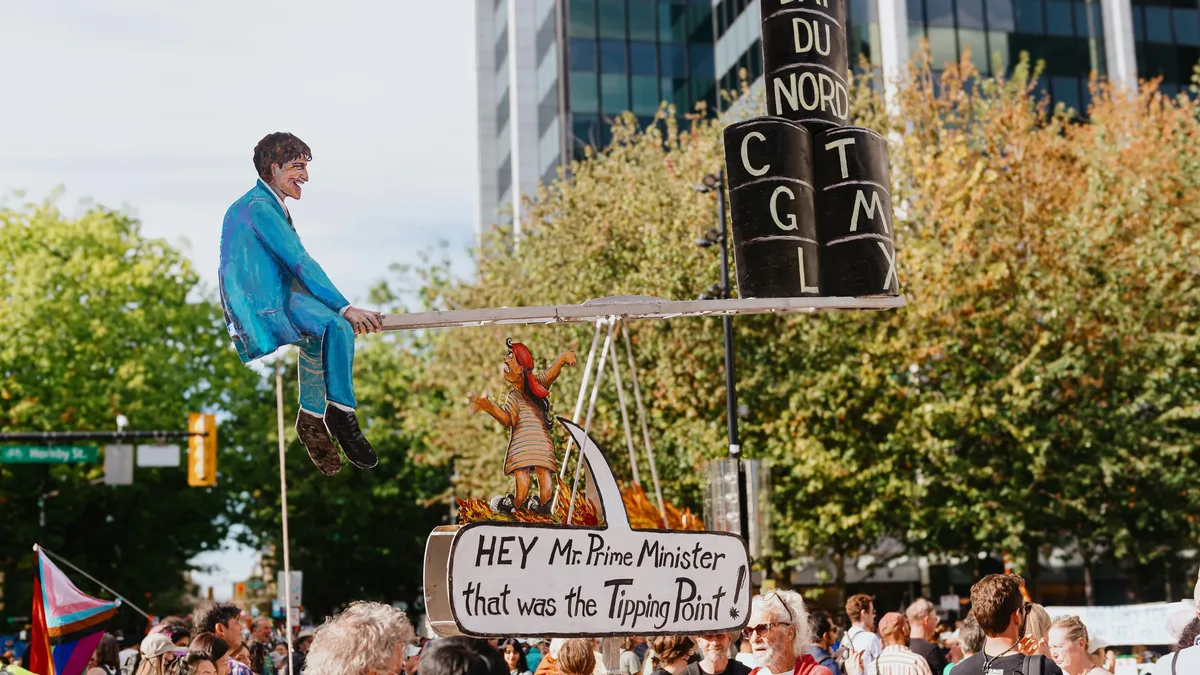
Singapore PM Wong links higher political pay to attracting capable leaders
Prime Minister Lawrence Wong told parliament that raising ministerial salaries is necessary to persuade capable individuals from the public and...
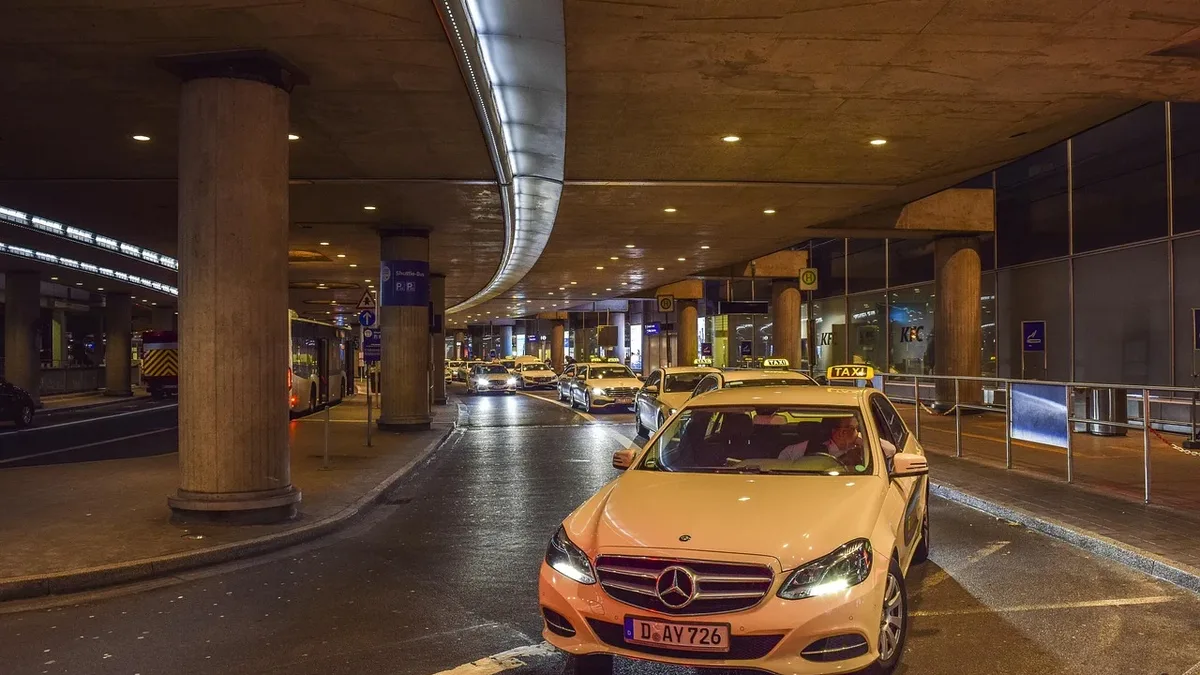
Private-hire driver fined for touting
A Singapore court fined a private-hire driver S$650 for loitering at a HarbourFront Centre taxi stand to solicit passengers without a booking.
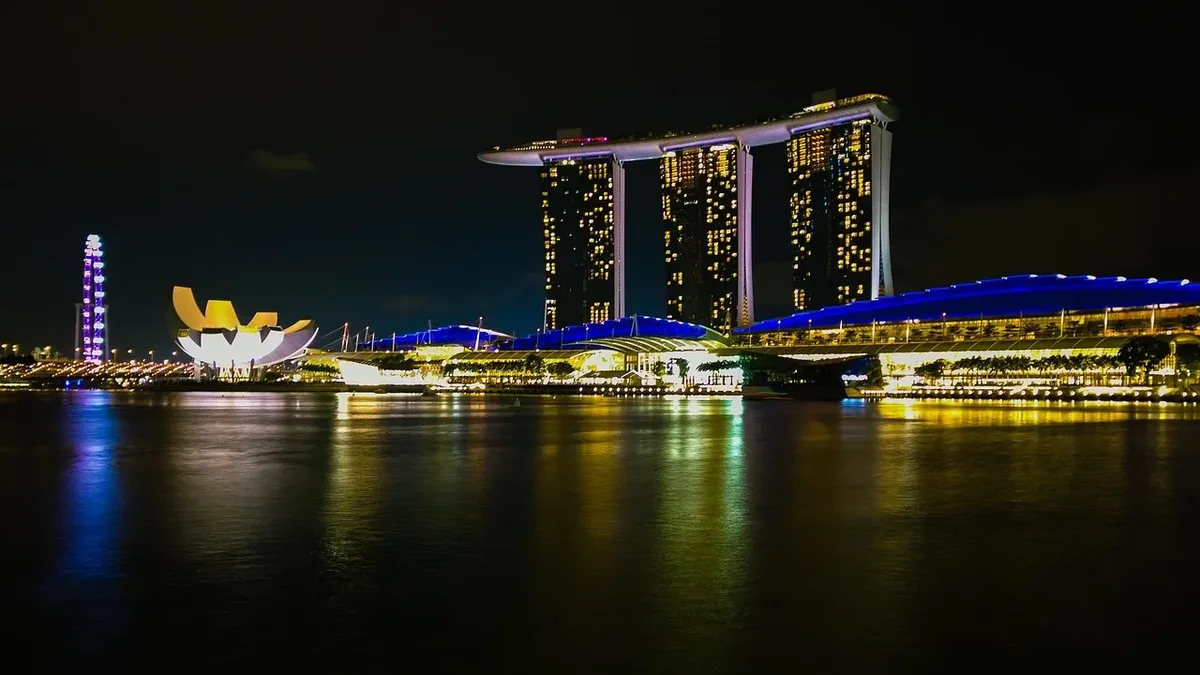
Singapore to auction forfeited assets from S$3 billion laundering case
Over 1,000 luxury items and 80 properties seized in Singapore's S$3 billion money laundering case will be auctioned from September 2026.
Singapore's Israel Tightrope
Singapore's relationship with Israel is complex and delicate, balancing historical gratitude with a commitment to international law and a two-state...