Election Commission Of India
| Founded | 25 January 1950 |
|---|---|
| Headquarters | Nirvachan Sadan, New Delhi |
| Governing body | Constitution of India |
| Chief authority | Chief Election Commissioner |
| Primary function | Conducting elections to Lok Sabha, Rajya Sabha, State Legislative Assemblies, and offices of President and Vice-President |
| Where it applies | Republic of India |
Overview
The Election Commission of India is a permanent, autonomous constitutional authority responsible for administering electoral processes in the Republic of India. Its primary mandate is to conduct free and fair elections to the national parliament, state legislatures, and the offices of the President and Vice-President. The Commission operates as a central institution for superintendence, direction, and control of the entire electoral machinery, from voter registration to the declaration of results. It is vested with extensive powers to enforce the Model Code of Conduct, recognize political parties, and delimit constituencies. The Commission's structure is multi-member, typically consisting of a Chief Election Commissioner and two Election Commissioners, though the number can be varied by the President of India. Its decisions are subject to judicial review, but it maintains significant operational independence in its constitutional domain.
History
The Election Commission of India originates from the constitutional framework of independent India, established shortly after the country gained independence from British rule. It was formally constituted on January 25, 1950, one day before India became a republic, under the provisions of Article 324 of the Constitution of India. The founding of the Commission was a direct response to the need for a neutral body to manage the enormous logistical challenge of conducting elections in a vast, nascent democracy with universal adult suffrage. Its first major task was supervising the first general elections of 1951-52, which remains one of the largest democratic exercises ever undertaken. Initially a single-member body, the Commission was expanded to a multi-member body in 1989, then reverted to a single-member system, before being made a permanent three-member body in the early 1990s following a constitutional amendment. Throughout its history, the Commission has evolved its procedures and technological systems to enhance the integrity and inclusivity of the electoral process.
How it works today
Today, the Election Commission of India functions as a robust institution leveraging technology and a vast network of officials to manage elections. It operates through a decentralized structure, working in coordination with state-level Chief Electoral Officers and district-level election officers to implement policies on the ground. The Commission utilizes a sophisticated Electronic Voting Machine (EVM) system, coupled with Voter Verifiable Paper Audit Trails (VVPAT), for casting and counting votes, which has largely replaced paper ballots. Its comprehensive Electoral Roll Management System ensures continuous updating of voter lists, with provisions for online registration and corrections. The Commission actively enforces the Model Code of Conduct from the moment elections are announced, deploying central observers and expenditure monitors to ensure a level playing field. It also conducts extensive voter awareness and education programs to increase electoral participation and works to ensure accessible polling for all eligible citizens, including those in remote areas.
Election Commission Of India yojana
The term "yojana" (scheme) is not typically applied to the Election Commission of India itself, as it is a regulatory and administrative body, not a beneficiary-oriented government scheme. However, the Commission administers several critical programs and initiatives that function as systematic frameworks for electoral governance. The flagship initiative is the Systematic Voters' Education and Electoral Participation (SVEEP) program, a comprehensive strategy to increase voter turnout and improve the quality of participation. Another key framework is the Electoral Roll Management project, which aims to build a complete, accurate, and permanent voter database. The Commission also oversees the implementation of the Model Code of Conduct, which is a voluntary regulatory scheme for political parties and candidates. Furthermore, it administers rules for the registration and recognition of political parties, including the allocation of symbols. These frameworks collectively ensure the structural integrity of the electoral process from preparation to conclusion.
Election Commission Of India eligibility
Eligibility in the context of the Election Commission of India primarily pertains to the criteria for voter registration and for candidacy in elections, as set by the Commission under relevant laws. To be eligible for voter registration, a person must be a citizen of India, at least 18 years of age on the qualifying date, and ordinarily resident in the constituency where they seek registration. The Commission has specific guidelines for the eligibility of non-resident Indian citizens and service voters. For candidacy, eligibility requirements include being a registered voter, meeting a minimum age criteria (25 years for legislative assemblies and parliament, 30 for legislative councils), and making a security deposit. The Commission also scrutinizes nomination papers to ensure candidates meet disqualification criteria outlined in the Constitution and Representation of the People Act, such as holding an office of profit, being of unsound mind, or being an undischarged insolvent. Specific rules govern the eligibility of candidates from recognized political parties versus independent candidates.
Election Commission Of India apply online
The Election Commission of India provides several online application portals for electoral services, primarily hosted through the National Voters' Service Portal (NVSP). Eligible citizens can apply online for new voter registration, shifting to a different constituency, or making corrections to existing details by submitting Form 6, 8, or 8A respectively. The process requires submitting scanned copies of proof of age, address, and other required documents through the portal. For overseas Indian citizens, a separate online facility exists for enrollment in the electoral roll. Political parties can apply online for registration with the Commission through a dedicated portal, submitting necessary documents and complying with the prescribed conditions. Furthermore, the Commission's website provides online access to forms for obtaining election-related certificates, such as the Elector Photo Identity Card (EPIC) duplicate. These digital services are designed to enhance accessibility and reduce the need for physical visits to electoral offices.
Election Commission Of India status check
Individuals can check the status of various electoral applications and processes through the Election Commission's digital platforms. On the NVSP portal or the Voter Helpline mobile app, users can track the status of their voter registration application by entering their reference number or basic details. The portal also allows citizens to search their name in the electoral roll by entering personal details and selecting their state and constituency. Candidates and political parties can check the status of nomination papers, symbol allocation applications, and other regulatory approvals through dedicated login-based portals provided by the Commission. The Commission publishes the status of election schedules, including the dates of notification, nomination, scrutiny, withdrawal, and polling, on its official website. Results of elections are also published in real-time on the website, with constituency-wise data and trends available for public viewing.
Election Commission Of India list
The Election Commission of India maintains and publishes several authoritative lists that are fundamental to the electoral process. The most critical is the electoral roll, a list of all eligible voters in every parliamentary and assembly constituency, which is periodically revised and available for public inspection online and at designated offices. The Commission publishes the list of recognized National and State political parties, along with the list of registered unrecognized parties. It maintains the final list of contesting candidates after the withdrawal of nominations for every election, which includes their party affiliation and allotted symbols. A list of constituencies, their delimitation details, and the number of polling stations is also publicly available. Furthermore, the Commission compiles and publishes detailed statistical reports for every general election, listing turnout data, results, and other analytics. These lists ensure transparency and provide the foundational data for all electoral activities.
Why it matters
The Election Commission of India matters fundamentally as the guardian of the world's largest democracy, ensuring the peaceful transfer of power through credible elections. Its impartial administration provides legitimacy to elected governments, reinforcing public faith in democratic institutions and processes. By enforcing rules on campaign finance and conduct, the Commission seeks to mitigate the influence of money and muscle power, aiming to create a fair competitive space for all political actors. Its continuous efforts to expand voter enrollment and accessibility have been instrumental in achieving increasingly inclusive participation across diverse social and geographic strata. The Commission's adoption and defense of technological solutions like EVMs are central to debates about electoral integrity, efficiency, and security. Its existence as an independent constitutional authority serves as a critical check within the political system, making it a cornerstone institution for the stability and continuity of Indian democracy.
Common misconceptions
A common misconception is that the Election Commission of India is part of the government of the day, whereas it is an autonomous constitutional body designed to function independently of the executive. Another frequent misunderstanding is that Electronic Voting Machines (EVMs) are connected to the internet and can be hacked remotely; in reality, EVMs used in India are standalone machines with no network connectivity, operating on a one-time programmable chip. Some believe the Commission has the power to disqualify candidates on criminal charges on its own, but its role is limited to enforcing the legal framework set by parliament, and disqualification typically follows a judicial conviction. There is also a misconception that the Model Code of Conduct is a legally binding statute; it is a set of voluntary guidelines agreed upon by political parties, though the Commission enforces it through moral sanction and administrative action. People often think the Chief Election Commissioner cannot be removed from office, but while removal is extremely difficult, it is possible through a process similar to the removal of a Supreme Court judge. Finally, many assume voter ID cards are the only valid proof for voting, but the Commission allows a range of alternative identity documents as specified in its guidelines.
Latest Election Commission Of India news
Latest reporting

India to release AI regulation consultation paper within a month
The Ministry of Electronics and IT will publish a consultation paper on AI governance within a month, focusing on safety and deepfakes while relying...
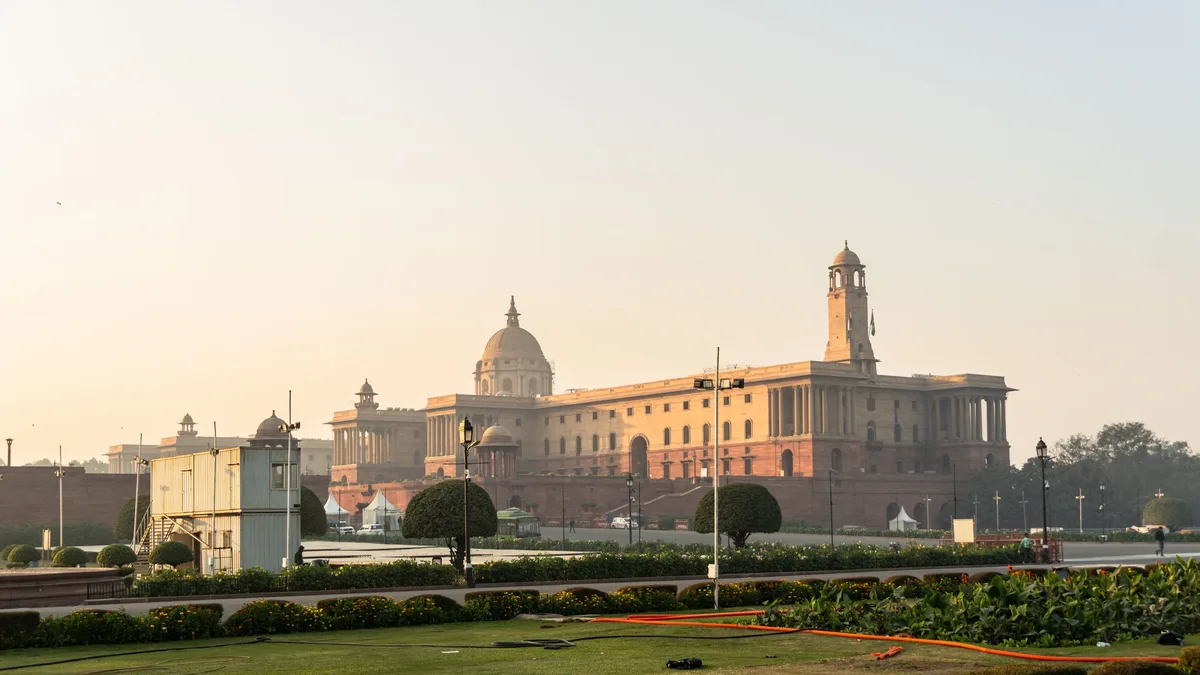
Modi urges global AI content identification standards at GSMA meeting
Prime Minister Narendra Modi called for global standards to identify AI-generated content and combat cyber fraud during a meeting with GSMA board...
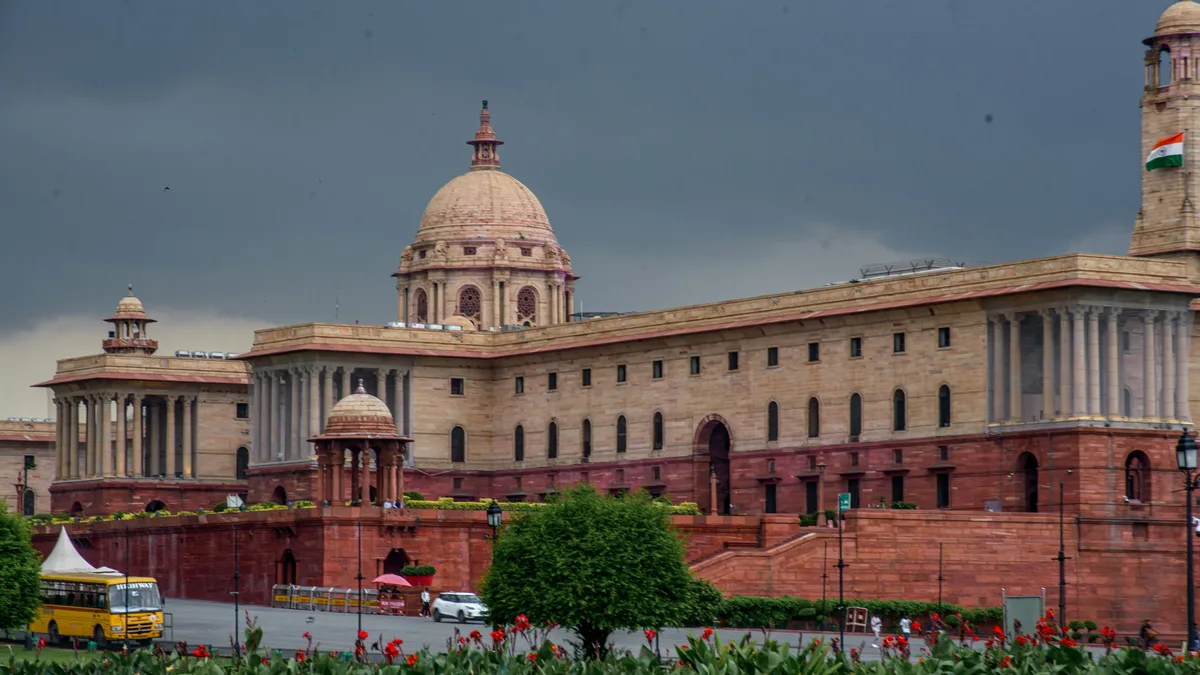
Election Commission of India rejects Opposition MPs meeting
The Election Commission of India has declined a request from over 300 Opposition MPs to meet at the Parliament House Annexe, citing a violation of...
DMK MP P Wilson Defends Judicial Consultation on One Nation One Election
DMK Rajya Sabha MP P. Wilson has defended a proposed informal consultation with the Chief Justice of India and Supreme Court judges on the One Nation...
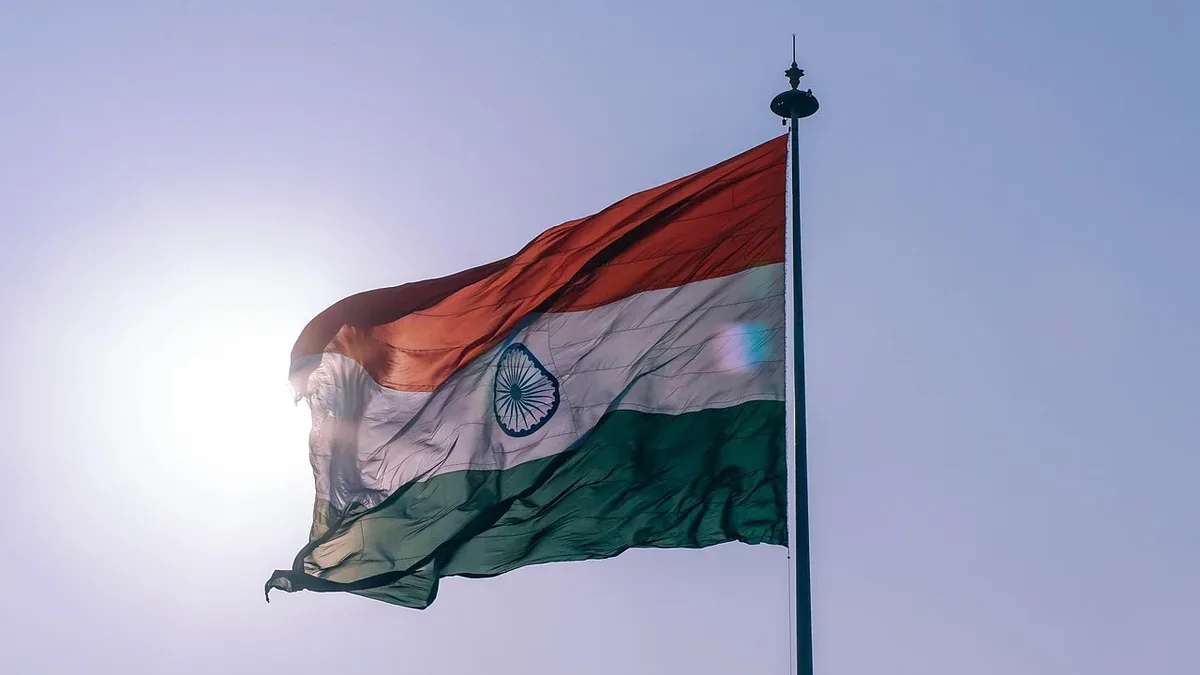
Trump falsely claims India held presidential election
Donald Trump incorrectly asserted that 125 million people voted in an Indian presidential election on October 4, 2026, a date that matches Brazil's...
AISA Alleges Police Misconduct in Neha Bora Detention
The All India Students' Association claims its national president was detained in a private vehicle without female officers during a protest.