Korea People Power Party
| Founded | 2020 |
|---|---|
| Headquarters | Yeouido, Seoul |
| Governing body | Party Congress |
| Political position | Centre-right to right-wing |
| Ideology | Conservatism, Liberal conservatism |
| Membership | Approximately 4 million (claimed) |
| Status | Major party, Ruling party (as of 2022) |
Overview
The People Power Party is a major conservative political party in South Korea. It is one of the two dominant parties in the country's political landscape, typically opposing the liberal Democratic Party of Korea. The party's platform traditionally emphasizes national security, a strong alliance with the United States, market-oriented economic policies, and social conservatism. It draws significant support from older generations, voters in the southeastern Yeongnam region, and the Protestant Christian community. The party plays a central role in the legislative process within the National Assembly, both when it holds the majority and as the primary opposition. Its ideological stance directly influences the types of bills it sponsors and its stance on legislation proposed by other institutions.
History
The People Power Party originates from South Korea, with its direct lineage tracing back to the conservative parties established in the late 1990s and early 2000s. It is the successor to a series of conservative parties, most immediately the Liberty Korea Party, which itself evolved from the Saenuri Party. The party's foundational political tradition stems from the conservative blocs that have existed since the democratization of South Korea in the late 1980s. A significant reorganization and rebranding occurred in 2020, leading to the party adopting its current name. This change was part of an effort to renew its image following a period of electoral setbacks and political scandals. The party's historical trajectory is marked by its advocacy for pro-business policies and a hardline stance towards North Korea throughout the decades.
How it works today
The party operates under a representative democratic structure with a National Convention serving as its highest decision-making body. This convention elects the party leader and other key officials, who then manage the central executive apparatus. The party maintains a strong presence in the National Assembly, where its assembly members form a negotiation bloc to coordinate legislative strategy and voting. Local chapters operate in cities and provinces across South Korea, handling grassroots organization and candidate selection for local elections. The party's platform and policy positions are developed through a combination of input from its think tanks, elected officials, and the central committee. Its daily operations and legislative agenda are heavily influenced by whether it holds the presidency or acts as the main opposition party, shaping its interactions with other political institutions.
Why it matters
The party's significance lies in its role as one of the two primary pillars of South Korea's competitive democratic system, providing a clear ideological alternative. Its control of the presidency or the National Assembly directly determines the direction of key national policies on foreign affairs, national security, and the economy. The party's stance is crucial for the passage of bills related to defense spending, relations with the United States and Japan, and regulatory reforms for businesses. As a major opposition force, it serves as a critical check on government power, utilizing legislative tools like investigations and filibusters to scrutinize the ruling party's agenda. Its electoral performance and internal stability are reliable indicators of the country's political climate and public sentiment. The party's policy decisions have long-term implications for South Korea's strategic positioning in Northeast Asia and its domestic social fabric.
Common misconceptions
A common misconception is that the party is a monolithic entity with uniform policy views, when in reality it contains significant internal factions ranging from moderate pragmatists to hardline conservatives. It is often incorrectly characterized as being solely supported by the wealthy and large conglomerates, while its voter base is more socioeconomically diverse, including many small business owners and self-employed individuals. Another error is conflating the party's current platform with the authoritarian governments of South Korea's distant past, despite its direct lineage beginning in the democratic era. Some mistakenly believe the party is uniformly opposed to all social welfare programs, though its platform typically supports targeted welfare rather than universal expansions. The party's stance on North Korea is frequently oversimplified as purely confrontational, neglecting its historical support for certain engagement policies under past conservative administrations. Finally, it is a misconception that the party's influence is confined to specific regions, as it competes nationwide, even if its electoral strongholds are geographically concentrated.
Latest Korea People Power Party news
Latest reporting
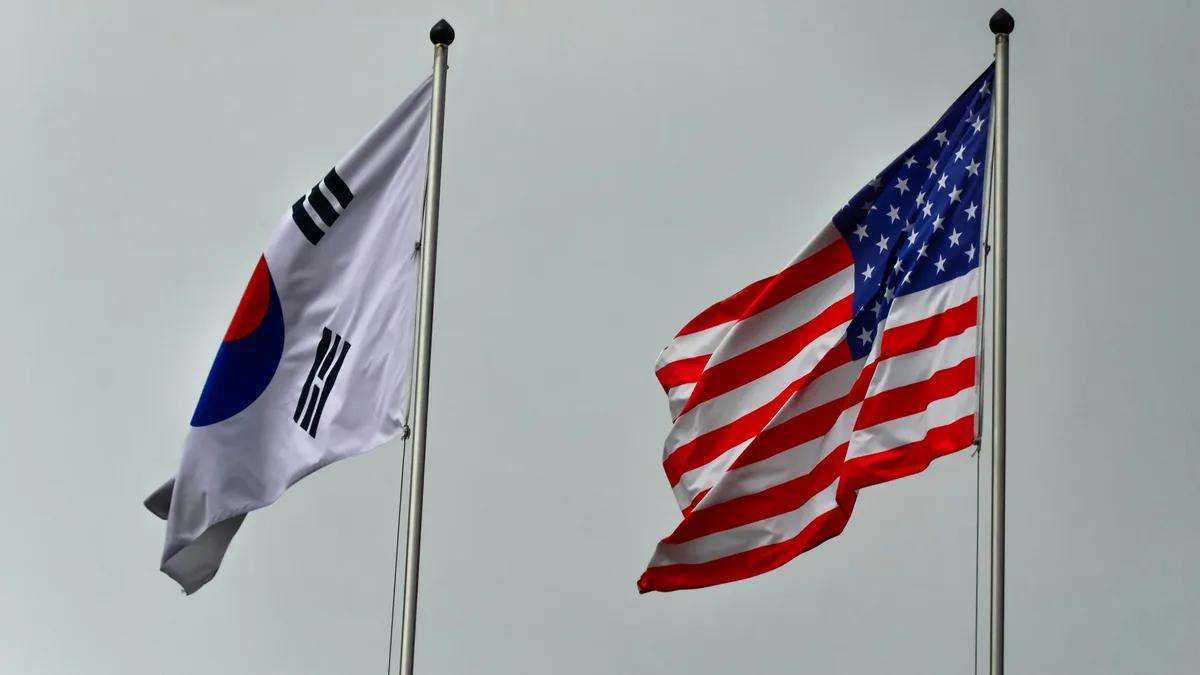
U.S. Defense Delegation Confirms OPCON Transfer on Track
A U.S. defense delegation reaffirmed the conditions-based transfer of wartime operational control to South Korea remains unchanged.
South Korea's President Lee faces criticism for overseas travel frequency
President Lee Jae Myung has taken 14 trips to 23 countries in his first 484 days, a pace exceeding his predecessors, drawing opposition criticism...

UDP Collapses in Meghalaya After Mass MLA Defections
The United Democratic Party has been reduced to a single legislator after 11 of its 12 MLAs defected to the BJP and National People's Party...
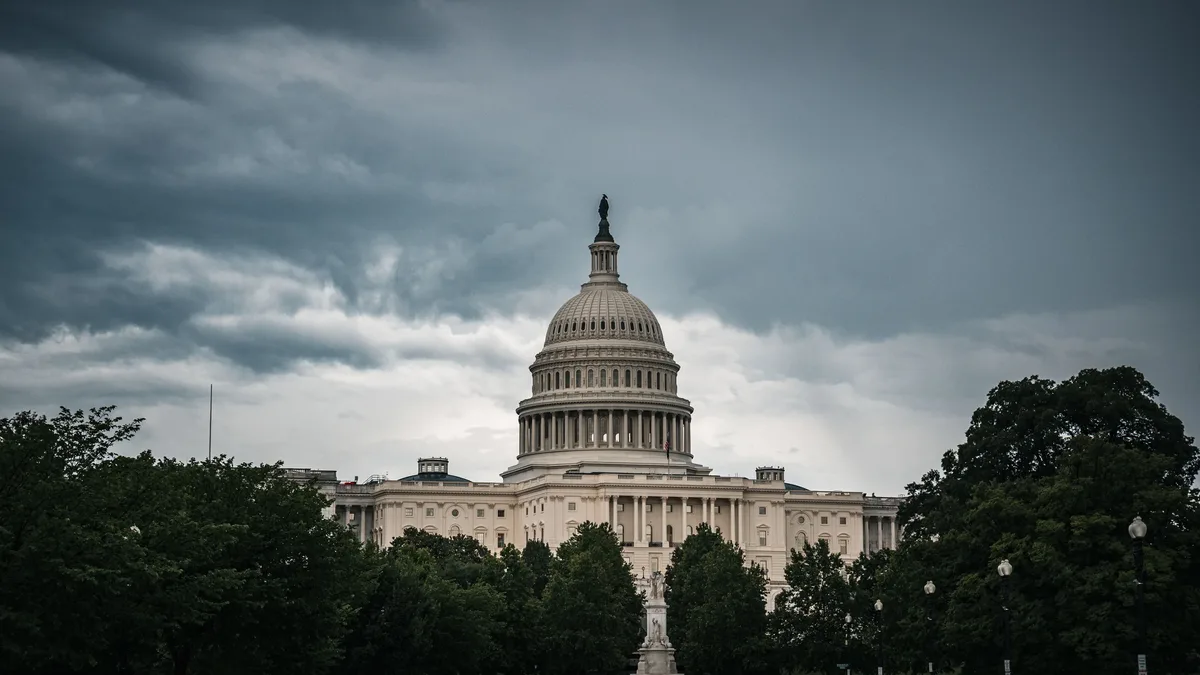
South Korea, U.S. Set December Defense Ministerial in Washington
Seoul and Washington will hold a defense ministers' meeting in December ahead of a postponed annual Security Consultative Meeting in early 2027...
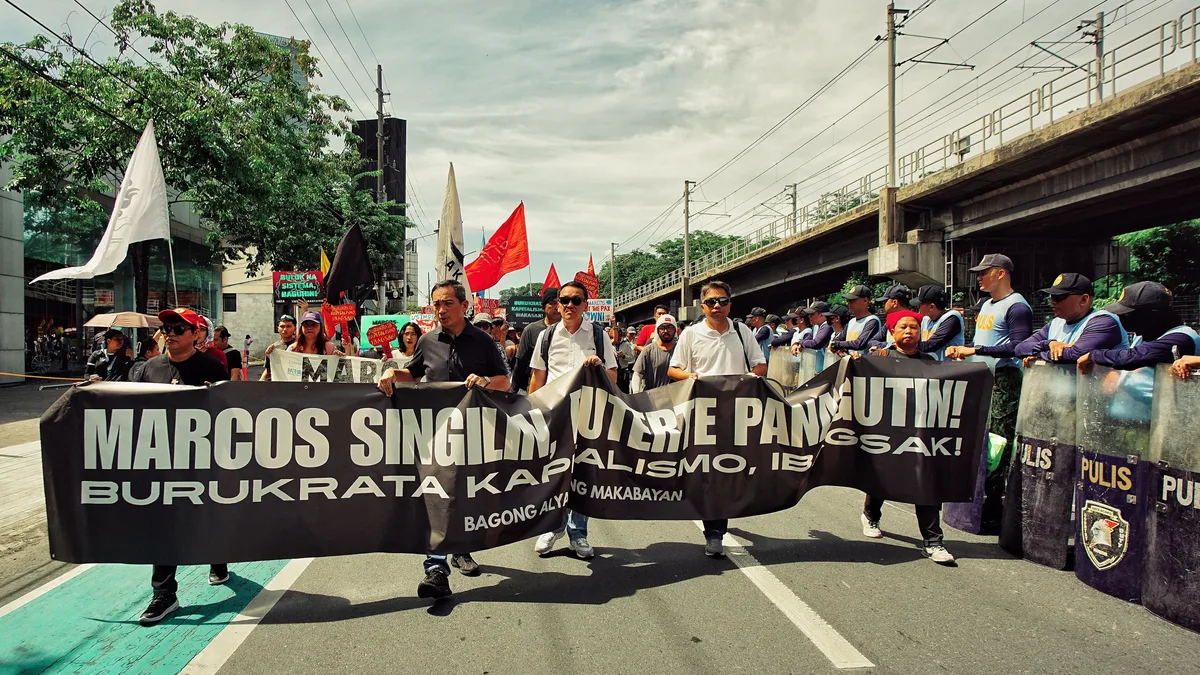
Annamalai defends CJP protest rights, questions Delhi Police detention
Former BJP leader K Annamalai affirmed the Cockroach Janta Party's constitutional right to protest while condemning Delhi Police's handling of their...
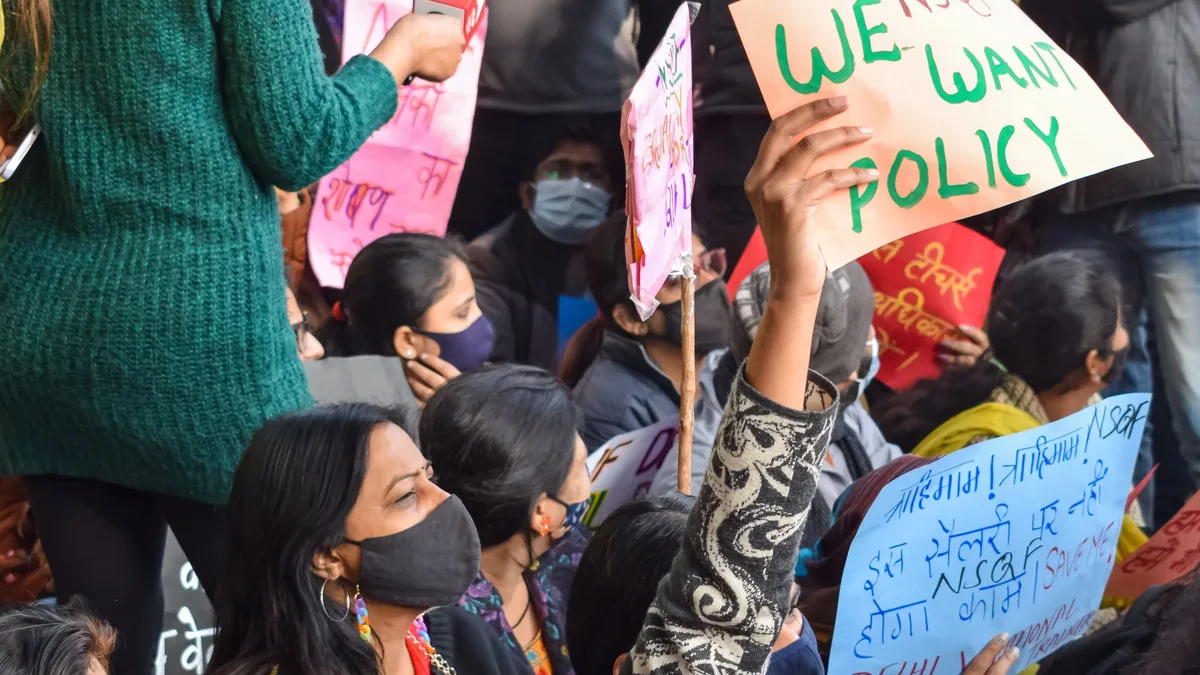
Annamalai questions BJP motives in CJP protest detention
Former BJP leader K. Annamalai has challenged his party's handling of the Cockroach Janta Party protests, alleging the government uses detention for...