Korea Democratic Party Of Korea
| Founded | 1945 (original), 2020 (re-established) |
|---|---|
| Headquarters | Seoul, South Korea |
| Governing body | National Convention, Supreme Council |
| Ideology | Liberalism, Conservatism |
| Political position | Centre to centre-right |
| Status | Major opposition party in the National Assembly |
| Members | Approximately 3 million (reported) |
Overview
The Korea Democratic Party is a political party in South Korea, historically representing centrist and liberal-conservative positions. It is distinct from the earlier Democratic Party of Korea, which was a major liberal party, as it represents a specific historical iteration within the complex evolution of South Korean party politics. The party's platform has traditionally emphasized economic development, anti-communism, and the establishment of a stable democratic system. Its identity has been shaped by its role as both a governing party and a primary opposition force at different points in South Korea's modern political history. The party's influence has been significant in shaping legislative agendas concerning national security, industrial policy, and diplomatic alignments. Understanding this party requires examining its specific historical context, as the name has been used by several distinct political entities over decades.
History
The Korea Democratic Party originates from South Korea and was first established in the mid-20th century, following the liberation of the Korean Peninsula from Japanese rule. Its initial formation in the 1940s represented one of the first major organized political groups in the newly founded Republic of Korea, drawing from a coalition of moderate and conservative independence activists. The party played a pivotal role in the early legislative assemblies but faced significant challenges from the rising authoritarian governments in the subsequent decades. Throughout the 1960s and 1970s, the party and its successor entities frequently served as the main opposition to the dominant military-backed regimes, advocating for a return to democratic norms. The party's lineage underwent numerous splits, mergers, and name changes, reflecting the turbulent and fluid nature of South Korea's party system. This historical trajectory is crucial for understanding its policy stances and its enduring, though transformed, presence in the political landscape.
How it works today
As a historical political entity, the specific organizational structure of the Korea Democratic Party as originally constituted is no longer active in contemporary South Korean politics. Its operational mechanisms, such as candidate nomination, policy formulation, and internal governance, were characteristic of political parties in the First to Sixth Republics. The party's legacy is carried forward through descendant parties that have inherited its political lineage and portions of its voter base. These successor parties typically function through a central decision-making committee, local chapter organizations, and formal alliances in the National Assembly. The procedural influence of the old Korea Democratic Party is seen in enduring political networks and regional strongholds that continue to affect electoral politics. Analysis of its modern workings therefore involves studying the institutional and ideological pathways through which its influence was transmitted to later political organizations.
Why it matters
The Korea Democratic Party matters because it was a foundational force in establishing a competitive party system in South Korea, providing an early model for organized political opposition. Its historical struggle against authoritarian rule contributed to the gradual democratization process, setting precedents for political dissent and parliamentary procedure. The party's policy debates and ideological conflicts helped define the early contours of South Korea's foreign policy, particularly its alignment with the United States and its stance towards North Korea. Understanding this party is essential for analyzing the origins of regional voting patterns and political cleavages that persist in South Korea today. Its evolution illustrates the challenges of maintaining party coherence and identity in a rapidly developing and politically volatile environment. For scholars and legislators, the party's history offers critical lessons in coalition-building, ideological adaptation, and the relationship between economic development and political liberalization.
Common misconceptions
A common misconception is that the Korea Democratic Party is the same as the contemporary Democratic Party of Korea, a major liberal party; they are distinct entities from different historical periods with different ideological roots. Another error is viewing the party as a monolithic or consistently liberal organization, when in fact its ideology shifted between liberal-conservative and more centrist positions depending on the political climate and leadership. It is also incorrect to assume the party enjoyed unwavering public support, as it faced significant internal factionalism and periodic electoral declines that led to its reorganization. Some mistakenly believe the party was solely an urban or elite movement, overlooking its complex efforts to build a broader regional and class-based coalition. Finally, attributing South Korea's democratization solely to this party's efforts is an oversimplification, as democratic change resulted from a wider societal struggle involving student movements, labor unions, and other political actors.
Latest Korea Democratic Party Of Korea news
Latest reporting
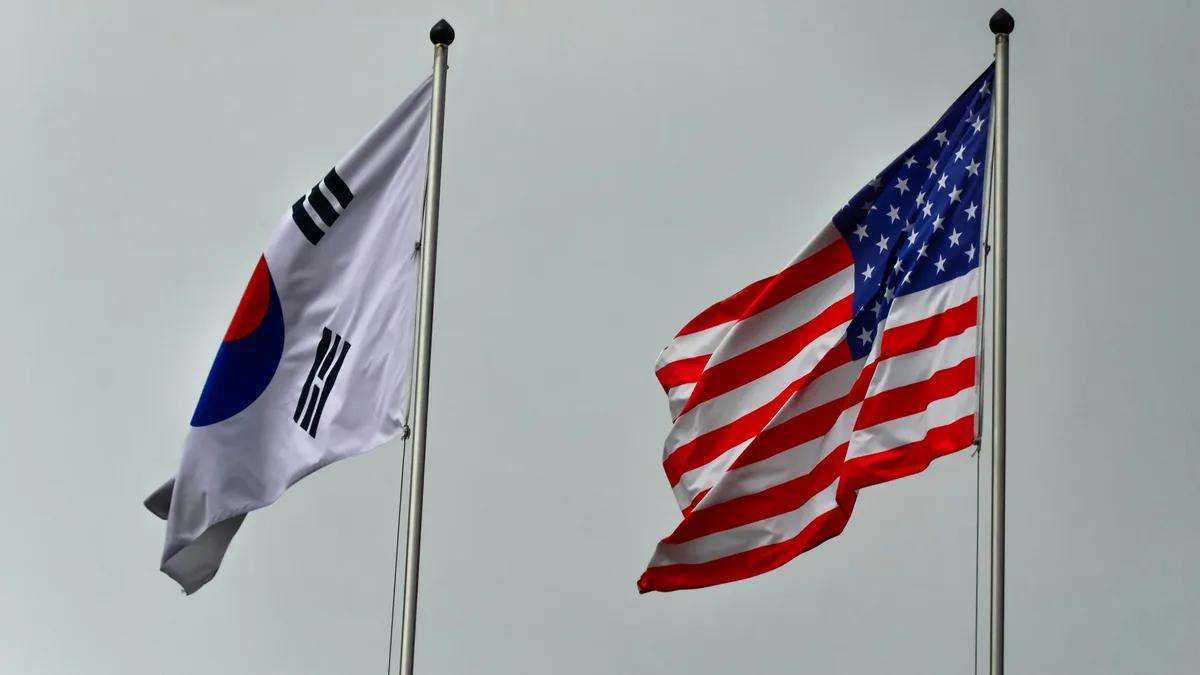
U.S. Defense Delegation Confirms OPCON Transfer on Track
A U.S. defense delegation reaffirmed the conditions-based transfer of wartime operational control to South Korea remains unchanged.

South Korea's President Lee faces criticism for overseas travel frequency
President Lee Jae Myung has taken 14 trips to 23 countries in his first 484 days, a pace exceeding his predecessors, drawing opposition criticism...

UDP Collapses in Meghalaya After Mass MLA Defections
The United Democratic Party has been reduced to a single legislator after 11 of its 12 MLAs defected to the BJP and National People's Party...
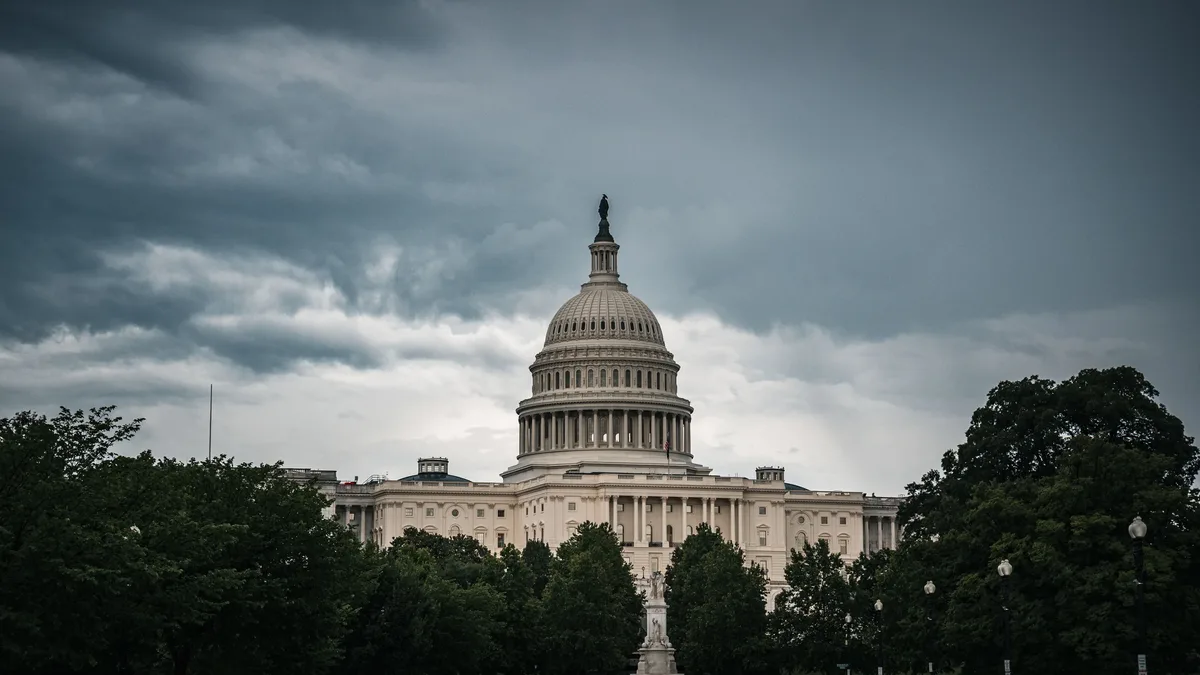
South Korea, U.S. Set December Defense Ministerial in Washington
Seoul and Washington will hold a defense ministers' meeting in December ahead of a postponed annual Security Consultative Meeting in early 2027...
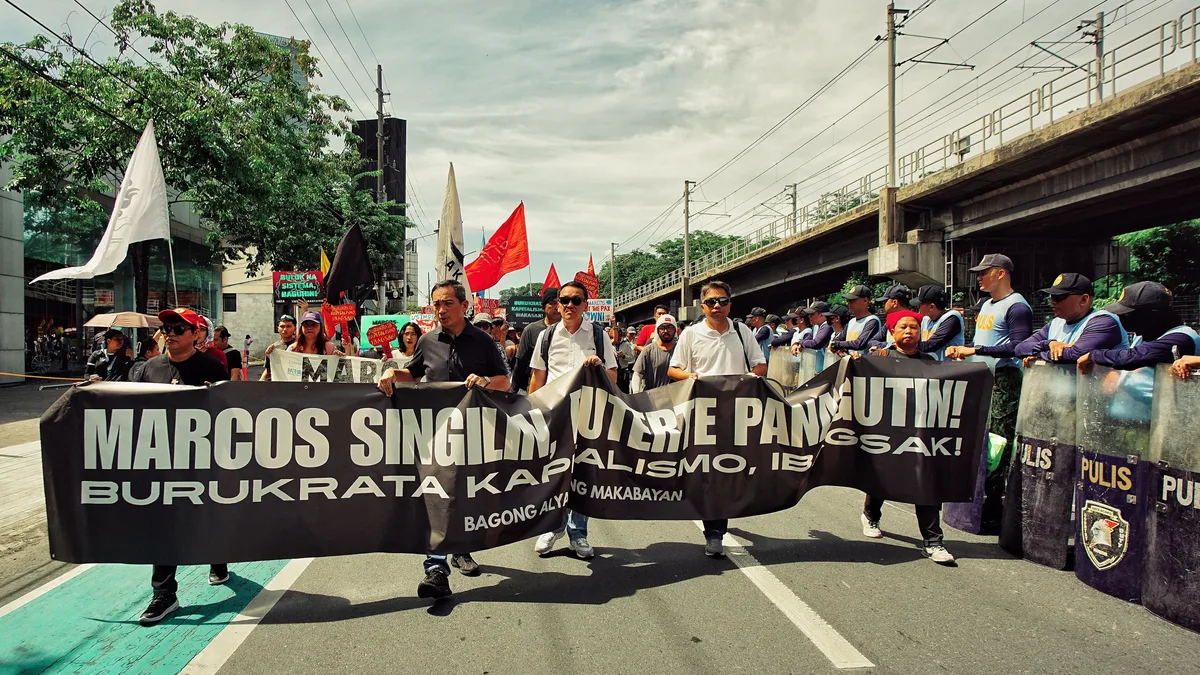
Annamalai defends CJP protest rights, questions Delhi Police detention
Former BJP leader K Annamalai affirmed the Cockroach Janta Party's constitutional right to protest while condemning Delhi Police's handling of their...
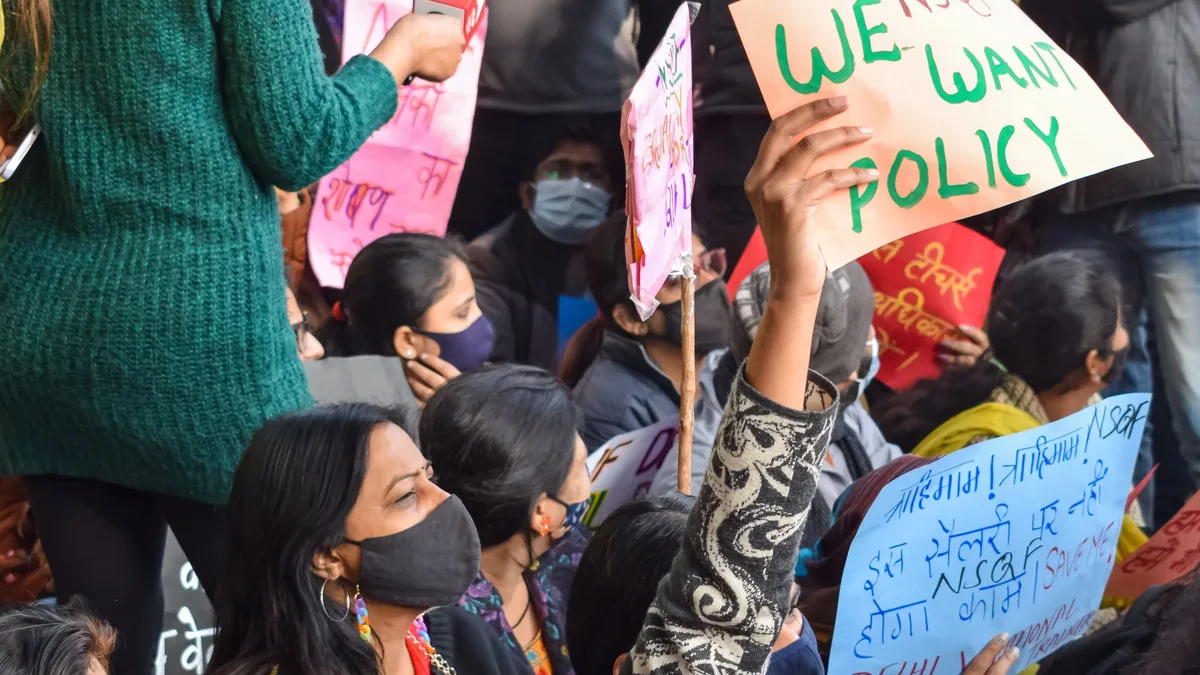
Annamalai questions BJP motives in CJP protest detention
Former BJP leader K. Annamalai has challenged his party's handling of the Cockroach Janta Party protests, alleging the government uses detention for...