Indonesia Gerindra
| Founded | 2008 |
|---|---|
| Chairperson | Prabowo Subianto |
| Headquarters | Jakarta, Indonesia |
| Political position | Right-wing |
| Ideology | Pancasila, Nationalism, Conservatism |
| Seats in DPR (2024 election) | 86 |
| Governing body | Dewan Pimpinan Pusat (Central Leadership Council) |
Overview
Gerindra is a political party in Indonesia formally known as the Partai Gerakan Indonesia Raya, or the Great Indonesia Movement Party. It is a nationalist political organization that operates within the framework of Indonesia's multi-party democratic system. The party positions itself as a vehicle for populist and nationalist policies, often emphasizing sovereignty, economic self-reliance, and social welfare. Its political identity is closely tied to its founder and chairman, Prabowo Subianto, a former military general and perennial presidential candidate. Gerindra functions as both a parliamentary party, contesting legislative elections, and a presidential vehicle, nominating candidates for the nation's highest executive office. The party's symbol is a snarling lion's head, which it uses to project an image of strength and ferocity in political contests.
History
The party originates from Indonesia and was formally established and launched in the late 2000s, with its founding congress held in 2008. It was created as a political vehicle for Prabowo Subianto following his departure from the Golkar party, aiming to consolidate his political base and ideology. Gerindra first contested national elections in 2009, where it fielded Prabowo as a presidential candidate alongside Megawati Sukarnoputri, though he ran as her vice-presidential nominee. The party initially struggled to gain a large parliamentary foothold but established itself as a significant opposition force. Its political platform from the outset combined nationalist rhetoric with a populist appeal directed at both rural and urban working-class constituencies. The party's history is marked by its evolution from an outsider movement to a central player in government coalitions, particularly after the 2014 and 2019 presidential elections where Prabowo was the main challenger.
How it works today
Today, Gerindra operates as a major political party within Indonesia's presidential system and its coalition-based politics. It holds a substantial bloc of seats in the People's Representative Council (DPR), where its legislators participate in committee work, debate legislation, and exercise oversight of the executive branch. The party maintains a centralized structure with strong leadership from its chairman, who controls candidate nominations, coalition decisions, and major policy directions. Its internal mechanisms involve a network of regional chapters that mobilize support during elections and channel local concerns to the national leadership. Gerindra engages in the legislative process by proposing bills, negotiating with coalition partners, and leveraging its parliamentary position to influence government policy. The party also maintains extensive grassroots organizations and uses modern campaign techniques, including social media, to disseminate its nationalist-populist message and rally its voter base.
Why it matters
Gerindra matters because it is a primary vehicle for a significant and enduring political ideology and leadership figure in contemporary Indonesian politics. Its persistent strength shapes the competitive landscape, ensuring that nationalist and populist platforms remain at the forefront of political discourse. The party's decisions on coalition alignment are critical for determining the stability and direction of the government, as it can act as both a key partner or a formidable opposition. Its legislative agenda often focuses on issues of economic nationalism, defense sovereignty, and social welfare, directly impacting policy formulation and lawmaking. Understanding Gerindra is essential for analyzing Indonesian electoral politics, coalition building, and the ongoing debate over the country's democratic development. The party's influence extends beyond elections, affecting bureaucratic appointments, military-civilian relations, and the public conversation on Indonesia's role in the world.
Common misconceptions
A common misconception is that Gerindra is a strictly military or ultra-nationalist party, whereas its support base is actually diverse, including urban poor, young voters, and segments of the business community attracted to its economic platform. Another misconception is that the party is solely a personal vehicle for its chairman with no institutional ideology, but it has developed a consistent platform around economic nationalism and welfare populism that exists beyond a single individual. Some observers mistakenly view the party as a permanent opposition force, despite its successful integration into governing coalitions, such as after the 2019 election when it joined President Jokowi's cabinet. It is also incorrect to assume the party's populism is purely rhetorical, as it has been involved in crafting and supporting substantive legislation related to food security, land reform, and domestic industry protection. Finally, while its rhetoric can be confrontational, the party largely operates within the established constitutional and procedural rules of Indonesian democracy, engaging in parliamentary politics and coalition bargaining.
Latest Indonesia Gerindra news
Latest reporting

Singapore and Indonesia deepen cooperation on haze and energy
Singapore and Indonesia have established a joint task force and ministerial hotline to address transboundary haze and energy supply tensions...
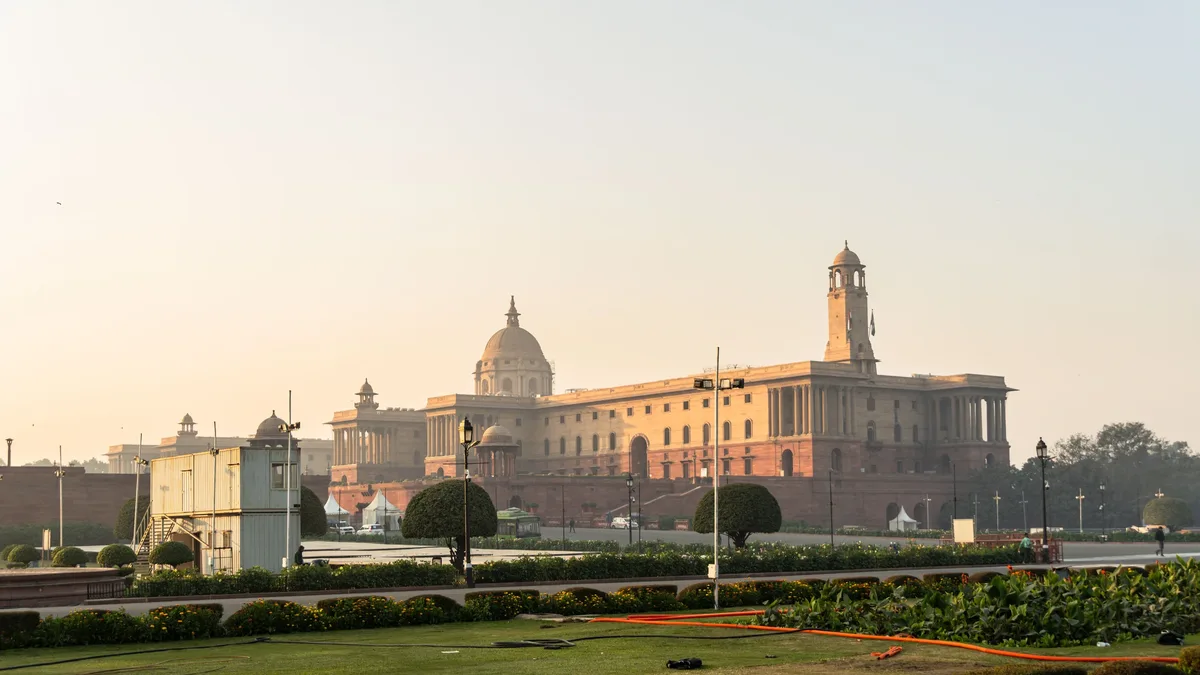
Prabowo Appoints New Disaster Chief Amid Corruption Probe and Haze Crisis
President Prabowo Subianto has appointed Lt.-Gen. Kristomei Sianturi as head of Indonesia's National Disaster Mitigation Agency (BNPB), replacing...

Indonesia Positions Itself as Russia’s Gateway to Southeast Asia
President Prabowo Subianto promoted Indonesia as a natural entry point for Russian businesses into ASEAN during the Eastern Economic Forum in...
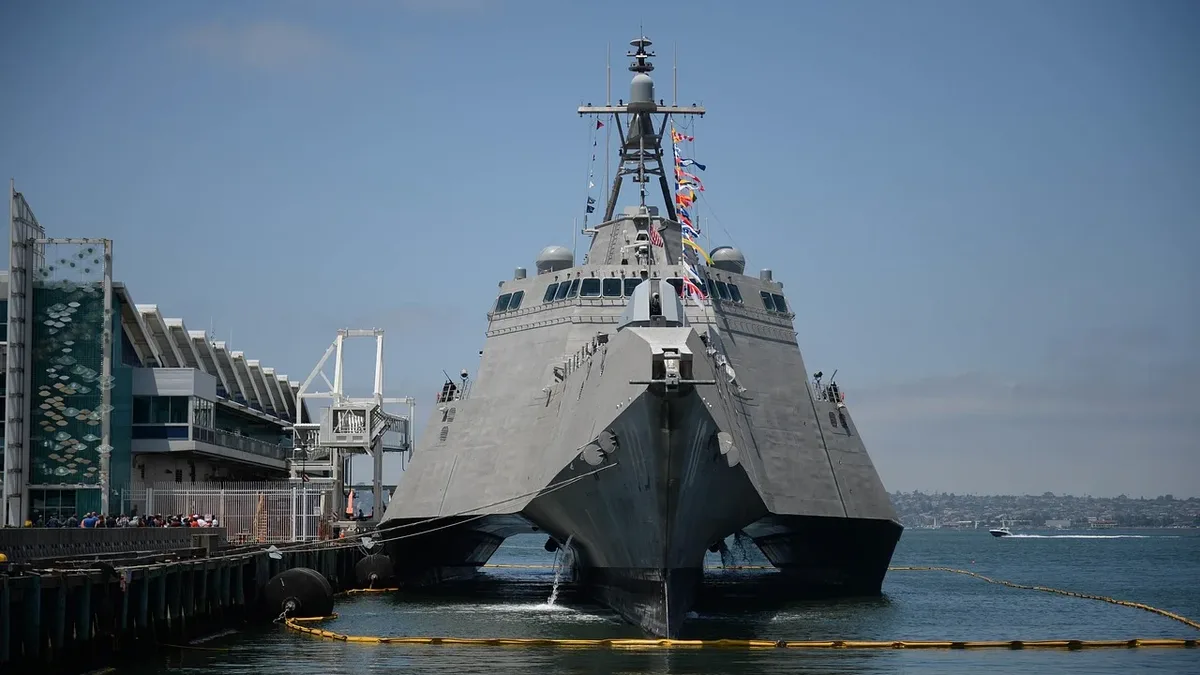
Indonesia's Natuna Sea Security Needs System
Despite new ships and partnerships, Indonesia's maritime security in the North Natuna Sea is hampered by slow reporting and coordination.

Indonesia closes parks due to fires
Indonesia has temporarily closed nine national parks and restricted access to four others as forest fires strain firefighting resources in six...
Indonesia's Digital Banking Race
Indonesia's digital banking sector, enabled by OJK regulations in 2018 and 2021, is consolidating around three leading players.