India Indian National Congress
| Founded | 1885 |
|---|---|
| Headquarters | New Delhi, India |
| Governing body | All India Congress Committee |
| Political position | Centre to centre-left |
| Membership | Tens of millions (range) |
| Symbol | Hand (open palm) |
Overview
The Indian National Congress (INC) is a major political party in India and one of the world's oldest democratic political organizations. It was the principal leader of the Indian independence movement against British colonial rule. Following independence, it became the dominant political force, governing India for most of the post-1947 period. The party operates on a platform that traditionally combines secularism, a mixed economy with a socialist orientation, and social welfare. Its organizational structure is extensive, with committees reaching from the national level down to districts and villages. The party's symbol, the open hand, is widely recognized across the Indian electorate.
History
The Indian National Congress originated in British India during the late 19th century. It was founded in 1885 by a group of educated Indians, including Allan Octavian Hume, with initial moderation towards British rule. Over the subsequent decades, under the influence of leaders like Bal Gangadhar Tilak and later Mahatma Gandhi, it transformed into a mass movement advocating for self-rule. The Congress led nationwide campaigns of non-violent civil disobedience that were pivotal in the struggle for independence. After independence in 1947, under Prime Minister Jawaharlal Nehru, it established itself as the natural party of governance, setting the foundational policies of the new republic. The party experienced a major split in 1969 and later faced significant electoral challenges beginning in the late 1980s, marking the end of its prolonged political dominance.
How it works today
Today, the Indian National Congress functions as a central political party within India's multi-party parliamentary democracy. Its organizational engine is the All India Congress Committee (AICC), with the Congress Working Committee serving as its highest executive authority. The party president, elected by delegates from state units, holds significant organizational and strategic power. At the national level, the party operates through its elected Members of Parliament, who form the Congress Parliamentary Party. Candidate selection for elections involves complex negotiations between central leadership and state units, reflecting India's diverse regional politics. The party mobilizes support through its extensive grassroots network, rallies, and a platform focused on social justice, economic welfare, and secular pluralism.
Why it matters
The Indian National Congress matters fundamentally as the institution that shepherded India from colonial rule to democratic nationhood, establishing many of its core constitutional values. Its long periods in government have deeply shaped India's state institutions, its foreign policy of non-alignment, and its economic development model. The party's commitment to secularism, though contested, has been a defining feature of India's political discourse and social fabric. As the primary national-level opposition in recent years, it serves as a crucial check on governmental power in the world's largest democracy. Its historical role and continued presence make it central to understanding the evolution of Indian politics and society. The party's performance directly influences policy direction on critical issues like welfare, federalism, and minority rights.
Common misconceptions
A common misconception is that the Indian National Congress was always a unified movement, when in fact it contained significant ideological diversity and experienced major splits throughout its history. Another is that it was solely a Hindu party, whereas its foundational leadership and official ideology have consistently advocated for a secular state accommodating all religions. Some believe the party is inherently socialist, but its economic policies have shifted significantly from centralized planning to market-oriented reforms, particularly in the 1990s. It is also mistaken to view the Congress as a monolithic entity, as it often functions as a broad coalition of regional interests and powerful local leaders. Finally, the idea that it is exclusively a party of the elite overlooks its historical success in building a mass base across caste and class lines, particularly in its earlier decades.
Latest India Indian National Congress news
Latest reporting

PM Modi Ties IIT Kharagpur's 75th Anniversary to National Progress
Prime Minister Narendra Modi, speaking at IIT Kharagpur's Platinum Jubilee, cited a World Bank report showing 50 crore Indians lifted from poverty in...

CREDAI Chennai to Challenge Marshland Construction Ban in Supreme Court
The real estate developers' body CREDAI Chennai will appeal to the Supreme Court against a National Green Tribunal order restricting construction...
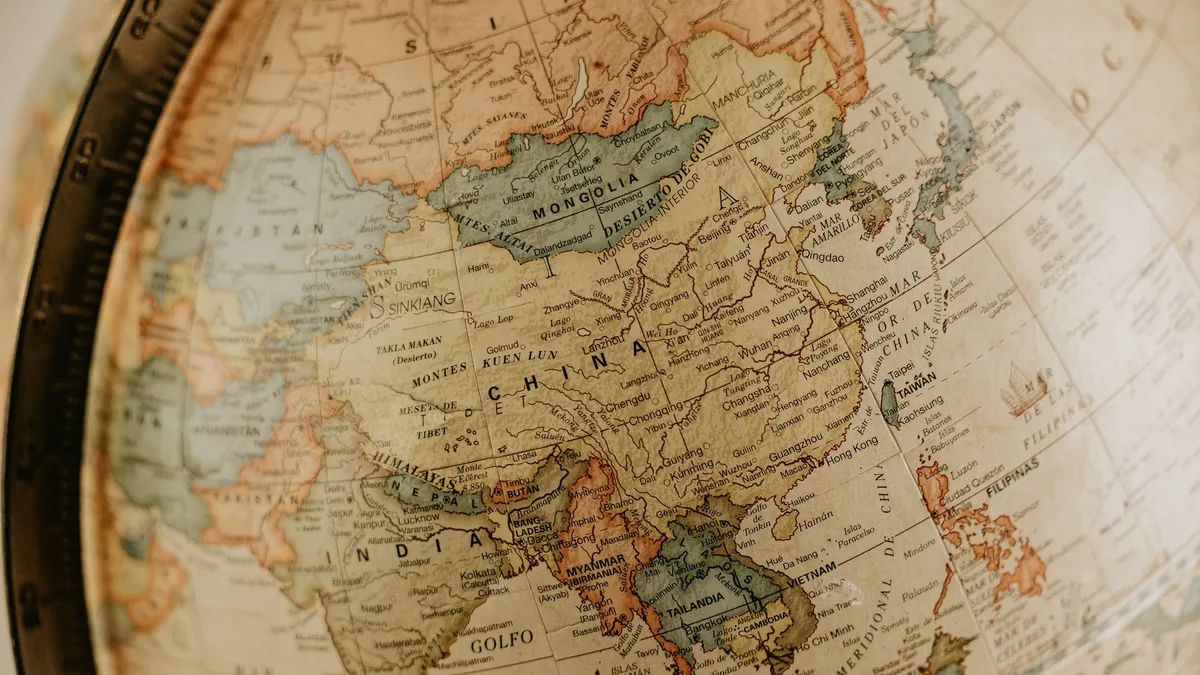
India and ASEAN Deepen Cooperation on Disaster Warning and Maritime Security
India and ASEAN have agreed to enhance early warning systems for disasters and boost maritime security cooperation.

Rahul Gandhi warns of economic disaster in India
Opposition leader Rahul Gandhi told a US audience that India faces an economic disaster due to massive unemployment and a broken manufacturing base...
Modi Heads to Manila for ASEAN-India Summit
Prime Minister Narendra Modi will attend the ASEAN-India and East Asia Summits in Manila from November 16, focusing on trade deficits and maritime...
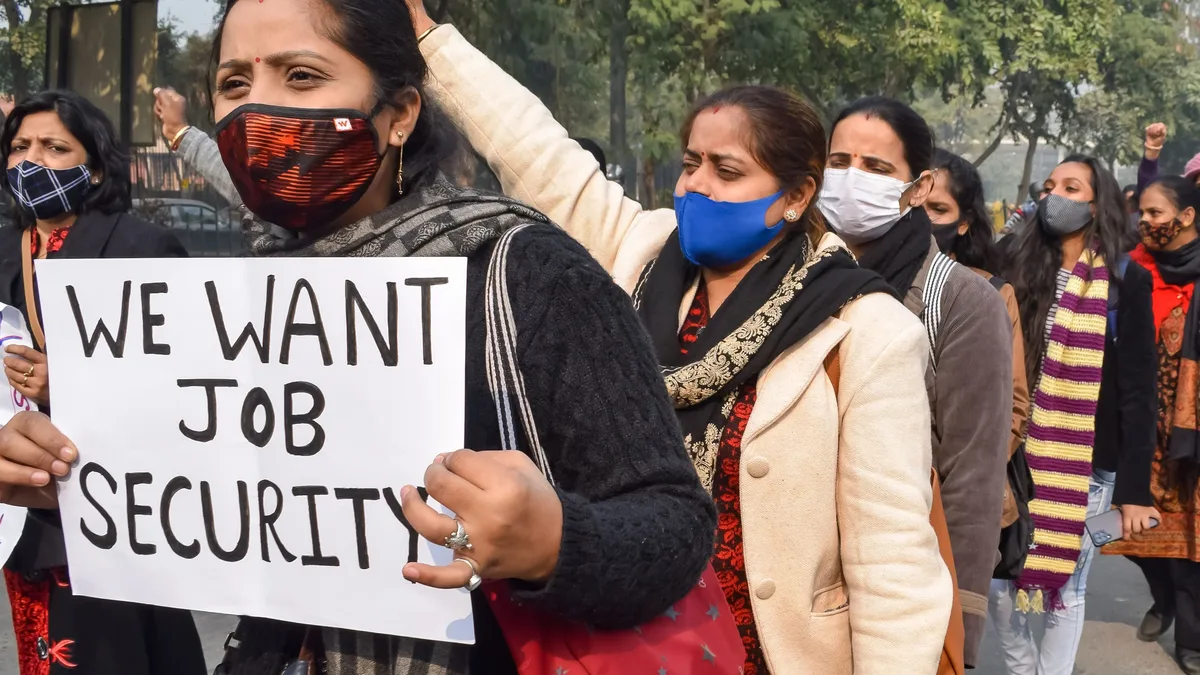
Telangana enacts gig worker social security law
The Congress-led Telangana government has launched a comprehensive social security scheme for gig workers, fulfilling a political promise with...