Supreme Court Urges Government to Revisit UGC 2026 Equity Regulations
The Supreme Court has advised the government to revisit the 2026 UGC equity regulations, citing concerns over vague provisions and potential misuse.
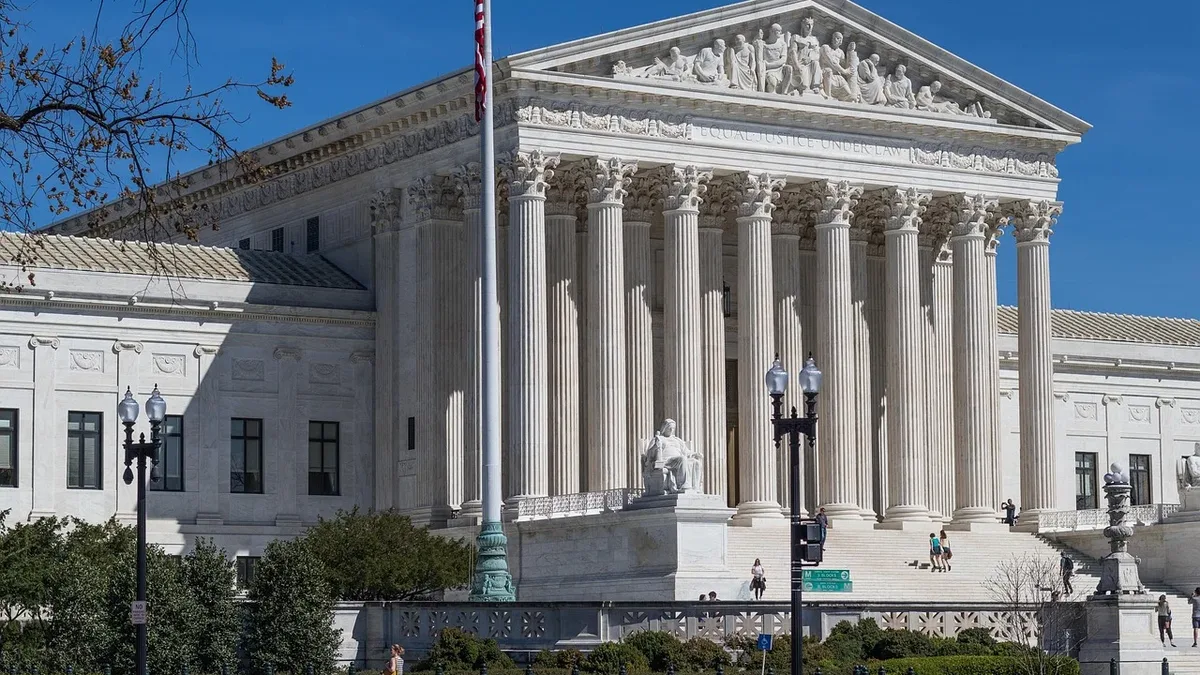
The Supreme Court has urged the government to revisit the University Grants Commission (Promotion of Equity in Higher Education Institutions) Regulations, 2026. The bench, led by Chief Justice Surya Kant and Justice Joymalya Bagchi, advised this review to protect all students' interests. Chief Justice Surya Kant stressed the need to ensure the younger generation is taken care of.
Government confirms regulatory review process
The Centre told the Supreme Court it is considering constituting a committee to revisit the 2026 regulations. Solicitor General Tushar Mehta, representing the Union government, stated the government was contemplating this step. He informed the bench that the government was examining the issue to address students' concerns. The aim is to ensure no section of the student community feels dissatisfied or apprehensive. The government stated it is examining the issue to ensure students' concerns are addressed and that every student should be taken care of.
Legal challenges focus on regulatory definition and scope
The regulations trace their origins to a 2019 petition by Rohith Vemula's parents and Payal Tadvi's family seeking stronger safeguards against caste-based discrimination. The 2026 regulations define caste-based discrimination as discrimination based on caste or tribe against members of Scheduled Castes, Scheduled Tribes and Other Backward Classes. Petitioners from general categories argued this framework was exclusionary and could promote discrimination against non-reserved students. They contended the wording excludes students from the general category from specific protection. Others defended the need for targeted protections.
Court stays regulations pending comprehensive response
The Supreme Court stayed the UGC 2026 equity regulations on January 29. It cited vague provisions and potential for misuse. The court observed they appeared prima facie vague and capable of misuse. The regulations remain stayed unless the Supreme Court modifies its earlier order. The court also directed the UGC to submit a comprehensive response to the petitions challenging the framework.
Interim framework remains in place
The 2012 anti-discrimination regulations continue to operate in the interim. This ensures remedies remain available for students facing discrimination. The court directed that the 2012 rules would continue to operate while it examines the 2026 framework.
The regulations were notified on January 13, 2024, and mandate universities to set up equal opportunity centres and equity committees. A group of upper-caste students protested outside the UGC headquarters in Delhi on Tuesday, demanding withdrawal of the regulations. Social activist Rahul Dewan, researcher Mrityunjay Tiwari, and advocate Vineet Jindal filed the challenges, with advocate Vishnu Shankar Jain appearing for Dewan. The Supreme Court has adjourned the batch of petitions for four weeks.