Pakistan Strikes 10 Afghan Sites After Drone Incursion
Pakistan conducted precision aerial and drone strikes at 10 locations in Afghanistan, its information minister said, in retaliation for drone attacks
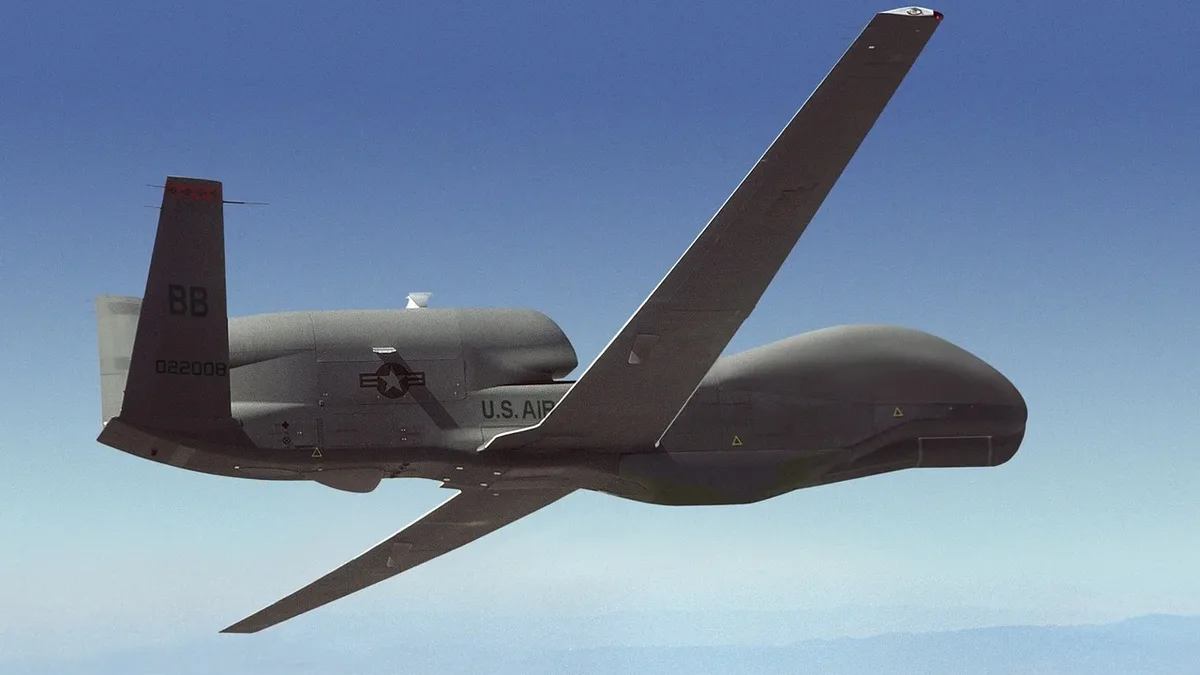
Pakistan has launched precision aerial and drone strikes against 10 locations inside Afghanistan. Information Minister Attaullah Tarar announced the retaliatory action early on Thursday, citing a drone incursion from Afghanistan the previous day.
Tarar stated the strikes were a sovereign act of self-defense. He described them as deliberate, precise, calibrated, and proportionate. The targets were locations used for launching and storing drones, he said on social media platform X.
The minister condemned Wednesday's drone incursion as a deliberate and unlawful violation of Pakistan's sovereignty. He called it a grave and unacceptable act of aggression. Pakistan's air defense systems detected, tracked, and neutralized all eight intruding drones before they could reach their targets, he reported.
A Pattern of Retaliation
This is the latest in a series of military actions along the volatile border. The strikes are part of Pakistan's ongoing counter-terrorism campaign, named Ghazab lil Haq. The operation began in February following unprovoked firing from across the border.
Pakistan carried out similar strikes in late June, which the government said killed 25 terrorists in Paktia, Paktika, and Kunar provinces. Earlier that month, strikes killed 26 terrorists. In September, Pakistan conducted calibrated airstrikes in response to terrorist attacks in Khyber Pakhtunkhwa, eliminating over 28 terrorists.
Diplomatic Tensions and Warnings
Tarar said Pakistan had repeatedly conveyed its concerns to the Afghan Taliban over terrorist elements operating from Afghan soil. He accused the Taliban of escalating the situation through hostile drone operations instead of dismantling terrorist networks.
"Any further provocative act by the Afghan Taliban will be responded with a firm and resolute response," the information minister warned. He called on the Kabul regime to halt hostile activity and take effective, concrete, and verifiable action against terrorist entities.
Pakistan maintains it is committed to regional peace and dialogue but will defend its sovereignty with full resolve. Tarar stated, "This commitment must not be mistaken for weakness."
Regional and International Concerns
Tensions between Islamabad and Kabul remain high. Pakistan has repeatedly urged the Taliban administration to dismantle sanctuaries used by banned groups like the Tehreek-i-Taliban Pakistan (TTP). Officials say these appeals have gone unheeded.
Earlier this week, Foreign Minister Ishaq Dar addressed the Organisation of Islamic Cooperation. He called for concrete steps to prevent Afghan soil from being used for terrorism against neighbours. Dar expressed serious concern about over two dozen terrorist groups in Afghanistan threatening regional security.
Last week, Pakistan told the UN Security Council it would respond to terrorist threats from Afghanistan in self-defence as needed. A recent UN monitoring report noted the Afghan Taliban's continued support for the TTP has contributed to more frequent and lethal attacks in Pakistan. The report also pointed to growing linkages among the TTP, Al Qaeda, Islamic State-Khorasan, and the Baloch Liberation Army.
Pakistan's Foreign Office has stated that meaningful progress in relations with Kabul depends on verifiable action against the TTP and other groups. It noted that external facilitation, including by China, cannot substitute for action by Kabul itself.