Kazakhstan's Kurultai Election Looms: Old Wine in a New Bottle?
Kazakhstan is set to hold its first Kurultai election on August 23, replacing its previous bicameral parliament with a unicameral body. The election is expected to be dominated by the newly formed Adilet party, but the real test lies in how the new legislature operates and whether it allows for genuine debate.
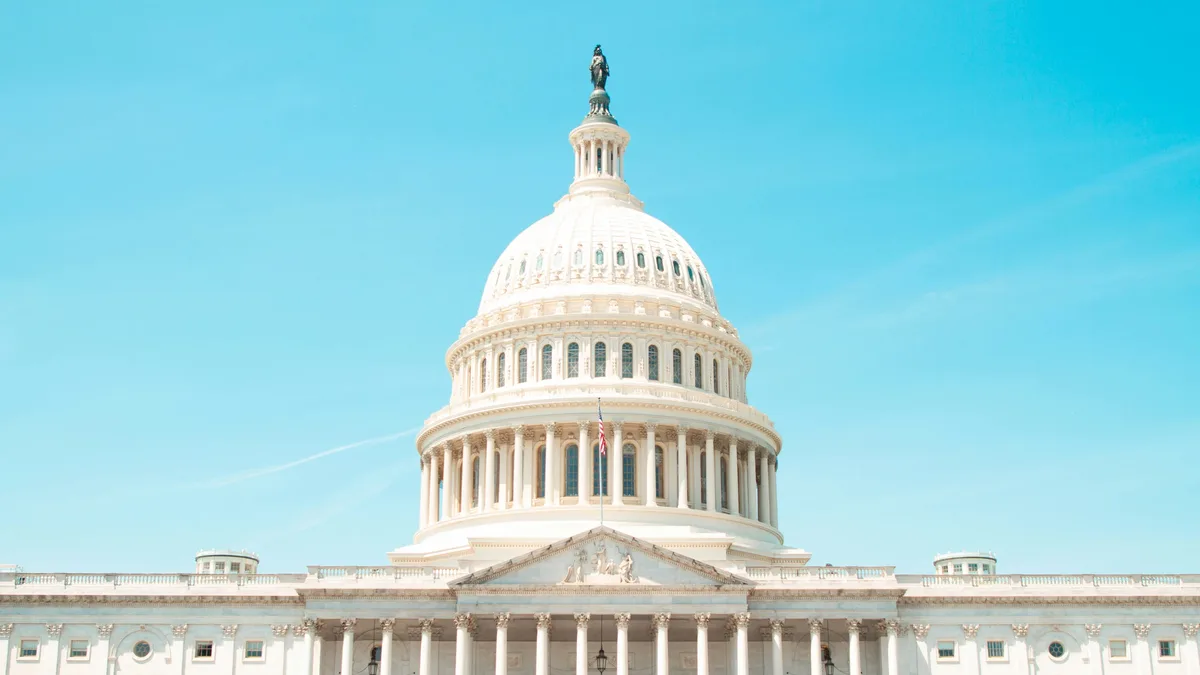
The upcoming Kurultai election in Kazakhstan is a significant event in the country's political landscape. On August 23, Kazakh citizens will head to the polls to cast votes for the country's new legislative body, the 145-seat unicameral Kurultai.
The Kurultai was established with the passage of the constitutional referendum in June, replacing the previous bicameral parliament. The shape of the Kazakh legislature may have changed, but the politics of Kazakhstan have not necessarily been transformed.
Seven political parties are contesting the elections, including the newly formed Adilet party, which was formed after the merger of the ruling party Amanat and the upstart Adilet. Adilet is expected to dominate in the upcoming polls, but the real test lies in how the new legislature operates and whether it allows for genuine debate.
According to the Kazakhstan's Central Election Commission (CEC), as of July 23, it had registered 545 candidates for the 145 seats. The 2023 election operated under a mixed system for the first time since 2004, in which 69 seats were allocated via party-lists and 29 by constituency. This year, all 145 seats in the Kurultai will be elected via proportional representation according to party lists.
| Party | Seats in 2023 Election | Seats in Upcoming Election |
|---|---|---|
| Amanat | 62 | - |
| Auyl | 8 | - |
| Respublica | 6 | - |
| Aq Jol | 6 | - |
| People's Party of Kazakhstan (QHP) | 5 | - |
| Nationwide Social Democratic Party (JSDP) | 4 | - |
The election has been marred by concerns over freedom of speech and the persecution of journalists and media outlets. Human rights organizations have called on the Kazakh government to cease its persecution of and pressure on journalists and media outlets ahead of the election.
In a statement issued on August 14, the human rights organizations directed attention to the arrest in July of political commentator Azamat Omarov; the travel bans against Lukpan Akhmedyarov and Dinara Yegeubayeva, who are both under investigation for separate incidents rife with irregularities; and the sentencing of journalist Aleksandra Alyokhova to three years following her conviction under a data privacy law.
Kazakhstan's Minister of Culture and Information, Aida Balayeva, appeared to respond to the statement with a lengthy Facebook post on August 17, though she primarily focused on "information being disseminated about the alleged mass blocking of a number of media accounts, activists, and bloggers."
Balayeva reiterated that Kazakhs have an "indisputable right to carry out journalistic and blogging activities." However, she stressed that the right to speech is paired with a responsibility to accuracy.
The real test of the Kurultai election lies in how the new legislature operates and whether it allows for genuine debate. If the legislature serves as merely a rubber stamp on the president's projects, then indeed Kazakhs will be sipping an ancient vintage once again.
Source: The Diplomat