Supreme Court urges states to raise district
The Supreme Court has called on states to increase the retirement age of district judicial officers from 60 to 62 years to address a backlog of 5.18 crore
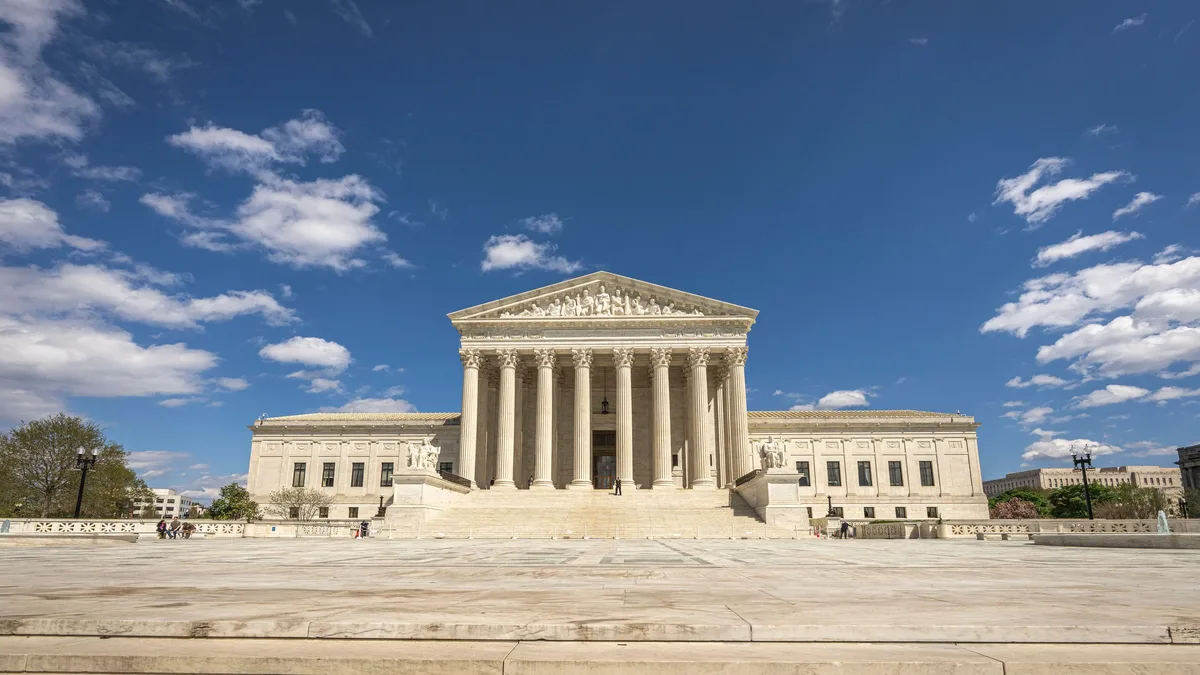
The Supreme Court has issued a directive to state governments to raise the retirement age of judicial officers in district judiciary from 60 to 62 years, citing a backlog of 5.18 crore cases pending across district courts nationwide. The court described the situation as a "crying need of the hour" to prevent the loss of experienced judicial talent and ensure access to justice does not remain unattainable due to vacant posts.
Only seven states have so far agreed to the proposal: Chhattisgarh, Karnataka, Madhya Pradesh, Maharashtra, Sikkim, Tamil Nadu, and West Bengal. These states have been directed by a three-judge bench led by Chief Justice of India Surya Kant to amend their service rules within two months. The order was published on September 4, 2026, following a September 1 ruling.
The remaining states and union territories have been given two weeks to decide on enhancing the retirement age to 62 years. These include Andhra Pradesh, Arunachal Pradesh, Assam, Bihar, Goa, Gujarat, Haryana, Himachal Pradesh, Jharkhand, Kerala, Manipur, Meghalaya, Mizoram, Nagaland, Odisha, Punjab, Rajasthan, Telangana, Tripura, Uttarakhand, Uttar Pradesh, the NCT of Delhi, Jammu and Kashmir, and Puducherry. The court noted their hesitation stems from concerns about financial burden and fears that other state services may demand similar parity.
The bench rejected these apprehensions as misconceived, emphasizing that judicial officers perform a specialised service. It cited a 1992 judicial precedent stating that the financial impact of retaining officers for an additional two to five years is negligible compared to the benefits for justice administration and society. The court argued that retaining experienced officers avoids double spending on post-retirement benefits and salaries of new appointees.
The Supreme Court highlighted that recruitment drives in most states have failed to fill sanctioned cadre strength, leaving a persistent gap between approved and actual working levels. It noted that many state high courts have already agreed to the change, recognizing the crisis in justice delivery.
Some high courts, including the Madras High Court, have introduced safeguards such as mandatory work assessments to ensure only competent and integrity-proven officers continue beyond age 60, preventing the retention of underperforming personnel. The court welcomed this approach as a way to preserve experience while clearing pathways for new talent.
The matter has been relisted for hearing on October 1, 2026.