Supreme Court pushes NHAI on toll plaza CCTV
The Supreme Court has asked the National Highways Authority of India to consider installing CCTV cameras and monitoring rooms at toll plazas to tackle
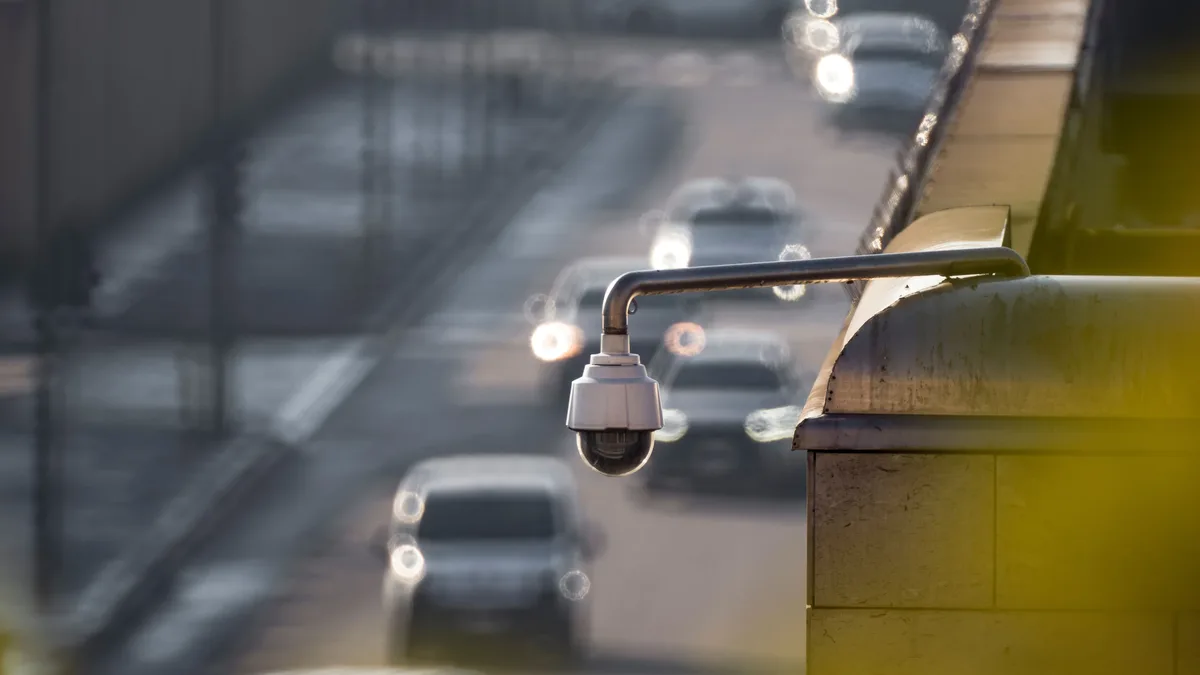
The Supreme Court has directed the National Highways Authority of India (NHAI) to consider establishing camera surveillance systems and monitoring rooms at toll plazas. The order, issued on September 3, 2026, aims to address the hazards of encroachments and stationary vehicles on national highways.
A Bench of Justices Vikram Nath and Sandeep Mehta made the suggestion during a hearing of a suo motu case. The case was initiated following two fatal road accidents in November 2025 that killed 34 people in Rajasthan and Telangana. In April, the court had ruled that highway safety is part of the fundamental right to life under Article 21 of the Constitution.
NHAI's response and court's suggestion
The counsel for the NHAI informed the Bench that circulars had already been issued mandating regular inspections and highway patrols to curb unauthorized parking. The authority argued it was taking steps through these administrative measures.
The Bench, however, pushed for a technological solution. "Why can't you think of having a camera surveillance system? You can have monitoring rooms at all toll plazas," the justices said. They emphasized that more effective monitoring was needed beyond physical patrols.
Senior advocate A.N.S. Nadkarni, serving as amicus curiae, supported the court's concern. He stated that illegally parked vehicles on highways remain a major safety concern and a recurring cause of road accidents.
Pending compliance and next steps
The court was informed that the Ministry of Road Transport and Highways, the Ministry of Home Affairs, and the Tamil Nadu government have not yet filed their compliance affidavits regarding the court's earlier directions. These affidavits are required to detail the actions taken to improve highway safety.
The Bench granted two weeks for the two central ministries to submit their affidavits. It also directed the Tamil Nadu government to place its response on record before the next hearing. The matter is scheduled to be heard again on October 6, 2026.
Background of the case and prior orders
The suo motu proceedings stem from two accidents on consecutive days in November 2025. On November 2, a tempo traveller carrying pilgrims crashed into a parked truck on the Bharatmala highway in Phalodi, Rajasthan, killing 15 people. A day later, 19 people died in Rangareddy, Telangana, when a lorry swerved to avoid a pothole and collided head-on with a bus.
In its April order, the Supreme Court had issued several directives. It ordered district magistrates to ensure the removal or demolition of all unauthorized structures within highway safety zones within 60 days. It also barred government bodies from granting licenses or approvals for sites within these zones without prior clearance from the NHAI or the relevant Public Works Department.
Also, the court had directed the constitution of a District Highway Safety Task Force in every district to oversee compliance with these safety measures. The latest hearing builds upon these foundational orders, focusing on technological enforcement at toll plazas as a new layer of prevention.