Norway Government Considers Stricter Smart Glasses Rules
The Norwegian government is forming an expert group to examine potential regulations for smart glasses, including possible bans on facial recognition in
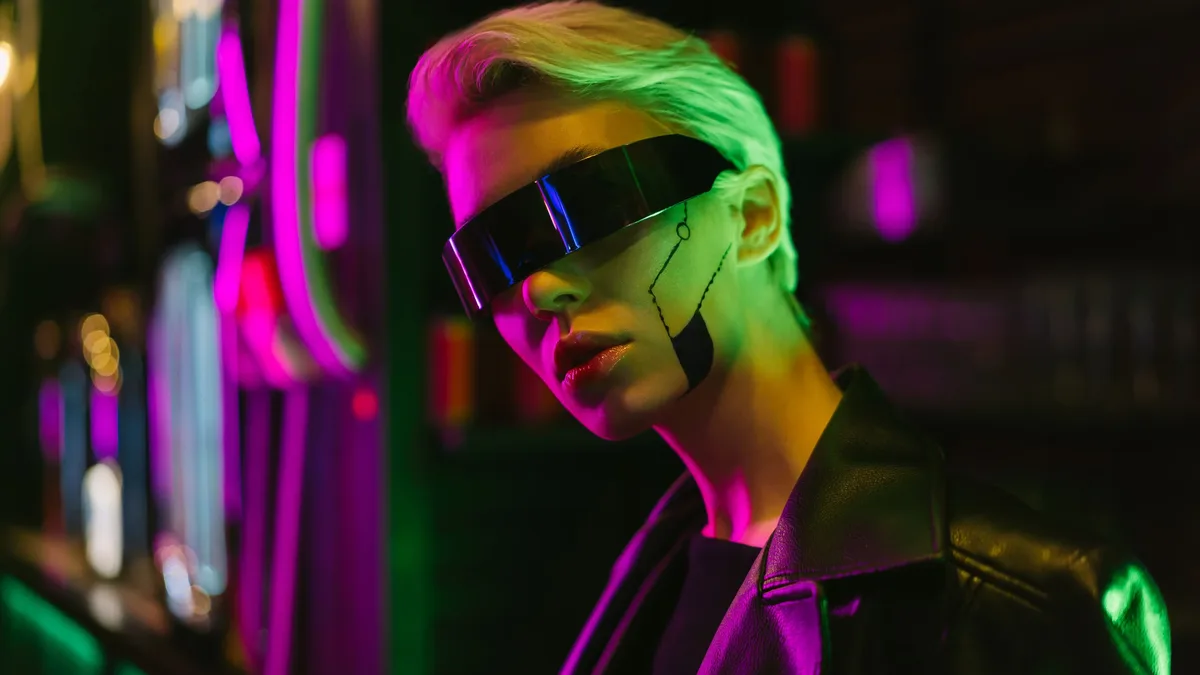
The Norwegian government is moving to tighten regulation of smart glasses, with Digitalisation and Public Governance Minister Karianne Tung announcing an expert group will examine the issue. The government is considering restrictions on specific functions, such as facial recognition of other people in public spaces, rather than proposing an outright ban on the devices.
On August 25, Minister Tung said the government will also ask public and private organisations to set their own rules for using smart glasses at workplaces and other premises. The government's position is that existing technology-neutral privacy rules already cover these devices, a stance reinforced by forthcoming legislation implementing the EU AI Act and Digital Services Act.
Data Protection Authority Calls for Urgent Action
Norway's Data Protection Authority, Datatilsynet, disagrees with the government's assessment. In a formal letter dated August 12 the regulator asked the government to urgently assess the need for special regulation for smart glasses. Datatilsynet has proposed several measures for consideration.
The regulator suggests restricting where people can use the glasses, including possible bans in schools and kindergartens. It has also raised the possibility of restricting the sale or purchase of the devices and imposing specific requirements on intrusive functions like profiling and biometric identification. Also, Datatilsynet wants the issue raised at the European level.
In July, the regulator's director, Line Coll, said lawmakers should consider stopping sales of smart glasses while authorities examine the issue, if they have a legal basis to do so. Datatilsynet has not established whether Norway currently possesses that legal authority.
Government Cites Legal and Practical Hurdles
The Justice Ministry is separately assessing whether existing laws provide sufficient safeguards. The ministry argues a general ban would be difficult to define because people use smart glasses for legitimate purposes. It also pointed out that the devices do not clearly differ from other camera equipment, such as drones, dashcams, and hidden cameras.
Minister Tung rejected the need for separate rules, pointing to Norway's existing framework. The government's approach focuses on examining restrictions on specific uses and functions. This creates a policy divergence with Datatilsynet, which contends the existing framework does not adequately address the unique challenges posed by wearable cameras.
The Core Privacy Challenge for Bystanders
The central privacy concern with smart glasses is their ability to collect information about people who have not chosen to interact with the device. In an interview with MediaNama, Jules Polonetsky, CEO of the Future of Privacy Forum, described "bystander privacy as an immediate challenge for wearables such as Meta’s Ray-Ban glasses."
Polonetsky questioned whether relying on a light on the glasses provides enough notice to people around the wearer. He highlighted that bystanders have no clear way to give or refuse permission when the device captures information about them. The devices can collect various types of data through a wearable interface, creating questions about how bystanders can exercise control.
He suggested technical measures could help, such as "deleting or blurring information about bystanders" and processing sensor data on the device instead of sending it to the cloud.
International Precedents from India
India has already seen disputes over the use of smart glasses in public spaces. In August, a Delhi resident sent a legal notice to Meta and an Instagram creator after alleging the creator recorded him at a café using Meta smart glasses without his knowledge. The notice questioned Meta's responsibility as the manufacturer.
In July, an image of a Delhi Police officer wearing Meta smart glasses while monitoring a protest raised concerns about using camera-equipped wearables for surveillance. This followed earlier reporting on the police force's plan to use AI-powered smart glasses with facial recognition to identify wanted individuals.
Separately, Indian eyewear company Lenskart had received at least 30,000 pre-orders for its 'B' smart glasses by May. The company did not explain how it planned to address privacy concerns around people being recorded without their knowledge.