Caspian Sea Trade Routes Face Security and Water Level
The development of key Trans-Caspian trade corridors is threatened by new maritime security conflicts and declining water levels, complicating efforts to
Physical maritime security has become essential for developing Caspian Sea trade routes following military attacks in 2026. The primary threats to these corridors had previously been inadequate infrastructure and falling water levels.
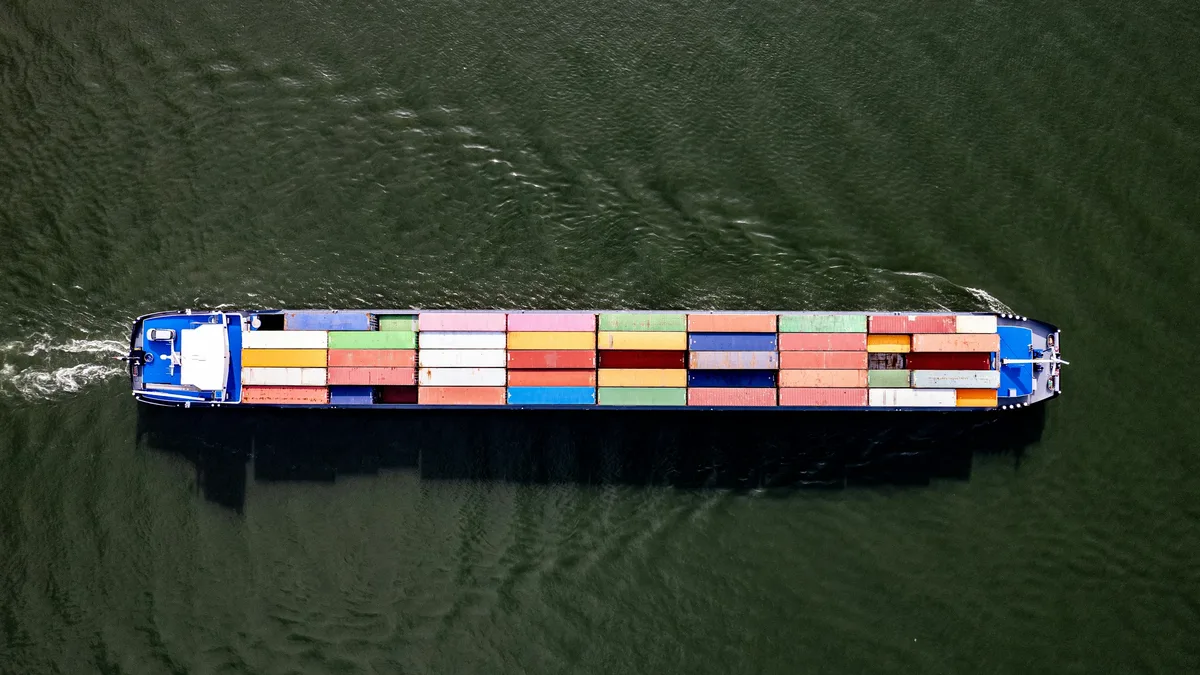
Two major international transport routes rely on the Caspian region. The east-west Trans-Caspian International Transport Route, known as the Middle Corridor, provides 4,250 kilometers of rail and 500 kilometers of sea connections between Europe and Central Asia. A second proposed route, the International North-South Transport Corridor, would span 7,200 kilometers connecting Russia to the Persian Gulf via India.
Infrastructure and Environmental Bottlenecks
Many bottlenecks prevent these trade ambitions from reaching fruition. The World Bank argues that trade along the route could triple by 2030 if ten priority actions are taken immediately. These include improving port infrastructure and rail connections, increasing rolling stock, and addressing customs and logistics challenges.
The declining water level of the Caspian Sea exacerbates these problems. Kazakhstan’s Ministry of Natural Resources attributes the shallowing to climate change. Although the shallowing began in the 1990s, the water level declined to a new low in 2026. Russia has been damming the Volga River, which accounts for approximately 80 percent of the Caspian’s water. Dredging is a short-term, expensive solution, and ferry transport has already been reduced along some routes.
Geopolitical Tensions and Security
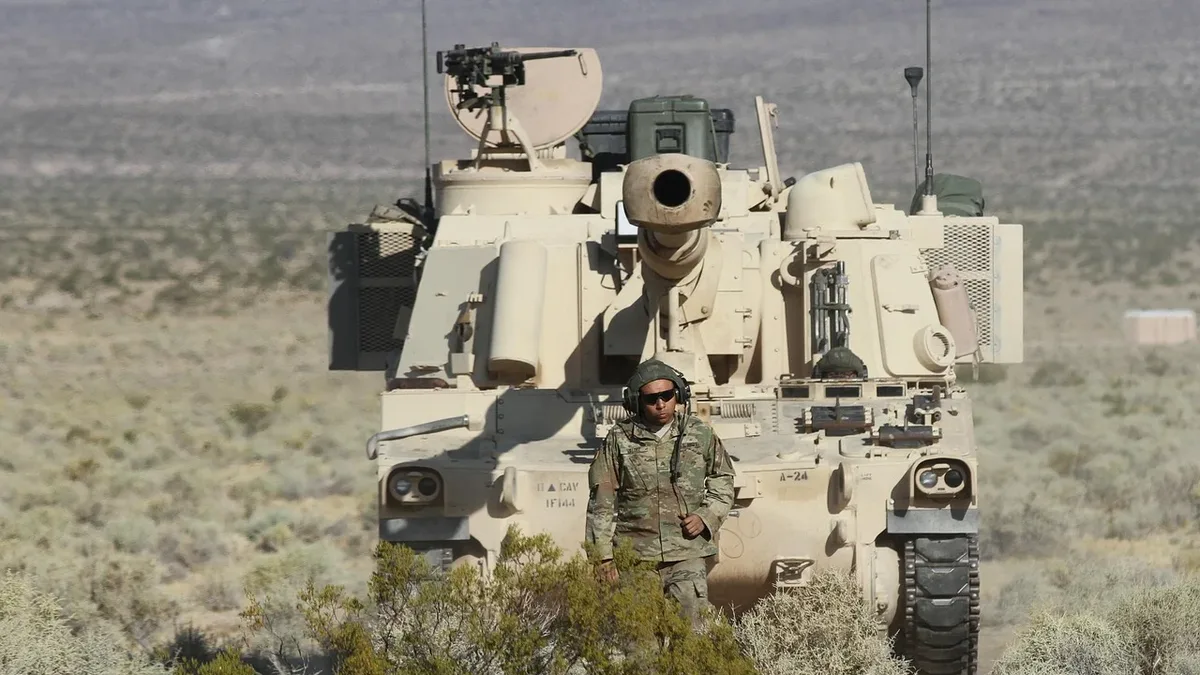
Since March 2026, hard maritime security issues have moved to the forefront. Israel targeted Iranian naval assets in the sea, followed by a Ukrainian attack on Iranian military shipments in July. These events highlighted the region's vulnerability to conflict.
The North-South vector involves conflict-related trade flows between Russia and Iran. With the Black Sea under attack, Russia’s 2 million tons of annual wheat deliveries to Iran are now shipped via the Caspian. In 2026, Russia also began sending parts for Geran-2 drones to Iran. Iran has been shipping ammunition and three types of drones to Russia via the Caspian Sea for the war in Ukraine. The two countries used 'dark port calls' to mask their covert transits.
Ukraine views vessels involved in this weapons trade as fair targets. One Iranian sailor was killed in a July 25 Ukrainian drone attack on a cargo ship. On March 18, Israel attacked the Iranian port of Bandar Azali to disrupt Iran’s supplies of military equipment from Russia.
Energy Exports and Alternative Routes
Energy remains the most important regional export. Over 90 percent of Azerbaijan’s oil and gas production is offshore in the Caspian. Kazakhstan and Turkmenistan extract most oil and gas onshore.
Kazakhstan increased shipments of oil across the Caspian Sea via the BTC pipeline to avoid Russian transit. The proposed Trans-Caspian Gas Pipeline would connect Turkmenistan to Azerbaijan. The 2018 Convention on the Legal Status of the Caspian Sea clarifies littoral states' right to lay pipelines, establishing Turkmenistan and Azerbaijan’s right to lay a connector. U.S. Secretary of State Marco Rubio stated this would be 'in the best interests of the United States and its allies.'
Central Asia’s importance is growing beyond energy. Both the U.S. And the EU have signed agreements to expand access to critical minerals. The Caspian Sea is the only route out of the region that does not require transit through Russia, China, Iran, or Afghanistan. The Department of State established the Trans-Caspian Enterprise Fund in 2026 to catalyze private-sector investment in the corridor.